USD 21,02
Popular
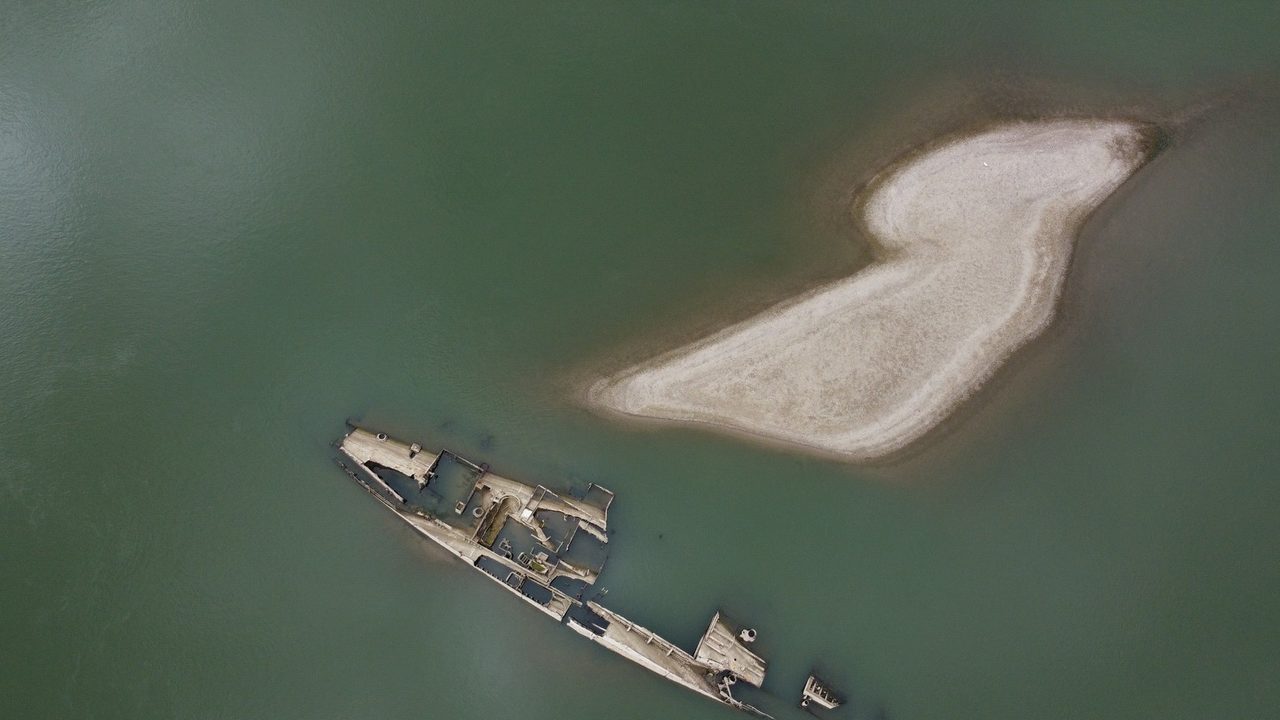
A prolonged drought and a sharp drop in water levels along the Danube have exposed the remains of a German wartime flotilla sunk during the Second World War. Dozens of submerged vessels have resurfaced — grim reminders of the past that are now also posing a serious threat to river navigation.
According to the European Investment Bank (EIB), the wrecks narrow the Danube's navigable channel from 180 metres to less than 90 metres, even when water levels are normal. This causes significant delays to cargo shipping, and Serbia's economy is estimated to lose around five million euros a year as a result.
To tackle the problem, the European Union has backed a project to raise 21 sunken ships that pose the greatest obstacle to navigation. The European Investment Bank is a key partner in the effort, having provided a grant of 16 million euros for the works. Two vessels were already salvaged back in the summer of 2024, and the EIB hopes to complete the project by 2028.
The bank warns that some of the wrecks may still contain unexploded ammunition. Because visibility in the river is poor, divers must inspect the ships by hand, and some smaller or badly damaged vessels may never be located at all.
Experts are weighing three options for dealing with the dangerous wrecks: cutting them apart underwater, raising them to the surface, or burying them deeper into the riverbed. The latter approach is planned for two particularly large and heavy ships that cannot be lifted whole — they will instead be pushed further into the bottom of the river to reduce the obstruction they cause.
In total, around 200 vessels were sunk near the Serbian port of Prahovo during the Second World War, including armed boats carrying ammunition, landing craft, transport ships and tugboats.
Read also: Prague metro: map and tickets
Source: novinky.cz