Aleš Svatoň: how Slovak developer Cresco is building Prague's new districts
USD 21,86
Popular
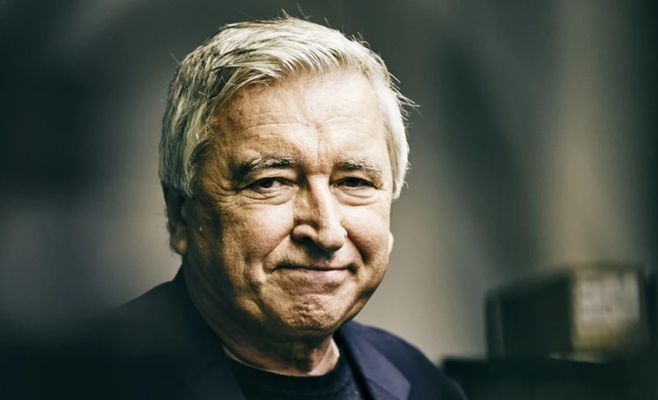
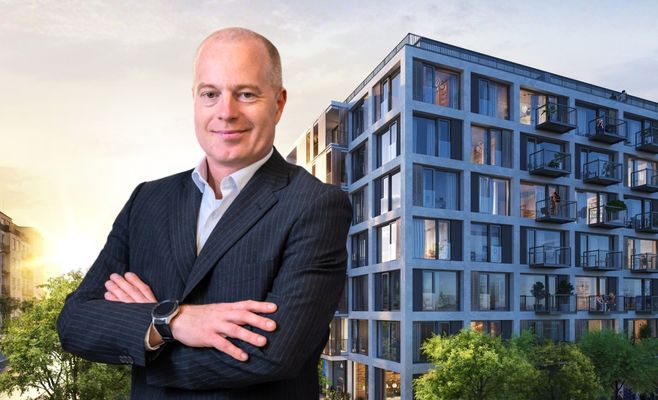
Slovak developer Cresco Real Estate, the largest builder in Bratislava, is expanding aggressively into Prague — and heading up its Czech operations is Aleš Svatoň, a manager with more than 25 years of experience in property development. The company is already building hundreds of apartments in Holešovice and has joined a large-scale project to transform the former freight station in Žižkov.
Cresco Real Estate was founded by Slovak entrepreneur Štefan Beleš, who made the company's name back home with projects such as the three seventy-metre residential towers III Veže — among the first high-rises in Slovakia — and the sprawling Slnečnice district in Bratislava, which will eventually comprise around 10,000 apartments. But the domestic market eventually became too small: according to Beleš, the Slovak market simply cannot "absorb" that volume of supply. Expanding into Prague was the logical next step — not least because of the lower VAT on residential construction in Czechia.
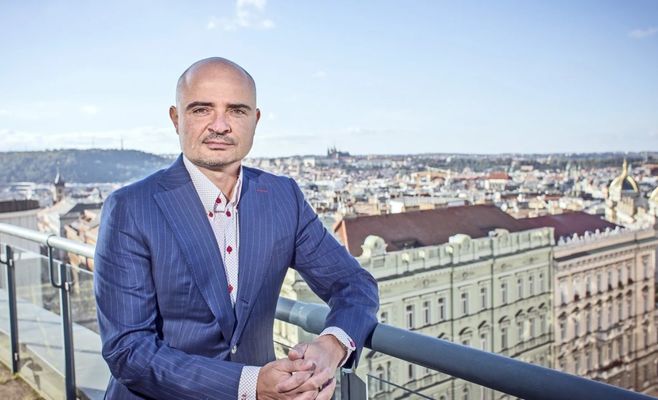
Beleš put Svatoň in charge of the Czech expansion — the only thing missing from his résumé was residential development experience, since he had previously worked on shopping centres, industrial real estate and energy projects across Czechia, Slovakia and Poland. In 2018, he took on the challenge of building Cresco's Czech division from scratch as a personal test.
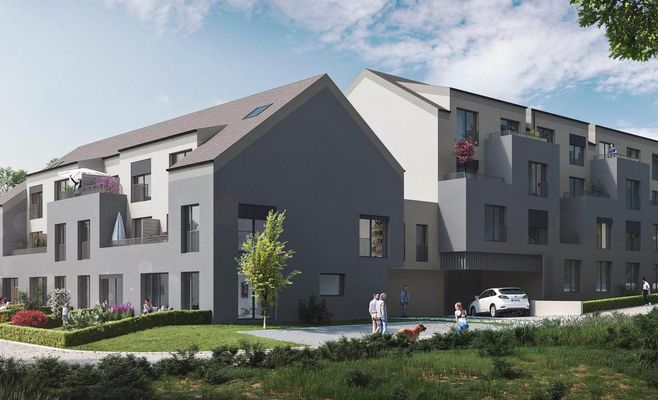
The first project was the purchase and renovation of a small office building called Metropolitan in Prague 7, but the focus soon shifted to residential real estate. Completed projects include the So-Ho Rezidence complex in Holešovice, comprising roughly five hundred apartments. This year, Cresco joined the redevelopment of the former freight station in Žižkov, taking over from Finep a project previously known as U Staré cihelny. Together with the investment group Wood & Company, the company is now preparing to build a new district there, Yards Žižkov, with more than 1,100 apartments.
Investment in the first phase of the project will total almost CZK 5 billion, with the second phase costing CZK 6.5 billion. Construction is scheduled for completion by 2028, with apartment prices starting at CZK 4.8 million. The district will gain a new square, a green boulevard, ground-floor retail space and a tram line, while the company's contribution to the Prague 3 municipal budget will amount to CZK 167 million — including funding for a new kindergarten.
While the first projects were financed by the Slovak parent company out of its own resources, the Czech division is now increasingly turning to bank financing. According to Svatoň, in terms of the value of apartments sold, the Prague office already reaches around three-quarters of its Slovak counterpart's results — with fewer units, but prices roughly a third higher. In 2025, the value of apartments handed over in Slovakia reached EUR 79 million, or nearly CZK 2 billion.
It also matters that a significant share of buyers in Cresco's Prague projects are Slovak investors who know the brand from back home. In Svatoň's view, the line between the Czech and Slovak real estate markets has today all but disappeared — much as it's hard to call companies like Corwin or Penta strictly "Czech" or "Slovak" anymore.
Although Prague remains the main target, Cresco is also eyeing regional cities, even though the economics of such projects are trickier — returns there run a third to a half lower, with comparable construction costs. The company follows a similar strategy in Slovakia, too, where it operates in cities beyond Bratislava.