Prague’s Industrial Palace in Holešovice after renovation: new plans
USD 21,76
Popular
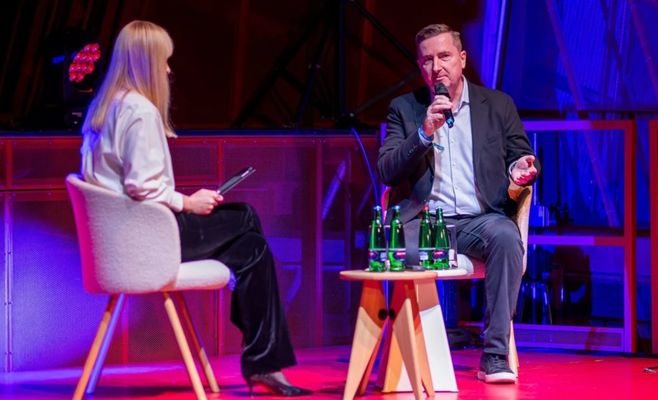
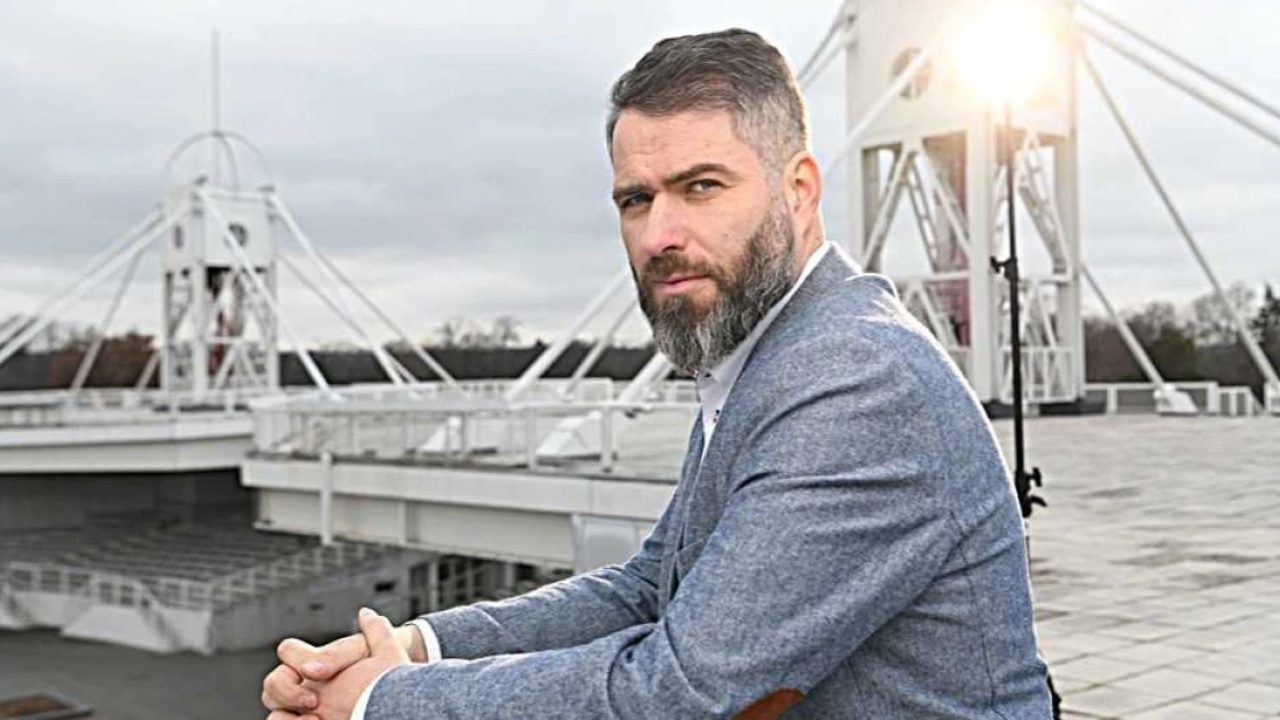
Výstaviště Praha chairman Tomáš Hýbl told Forbes how the renovated Industrial Palace on the Prague exhibition grounds in Holešovice will live on: there will be fewer trade fairs in the old format here, and the focus is on congresses, conferences, concerts, festivals and private corporate events.
The building was constructed about 135 years ago in roughly a year, and the renovation took four times as long. The fire happened 18 years ago, in 2008, but, as Hýbl clarifies, a temporary tent operated for many years on the site of the burned-down left wing, and the palace itself stood closed for less than five years.
According to him, the trade fair market has changed: large industrial and engineering exhibitions are hardly held anymore or have moved to huge international exhibition centers, and the internet has changed how people get information, so expensive large exhibitions have often become unprofitable. The palace is therefore returning to a different environment from the one it was built for.
The grounds’ competitive advantage
Hýbl sees the main trump card in the combination of prestigious halls, historic appearance, modern technology, a convenient central location and a new railway stop nearby. No one has seen the palace’s modern look since the 1950s, when suspended ceilings were built into the wings for the convenience of Communist Party of Czechoslovakia congress participants. Management expects to attract new clients, above all private events from across Europe.
According to Hýbl, the Výstaviště grounds have always offered more than similar venues: besides the Industrial Palace and the Křižík Pavilions, there are the smaller Bohemia and Nová Spirála pavilions, a park area in the north and the square in front of the palace. A conference can be held inside, while outside it is possible to organize gastronomy zones, relaxation areas or tea rooms. Sports grounds, playgrounds and open lawns for picnics and tents are also available.
The hardest part of the renovation
The hardest thing was to fit modern technology into a historic building and preserve its character while meeting the requirements of heritage protection authorities, builders, designers and modern safety standards. The left wing was rebuilt as a replica of its 1891 state, including the steel structure, glazing and decor, and the stained-glass windows were mostly recreated using historic methods. According to Hýbl, the palace’s operators could not take part in the original design work, so some solutions could not be adapted to their needs.
By the Around Prague newsroom