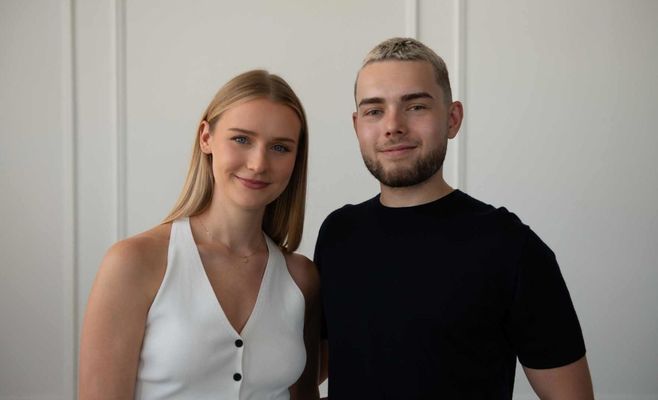
Vojtěch Hlavenka Takes Czech Startup Elonga to the US Market
USD 21,86
Popular
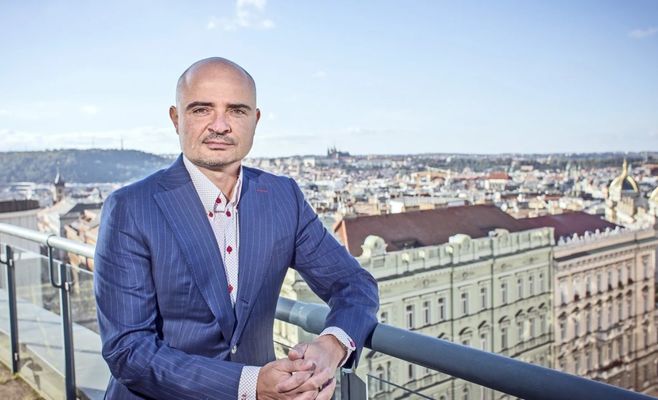
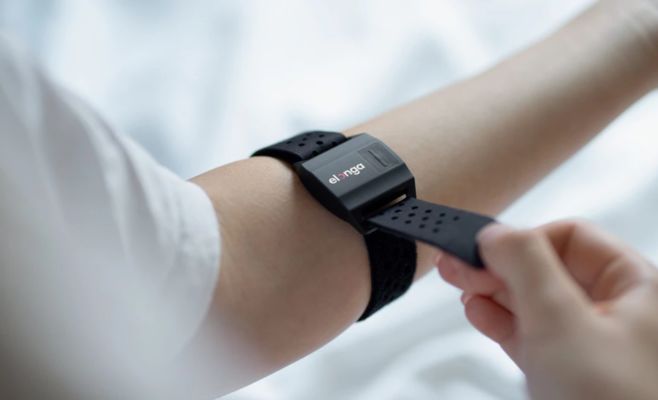
Czech startup Elonga, developer of heart rate variability analysis technology, has announced its entry into the US market. Founded by Vojtěch Hlavenka and physiologist Radim Šlachta, the company is now growing by a fifth every month and is aiming to cross the one-million-dollar mark in annual recurring revenue.
The main driver of this growth was a change in the business model in September 2025: instead of offering lifetime free access to the app with the purchase of a smart bracelet, Elonga switched to a subscription model. This sharply increased the long-term value of each customer — on average, a user stays with the app for about three and a half years — as well as the company's overall valuation. In June alone, the combined value of new customers exceeded seven million crowns.
These results became the springboard for expansion into the US, which the company officially entered in May. Within the first few weeks, several hundred American subscribers had already started using the bracelet.
"For our first major expansion, we chose the toughest market in the world — a market that's a dream for most brands because the competition there is the fiercest. But we've been up against major American players, from Apple and Google to Whoop, ever since day one on the Czech market. So we figured there was no point waiting," explains co-founder and CEO Vojtěch Hlavenka.
The startup's goal now is to cross the one-million-dollar mark in annual recurring revenue within the first year after introducing the subscription model. According to startup industry statistics, only about four percent of companies manage to achieve this.
Elonga's technology builds on more than 30 years of academic work by physiologist Radim Šlachta, who founded the mySASY platform for professional athletes back in 2017. Elonga adapted what was originally a lab-based method of spectral heart rate variability analysis for everyday use: a measurement that used to take twenty minutes in a lab has been shortened to just three minutes using machine learning, allowing users to quickly assess their stress levels, recovery, and the body's readiness for physical exertion.