Museum Kampa
USD 21,78
Popular
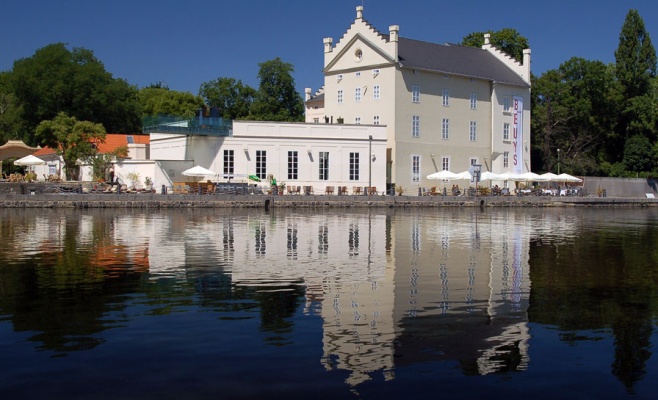
The Kampa Museum is a collection of modern European art housed in a building on the banks of the Vltava.
The site on which the museum now stands is fascinating in its own right. Kampa is an island built back in the 12th century — the largest artificial island in Prague — and it was here that the city's very first mill was built. The canal that flows around the island, known as "Prague's Venice," is a sight of striking beauty in itself. For centuries the mills here turned steadily, but repeated fires and floods kept disrupting the millers' work, and in 1896, after yet another fire, the burnt-out building passed into the ownership of the Prague municipality.
The original plan was to build a hotel on the site, but poor transport access meant the project never got off the ground. The first proposals for a museum of modern art here date back to the interwar period, though they would only come to fruition at the start of the 21st century.
Collector Meda Mládková donated the city a collection of works by František Kupka and Otto Gutfreund, which became the foundation of the future museum. Reconstruction of the buildings began, and the museum was officially opened in 2003.
The museum's holdings include works by František Kupka — not only his early paintings and sketches, but also a complete collection of the abstract art the Czech painter was so devoted to. Sculptures by Otto Gutfreund have also found their place here, with 17 bronze pieces on display, all created in the early 20th century in the Cubist style. One of the museum's most popular collections is that of Jiří Kolář, which numbers around 240 works. His signature technique involved creating images from cut-up paper or reproductions sliced into tiny fragments.
Alongside its many paintings and sculptures, the museum also has plenty to offer fans of avant-garde art: giant sculptures of red rabbits, yellow penguins, faceless infants, and a host of other wonderfully strange and unusual figures.