Fuel prices in Czechia: diesel to drop to 46 crowns a litre
USD 21,74
Popular
The Czech Ministry of Finance set a price cap for the weekend of 45.97 crowns a litre for petrol and 48.54 crowns a litre for diesel. In practice, fuel at the pumps was even cheaper — petrol almost 70 hellers and diesel more than 50 hellers below the permitted maximum — although large chains, especially those along motorways, immediately set their prices at the ceiling.
Diesel should fall even further
Diesel prices will keep falling: as part of measures to curb fuel costs, the government cut the excise duty on diesel by 2.35 crowns, including tax. This has not yet been fully reflected in prices, as petrol station operators are still selling stock bought at the previous, higher excise rate.
According to Boris Tomčiak, an analyst at the investment firm Finlord, diesel will fall by around 3.50 crowns this week — compared with the period before the regulation was introduced — to about 46 crowns a litre.
On working days, the government sets a maximum price for petrol and diesel: filling-station owners' markup cannot exceed three crowns, while the reduced excise duty also applies. These measures should remain in place at least until the end of the month.
Why oil prices jumped sharply
This year the cabinet has already regulated fuel prices once before — from April until mid-July, after prices spiked sharply in February following the US and Israeli strikes on Iran.
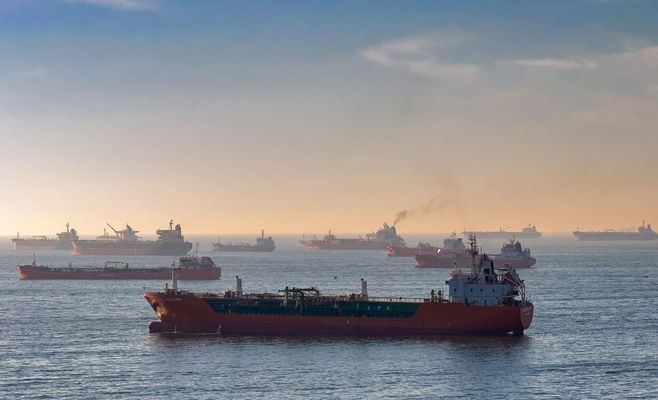
Oil prices surged at the time after shipping through the Strait of Hormuz, which before the war carried roughly a fifth of global oil consumption, was effectively halted. It remains expensive even now: on Monday afternoon, according to Tradingeconomics.com, a barrel was selling for more than $102, compared with around $70 in February. Refining margins have also risen, since Europe does not produce enough diesel for its own needs and must import it.
What this means for foreigners
This affects everyone who fills up at Czech petrol stations, foreigners included. The price caps on petrol and diesel, together with the reduced excise duty on diesel, apply on working days at least until the end of the month.
Source: novinky.cz