Czech petrol and diesel prices set to fall through October
USD 21,65
Popular
Since October 1, a government price cap on fuel has been in effect in Czechia, and according to a forecast by Finlord analyst Boris Tomčák, by the end of next week petrol could get cheaper by another 30 hellers per liter, while diesel could drop by roughly three crowns per liter thanks to the government's measures, plus another half a crown because of the situation on world markets.
How the price cap works
The regulation took effect on the first day of October. As of Friday, the government had set the cap for diesel at 48.58 crowns per liter and for petrol at 45.92 crowns. Filling stations' margins are capped at 2.50 crowns per liter, and the excise duty on diesel has been cut by roughly 2.35 crowns per liter. The measure was introduced because of the sharp rise in fuel prices in recent weeks and is set to remain in force until the end of October for now.
So far, though, fuel has only gotten marginally cheaper. The major chains Orlen, MOL, Shell and OMV have mostly set their prices at, or just below, the maximum allowed level.
Why fuel is getting cheaper slowly
According to economists, one reason is that filling stations are still selling off stock bought before the tax cut. “The stock has built up and needs to be sold off. If stations slashed their prices sharply, they could end up at a loss,” explained Štěpán Křeček, chief economist at BH Securities. At busy stations, restocking can take a day or two, while at smaller stations it can take up to a week, after which the tax cut should be felt more strongly in the price.
It may also help that some drivers had been holding off on filling up until the cap took effect and are now doing the opposite, filling their tanks completely — which could make the more expensive stock run out at stations faster.
Another reason diesel did not immediately get cheaper by the full amount of the tax cut is the way the maximum price is calculated, noted Petr Lajsek, an analyst at Purple Trading. In its calculation, the state assumes a margin of 2.50 crowns per liter, while stations whose margin had been lower can actually come out ahead. “If retail margins before the regulation were noticeably lower — and judging by the price trends, that does seem to have been the case — then some stations have actually profited from the regulation,” Lajsek said. This is more noticeable with petrol: on Thursday its maximum allowed price was 46.14 crowns per liter — about 30 hellers above Wednesday's average market price.
World oil prices are falling
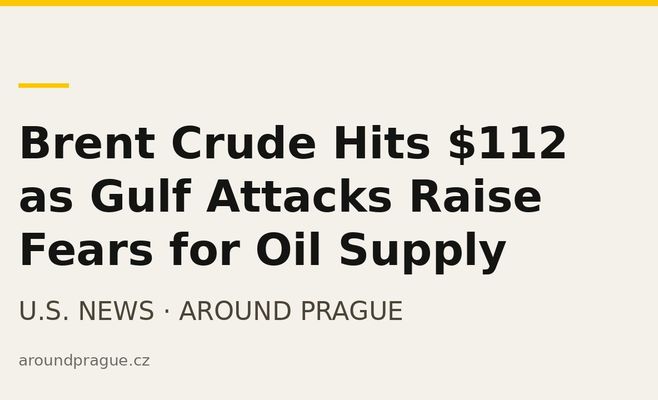
Additional price cuts should also come from trends on world markets: last week both oil prices and refiners' wholesale margins declined. Brent crude, the main global benchmark, traded at around 100 dollars a barrel, down from 110 previously. The wholesale margin on diesel, after a sharp rise triggered by the US and Israeli strikes on Iran, has come back down from nearly 90 to around 75 dollars a barrel, while the margin on petrol fell from 60 to roughly 37 dollars.
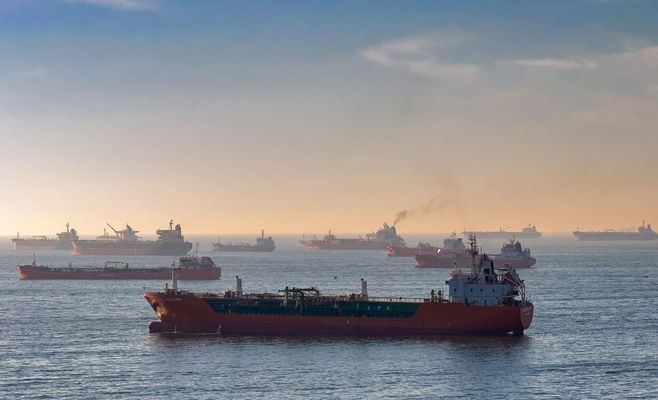
The long-term price trend remains uncertain — much will depend on the situation around the Strait of Hormuz, through which a fifth of the world's oil consumption used to pass and whose throughput is only now returning to pre-war levels. Working against further price rises, according to Tomčák, is rising output from countries outside the OPEC cartel, such as the US and Canada. “So I don't currently see a sharp further rise in the oil price as likely,” he added.
What this means for foreigners
This concerns everyone who fills up a car in Czechia, foreigners included. Since October 1, a price cap has been in effect: diesel no more than 48.58 crowns per liter, petrol no more than 45.92 crowns, with filling stations' margins capped at 2.50 crowns per liter. The measure is set to remain in force until the end of October for now.
Source: novinky.cz