How Czech Farmers Can Fight Voles Without Poison
USD 21,00
Popular
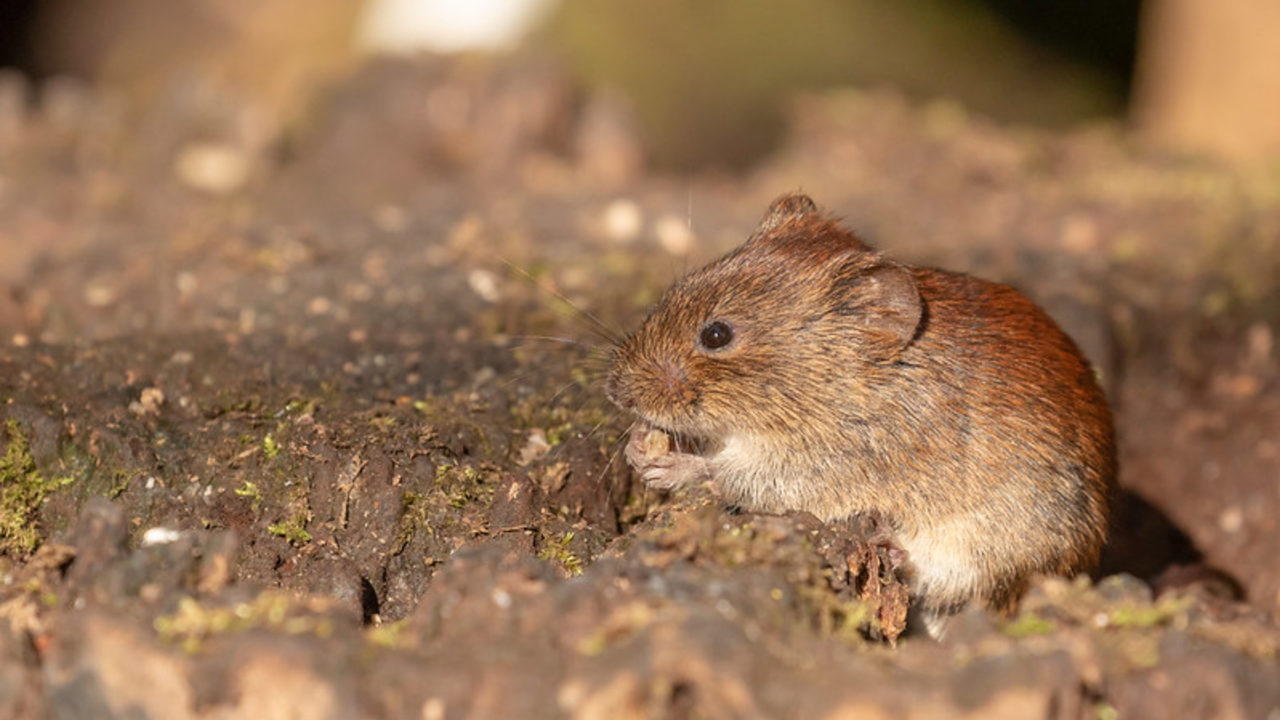
Czech farmers are increasingly grappling with vole outbreaks in fields of cereal and fodder crops, particularly in winter plantings. According to agrotechnical experts, blanket use of the poison Stutox is often officially banned by the authorities, while manually placing pellets into active burrows requires a lot of labour — a practice that frustrates farms.
Nature needs voles too
Despite the damage they cause to crops, voles remain a key link in the food chain for a number of protected and increasingly rare species. This applies above all to the barn owl and the Eurasian scops owl — owls that live mainly in lowland agricultural areas at altitudes of 200–350 metres above sea level. More common species — the common buzzard, kestrel, tawny owl and long-eared owl — are also found higher up in the mountains, where they compete with the rare owls for food and territory.
It is precisely in the lowland grain-growing regions that voles cause the most damage, which is why blanket poison treatment is most often used there. Experts believe that to preserve rare owl species, the use of Stutox should be minimised or eliminated altogether, replaced with more eco-friendly crop-protection methods.
What the rodent eats and where it lives
The vole is originally a steppe species, physiologically adapted to a plant-based diet — mixed-grass meadows give it a rich choice of feed. Tall, dense grass provides good cover from predators, especially diurnal and nocturnal birds. The rodent instinctively avoids open spaces, where it doesn't feel safe — which is why meadows mown several times a year become a deadly trap for it because of predators.
Voles adapt well to different feeds and thrive in monocultures of alfalfa, clover or rapeseed. Later-planted, wide-row spring crops such as maize, however, are entirely unsuitable for them — both for safety reasons and because of feeding habits: the rodent simply cannot drag a maize stalk into its burrow.
A crop-rotation scheme against voles
In the first year after a spike in vole numbers, experts advise planting crops that the rodents prefer — winter wheat, barley or rapeseed. This kind of rotation also reduces soil erosion and helps retain moisture in autumn and spring, when rainfall becomes scarcer.
In the second year, the situation remains favourable — it's enough to alternate crops, planting rapeseed after wheat and vice versa. In problem areas, experts recommend continuously monitoring rodent numbers and, if necessary, applying shallow ploughing or the principles of regenerative farming.
By the third year, when vole numbers usually peak, experts recommend switching to wide-row spring crops — maize or sunflowers — leaving the field, after the winter crop, "to nature" until spring. Birds of prey and owls flock to such plots from the whole surrounding area, gradually reducing the rodent population naturally. If numbers still exceed the norm by March, a herbicide or shallow ploughing in April is applied.
Experts warn that as dry spells become more frequent, the damage caused by voles will grow, since poorly emerging winter crops give the rodents little food, making crop damage more noticeable. In such critical periods, applying Stutox into burrows remains justified — rodents take the poison more readily when natural food is scarce.
What this approach delivers
According to its authors, the described method can be applied almost everywhere, especially in lowland grain-growing regions with frequent vole outbreaks. The only inconvenience for farms is the need to adjust the crop-rotation plan — something that also happens in ordinary years due to winterkill or poor germination.
Among the method's advantages are better soil protection, a moister microclimate, stable yields, and support for natural predators on fields left unploughed over the winter. Traditionally, ploughing was done in spring, when the soil is softer, but this increases fuel consumption and erosion risk — whereas a field covered with stubble is naturally protected from it.
Read also: Prague Metro: map and tickets
Source: ekolist.cz