Karviná ANO candidate on her 2026 Czech Senate runoff defeat
USD 21,62
Popular
Just a week ago it seemed that Orlová mayor Lenka Bžišková was headed for the Senate. She won the most votes in the first round, and Karviná is considered a stronghold of the ANO movement, so both the party leadership and analysts expected a victory. But Petr Kazik (OK) won, even increasing his support, while Bžišková “lost” a third of her voters in a single week.
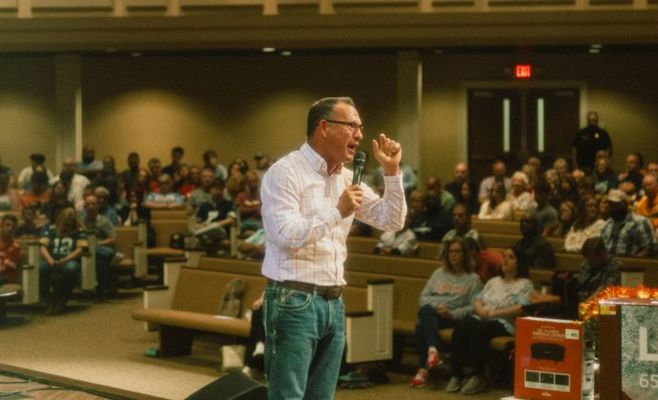
It was precisely the insufficient mobilization that ANO leader and Prime Minister Andrej Babiš criticized after the votes were counted. In an interview, Bžišková defends herself: “I was out in the district among people every day, practically from the start of the second round. I tried to talk to people.”
“Winning the first round isn’t everything”
The result came as a surprise to her. She says she went into the election intending to win, otherwise she wouldn’t have run. She sees the lead after the first round as more of a hindrance: the second round starts from zero. She compares it to sport: you can win the semifinal and lose the final.
“It’s important to keep working all the time. The fact that one election went well doesn’t guarantee that the next one will,” she says.
Contracts and criticism
During the campaign, reports emerged that the construction firm Sachtoma had received contracts worth 9 million crowns for the regional hospital in Krnov, while Bžišková chairs a regional commission at the health council. She explains that she is a co-owner of the firm, which is public knowledge, but that she stopped being its managing director ten years ago, does not run the company, takes no part in its contracts and receives no income or benefit from it.
What upset her most was the timing of the “attacks” — right before the second round. She believes the criticism was deliberate. “I haven’t done anything illegal. If anyone feels otherwise, let them do their civic duty and contact the competent authorities,” she stressed.
What’s next for ANO
At a press conference, Babiš complained that voters in the region had not been mobilized and noted that, in his experience, 3–5% more people can be brought to the polls. In the second round, Bžišková received three thousand fewer votes than a week earlier, while Kazik increased his support. The prime minister was also surprised that some candidates lost 33% of their votes in the second round, as she did. She has not yet spoken with Babiš since: “I think all of that is still ahead.”
She insists she did everything to win and to mobilize residents, and because she was defending a seat, her responsibility was greater than that of her colleagues. By her own account, she stood for a fair campaign and wanted to show that politics doesn’t have to be dirty.
In this year’s municipal elections she led ANO to victory in Orlová, but even there the movement received 13 thousand fewer votes than four years ago. These are the first elections since ANO took the lead of the new government. Bžišková rejects any link to the cabinet’s work: in her view, the main factor is falling turnout. There is only one remedy — explaining to people that they should vote in every election.
ANO won not a single Senate seat this year. Babiš criticized the regions, but Bžišková believes that “everyone should reflect”: both the leadership and the local branches. At the top, she says, it is human nature to “doze off,” relaxing in the belief that the ANO brand wins automatically. “You can’t rely on the brand alone; it has to be built, and you have to work with voters all the time,” she said.
Babiš announced that extraordinary congresses will be held in some local branches. Bžišková did not venture to predict what changes to expect in her own: she has not yet seen the prime minister’s press conference, and the decision, she says, lies with the committee and the movement’s leadership.
Source: seznamzpravy.cz