Leonid Meteor Shower Peaks Nov. 17, but Expect Just 15 an Hour
USD 22,10
Popular
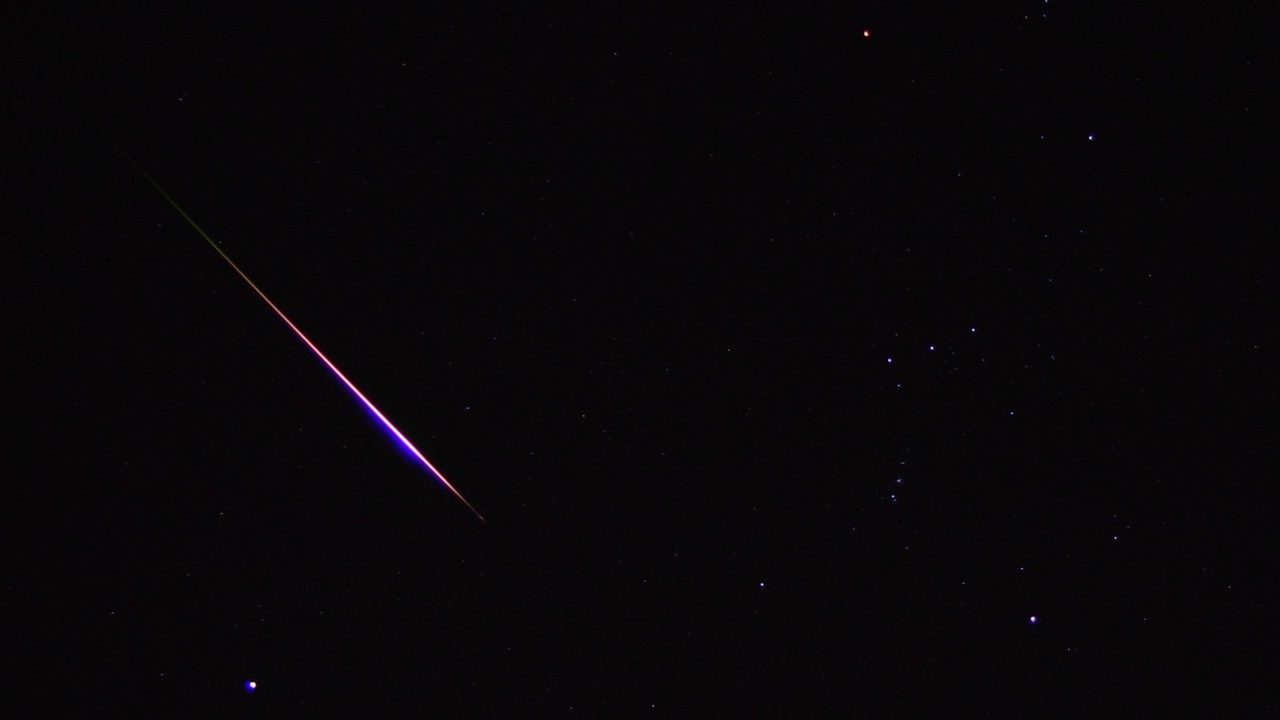
The Leonid meteor shower, famous for storms that once rained tens of thousands of meteors an hour, is heading for a lean year. Space.com reported that this year's display is expected to be weak, with long stretches when not a single Leonid appears.
According to the International Meteor Organization's 2026 calendar, the shower reaches its regular maximum at 23:45 UTC (6:45 p.m. EST) on Nov. 17, with around 15 meteors per hour possible under ideal conditions. Space.com said the realistic count is likely lower.
When to look for Leonids in 2026
Forecasters do not agree on the exact peak. Margaret Campbell-Brown and Peter Brown, meteor experts for the Royal Astronomical Society of Canada, predict it at 00:00 UTC on Nov. 18. Russian meteor expert Mikhail Maslov expects it about a third of a day earlier, at 16:00 UTC on Nov. 17. Space.com also noted several weaker encounters with older debris trails between Nov. 17 and 19, though no major storm is expected.
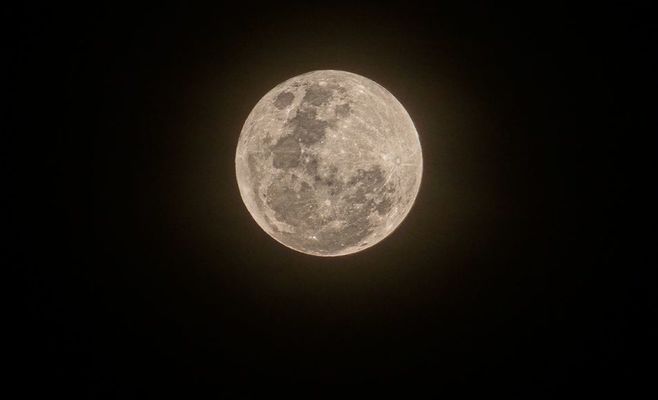
The moon is not a problem. It is at first quarter and sets before 11 p.m. local time Monday, leaving the rest of the night dark. The constellation Leo, where the meteors appear to radiate from, does not rise fully into view until after midnight, so those hours are the best time to watch. Space.com said that near 5 a.m., just before dawn, the pattern known as the Sickle will have climbed more than two-thirds of the way from the southeast horizon to the point overhead. Light pollution, tall trees and buildings will cut the count further.
Why this year is so quiet
The Leonids come from comet Tempel-Tuttle, which sweeps through the inner solar system every 33⅓ years. Each close pass leaves a dense trail of dusty debris, and a storm becomes possible only if Earth plows through a fresh trail. The comet last passed through in 1998, which is why strong displays followed in 1999, 2001 and 2002, with numbers declining afterward. Even those lesser displays reached up to a few thousand meteors per hour.
The comet is now far from the sun. Space.com said it was 1.84 billion miles (2.96 billion km) away in September 2014, the farthest it can get, and is still 1.11 billion miles (1.79 billion km) out, well beyond the orbit of Saturn. The part of its orbit that Earth will cross this year holds only a scattered few particles, which Space.com said were likely loosened from the comet's nucleus a millennium or two ago.
What this means for skywatchers
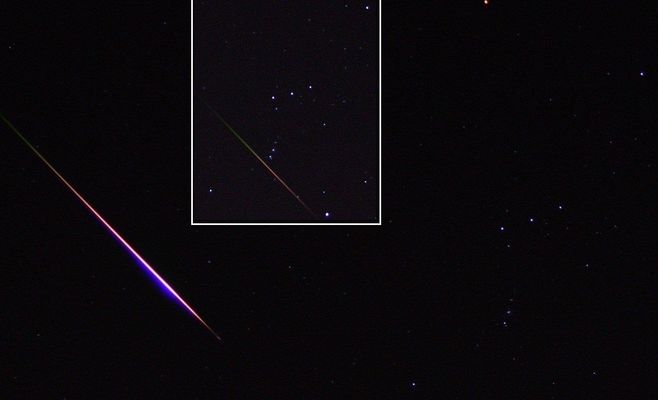
Anyone planning a late-night watch should expect a patient wait rather than a spectacle. Space.com said no more than 10 to 15 Leonids an hour are likely at best, and probably fewer. The Leonids hit the atmosphere nearly head-on, at 45 miles (72 km) per second, the fastest speed possible for meteors. Such speeds tend to produce bright meteors with long-lasting trails, but Space.com said a bright Leonid fireball is likely to be very rare this year, if one appears at all.
A look back at the storm years
This year marks 60 years since one of the most spectacular Leonid displays lit up the predawn sky over the central and western U.S. in 1966. Space.com's headline put the rate that year at 144,000 meteors per hour. Storms with rates in the tens of thousands per hour were also seen in 1833 and 1966.
Ahead of 1966, Dr. Kenneth L. Franklin, chief scientist at New York's Hayden Planetarium, examined the comet's orbit and concluded that its position was roughly what it was in 1833, so a dramatic shower was possible. Based on his prediction, a meteor party was planned for the peak night in Central Park.
The comet's next return to the inner solar system is tied to its 33⅓-year cycle, and Space.com said it examined what the shower might bring in the years to come. For now, the 2026 Leonids are a reminder that the shower's reputation depends on the comet's schedule, not on the calendar date.
Read next
Leonid Meteors Peak Nov. 17, but a Storm Isn't Expected This Year
What the Orionid Meteor Shower Peak Means for Your Night Sky Plans
Taurid Meteors Peak Nov. 4-5, With Fireballs Brighter Than Venus
Around Prague, based on reporting by Space.com
Cover photo: Alpsdake / Wikimedia Commons, CC BY-SA 3.0, cropped