Leonid Meteors Peak Nov. 17, but a Storm Isn't Expected This Year
USD 22,10
Popular
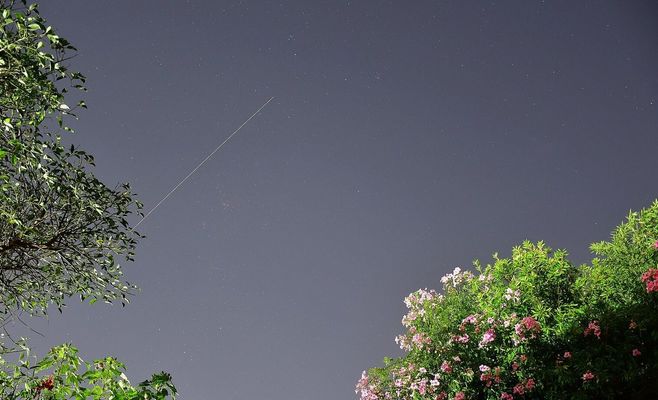
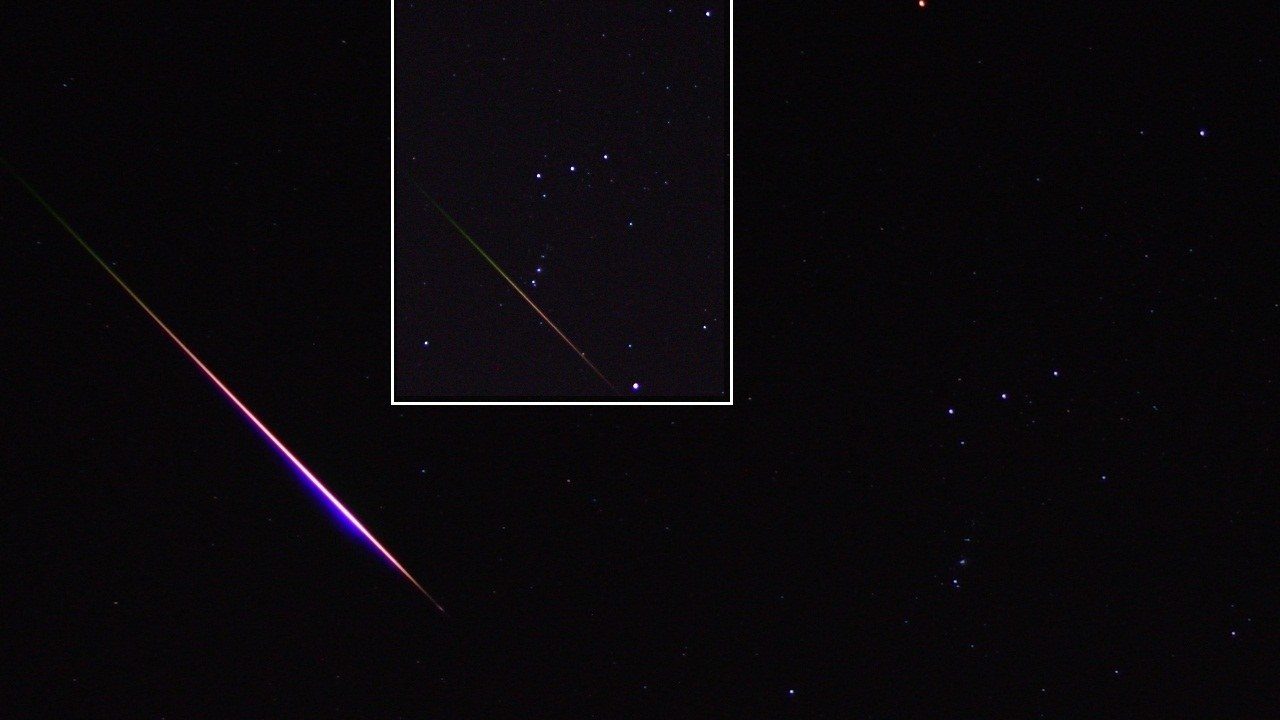
The Leonid meteor shower peaks on Nov. 17 at about 3:00 Universal Time, and the Moon is cooperating this year, according to Universe Today. Forecasters expect only a modest show of roughly 20 meteors per hour, not the dramatic storm the shower is famous for.
The timing favors observers in Europe toward dawn, with North America getting its turn a few hours later. No special equipment is needed: clear, dark skies and some patience are enough.
What to expect in 2026
The Leonids come from debris shed by periodic comet 55P/Tempel-Tuttle, which orbits the Sun every 33 years. Earth plows into that debris almost head-on, so the meteors are very fast, with a combined velocity of close to 70 kilometers per second, Universe Today said. That is near the theoretical maximum for meteors in the inner solar system.
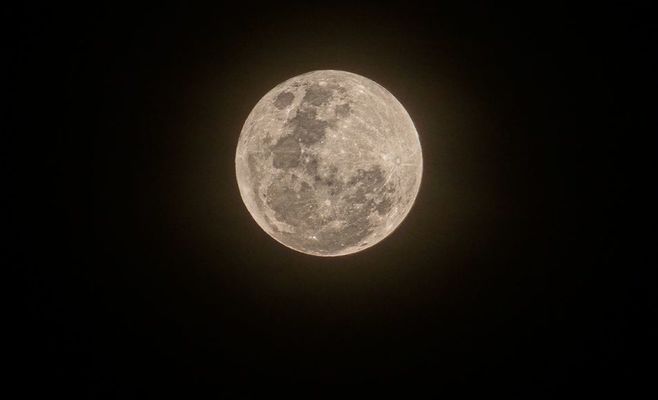
The Moon is only 41% illuminated and reaches first quarter a day after the peak night of Nov. 16-17. It sets in the west just as the shower's radiant rises in the east, leaving darker skies for the best viewing hours.
The radiant sits in the backward question-mark shape of stars known as the Sickle of Leo. If you can trace a meteor's path back to that region, it is a Leonid. Mars, Jupiter and the bright star Regulus are also nearby this year, Universe Today noted.
A shower with a history of storms
A meteor storm is loosely defined as a rate of about 1,000 meteors per hour, or roughly one every 3-4 seconds. That figure, known as the zenithal hourly rate, is an idealized number that assumes dark skies and the radiant directly overhead, so most observers see fewer. The Leonids reach those heights roughly every 33 years, and the record of past displays is long:
- 902 AD: Arab annals contain the earliest records of the Leonids cited by Universe Today.
- 1833: A historic storm left frightened residents along the U.S. Eastern Seaboard waking to skies full of meteors. The event helped shift scientific thinking about meteors from an atmospheric phenomenon to one that originates in space.
- Nov. 17, 1966: Observers over the southwestern U.S. saw an estimated 160,000 meteors per hour.
- 1998: The article's author watched meteors light up the Kuwaiti desert seconds apart before sunrise, a year ahead of the outburst forecast for 1999.
- May 20, 2031: Comet 55P reaches perihelion, its closest point to the Sun, 0.975 astronomical units out, just inside Earth's orbit.
What it means for skywatchers
For anyone planning a night out, 2026 is a good year for a quiet, low-pressure look rather than a once-in-a-generation spectacle. Rates are projected at about 20 meteors per hour, and you will generally see more in the early morning hours, when Earth is heading into the oncoming stream of debris.
Photographers can capture long-exposure shots with a tripod-mounted DSLR camera and a wide-field lens, and an intervalometer can automate the process. Universe Today also encourages observers to count what they see and send the observations to the International Meteor Organization.
Will a storm return soon?
Universe Today said the shower passed the midpoint of its cycle in 2017 and that activity climbed steadily through the late 1990s ahead of 1999. Current models, however, suggest no great storms on the comet's 2031 and 2064 passes. The next great storm year is projected for 2099.
That does not mean the early 2030s will be dull. Older debris streams could still produce respectable showers of more than 100 meteors per hour, enough to top the annual Perseids and Geminids, according to the outlet. For now, the simplest advice from the source is also the most accurate: you will see no meteors if you do not look.
Read next
Taurid Meteors Peak Nov. 4-5, With Fireballs Brighter Than Venus
What the Orionid Meteor Shower Peak Means for Your Night Sky Plans
November Sky Guide: Leonids, Mars Meets Jupiter and a Voyager 1 Milestone
Around Prague, based on reporting by Universe Today
Cover photo: Alpsdake / Wikimedia Commons (public domain)