Superheated Magma Held Off Crystals for Over Eight Hours in Lab Tests
USD 22,10
Popular
Magma that is heated beyond the point where its crystals would normally stay stable can go for more than eight hours without forming new crystals, according to a University of Manchester-led study. In the same experiments, magma that had not been superheated began forming crystals after approximately 20 minutes.
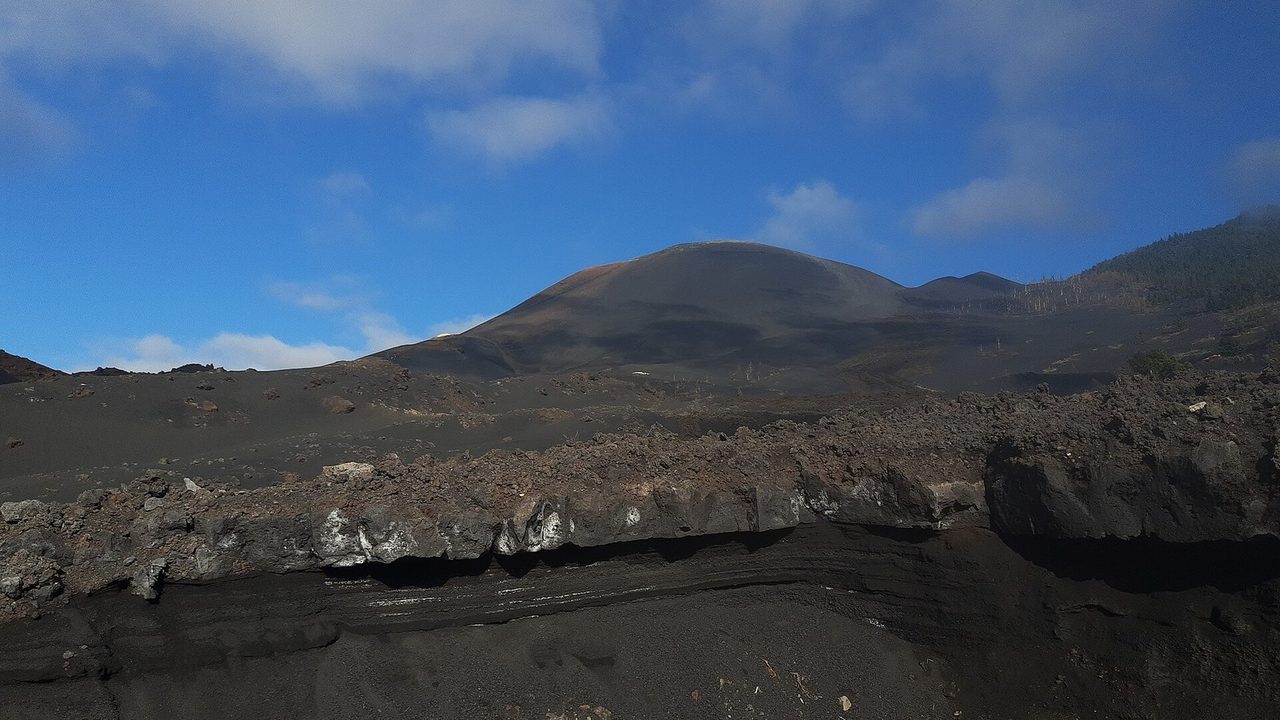
The researchers say this delay may help explain why some volcanoes shoot towering fountains of lava into the sky while others release molten rock more quietly. The work, reported by ScienceDaily and published in Nature Communications, used material from the 2021 Tajogaite eruption on La Palma, Spain.
What is superheating, and what does it do to magma?
Superheating happens when magma reaches temperatures above those at which its crystals would remain stable. Under normal conditions, crystals start forming as magma cools, often around tiny existing crystals that act as seeds.
The team describes two ways extreme heat disrupts this. Sufficiently high temperatures can dissolve those microscopic seeds. The heat also makes the internal structure of the molten material more uniform, which makes new crystals less likely to form.
Why do crystals matter for an eruption?
Crystals change how easily magma flows. As more of them develop, magma generally becomes thicker and moves less readily. That can affect how fast it rises and how trapped volcanic gases escape.
Lead author Dr. Barbara Bonechi, a research associate at the university, said the history of crystal and bubble growth can strongly control how magma erupts. She added that scientists had not fully understood crystal growth in magma that received a burst of extra heat just before rising.
How did the researchers test this?
The team recreated volcanic conditions in the laboratory using material from the Tajogaite eruption. The magma in that eruption may have been superheated before reaching the surface and while rising through the crust, according to the report. Temperatures and pressures were carefully controlled to mimic conditions underground.
At Diamond Light Source, a major research facility, the scientists used synchrotron X-ray microtomography to watch crystals develop in real time. The technique uses powerful X-rays to image a material's internal structure in three dimensions without cutting it open. A newly developed pressure vessel that X-rays can pass through made this possible while the sample was under volcanic conditions. Complementary experiments in Prague let the team examine samples over longer periods.
What did computer models add?
The researchers fed the measured delays into computer models that simulate magma rising through the crust. In those simulations, when superheating delays crystallization, magma can stay relatively fluid as it climbs. With less resistance to flow, it may rise more rapidly, which could create conditions that favor lava fountains.
Such fountains occur when escaping gases push molten rock high above a vent. The study presents this as a possibility the models support, not as a proven cause for any specific eruption.
Why does it matter?
The finding speaks to a long-standing question in volcanology: how a magma's temperature history shapes the way a volcano erupts. Temperature and chemical makeup have long been seen as important. This work suggests the heating magma experiences shortly before an eruption can also make a major difference.
For general readers, the main takeaway is a better understanding of why eruptions differ in style, from dramatic fountains to calmer flows. The results come from laboratory experiments and computer simulations built on one eruption's material, so they do not by themselves show how every volcano behaves. The report does not describe any immediate change to eruption forecasting or hazard warnings.
Read next
Magma Can Hold Far More Oxygen Than Thought, Lab Tests Show
Japan’s Buried Supervolcano Is Quietly Refilling With Fresh Magma 7,300 Years After Its Giant Eruption
Acid Gas Over Mars' Biggest Volcano Hints Magma Still Lurks
Around Prague, based on reporting by ScienceDaily
Cover photo: Gerda Arendt / Wikimedia Commons (public domain)