Medicaid Work Requirements Delayed Six Months, but Checks Start Jan. 1

USD 22,10
Popular
The Trump administration on Friday announced a six-month delay in enforcing the Medicaid work requirement, according to NBC News and Axios. The delay is optional: states that use it will not be held accountable for the rule until at least July 1, and no one in those states will lose coverage for failing to meet it before then.
The requirement, part of President Donald Trump's tax and spending law, is still scheduled to begin on Jan. 1. Here is what the new guidance from the Centers for Medicare & Medicaid Services (CMS) does and does not change.
What exactly did CMS announce?
CMS created what it calls an optional "hold harmless" period, which Axios reported runs through June 30. The agency said the window gives states time to modernize systems, improve processes and make the experience easier for applicants and enrollees.
NBC News reported that states using the window will still begin checking on Jan. 1 whether enrollees work, volunteer, attend school or qualify for an exemption. The difference is that nobody in those states can lose coverage over the rules until July.
What does the requirement ask of people on Medicaid?
Under the law, many able-bodied adults under age 65 must show they work, volunteer or attend school at least 80 hours a month to keep Medicaid. The program provides health coverage for low-income and disabled Americans.
The administration argues the requirement and other provisions in the law encourage work, reduce waste and protect benefit programs for people who need them.
Why does it matter for enrollees?
The Congressional Budget Office estimated that the work requirements alone would leave 5.3 million more people uninsured by 2034 and save the federal government $317 billion. That is part of nearly $1 trillion in Medicaid cuts in the law, NBC News reported.
Axios reported that the main worry is not that people will be removed for refusing to work. Instead, it is that they will lose coverage because they do not understand the reporting rules or cannot prove they meet them. Citing the New York Times, Axios said hospitals have been so concerned that they built their own outreach campaign to prepare people on Medicaid.
For now, enrollees in states that take the delay get several more months before a missed requirement can cost them coverage. Because the delay is optional, what happens to a given person depends on whether their state chooses to use it.
Have any states already put the rules in place?
Yes. Nebraska launched its work requirements on May 1. According to state figures through August, more than 1,000 people there have lost coverage or been denied benefits because of the rules, NBC News reported.
Why did the administration change course?
NBC News described the move as a notable shift for an administration that spent months defending the policy against criticism from state officials and health care advocates. They had warned that the rollout was too fast and that eligible people could lose coverage because of added paperwork.
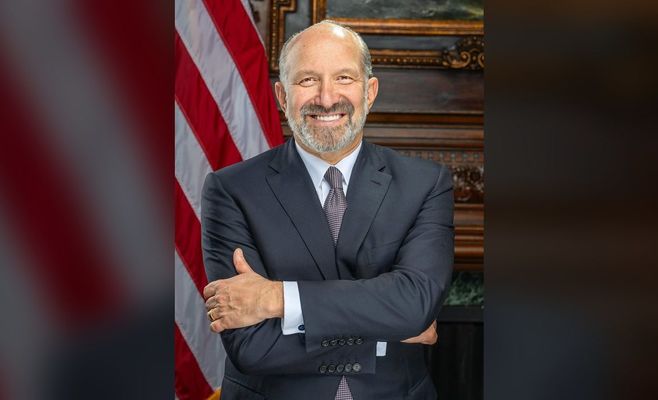
Pressure had been building. Last month, five Democratic governors asked Health Secretary Robert F. Kennedy Jr. to postpone implementation, saying state agencies were not ready. Also last month, a federal judge blocked the administration from enforcing the part of the requirement that deals with medically frail people, saying some could wrongly lose coverage.
The announcement also comes a little more than a week after Democrats won control of both chambers of Congress on a promise to reverse Republican cuts to health care and food assistance, NBC News reported.
Dan Brillman, who oversees Medicaid at CMS, said states have made real progress and have been clear about what they need to get this right for beneficiaries. The White House declined to comment.
How are advocates reacting?
Sarah Lueck, vice president for health policy at the Center on Budget and Policy Priorities, said in a post on X that the news lets states delay what she called harm. She said millions of people's coverage is at risk as states rush to carry out the law and respond to shifting federal requirements.
Read next
Black Friday 2026: Walmart Starts Nov. 12, Amazon Sets Nov. 19-30
What to Watch as Midterm Polls Close and Why Control of Congress May Take Days
Poundland Seeks More Time as Deadline Looms for 11,000 Jobs