Republicans Worry $1 Billion War Chest Arrived Too Late for Midterms

USD 21,83
Popular
Republicans head into the final month of the 2026 midterm campaign with roughly $1 billion in available cash, yet some within the party worry the advantage came together too late to stop significant losses, according to ABC News.
The concern stems from President Donald Trump's unpopularity, continued worries about costs for everyday Americans, and fallout from the war in Iran, the outlet reported. Republican strategists say the money, though large, may be landing in ad markets after the best and cheapest airtime has already been bought up.
A late and costly ad surge
Much of the Republican money is concentrated in the Trump-aligned group MAGA Inc., which had nearly $416 million in cash on hand at the end of August and ramped up spending in September, according to ABC News. But four Republican Senate campaign officials said groups that booked advertising last spring secured far lower rates than MAGA Inc. is now paying. In some cases, Trump-connected groups are paying more than five times what earlier bookings would have cost, the officials said.
A representative for MAGA Inc., speaking on condition of anonymity, said the group's spending has kept several races more competitive than they otherwise would be, and that in some instances it has been the only entity airing ads critical of Democratic candidates.
The strain is visible in Texas, a state that has not elected a Democratic senator since 1988. Trump was scheduled to travel there on Wednesday for the second time in a week to campaign for Republican Senate candidate Ken Paxton. MAGA Inc. has spent more than $22 million there in the past month, according to the ad tracking firm AdImpact. A separate group aligned with Senate Majority Leader John Thune, Texas PAC, has spent more than $83 million on ads in the state in the same period — an unusually large sum for what is normally considered a safe Republican seat. One Texas PAC ad features Paxton's estranged wife expressing support for the Republican ticket and aired nationally during a football game between the Dallas Cowboys and the Houston Texans.
Outside groups generally pay higher advertising rates than candidates themselves, and AdImpact data cited by ABC News shows a wide gap: MAGA Inc. has been charged roughly $894 per airing on streaming platforms, Texas PAC roughly $809 for a mix of broadcast and streaming, compared with about $290 for Democratic candidate Talarico's campaign. During one football game broadcast, Texas PAC paid $450,000 for a single spot in the Austin market, while Talarico's campaign paid $50,000 for a spot in the same game and market.
Thune's group has also pulled back spending in North Carolina in recent days, a sign of difficulty in that Senate race, ABC News reported. Outgoing North Carolina Sen. Thom Tillis has spoken openly about his party's vulnerabilities, saying that even with a cash advantage, candidates must now make targeted bets rather than spend everywhere.
Key numbers
- Republicans have roughly $1 billion available across major groups, versus at least roughly $579 million held by comparable Democratic groups.
- MAGA Inc. had nearly $416 million in cash on hand at the end of August.
- MAGA Inc. has spent more than $22 million in Texas in the past month; Texas PAC has spent more than $83 million there.
- MAGA Inc. is being charged roughly $894 per ad airing, versus about $290 for a Democratic campaign's own ads.
Why it matters
The spending gap is reshaping how voters experience the campaign, with viewers in competitive states seeing a flood of high-cost television and streaming ads in the race's final weeks. Republican pollster Neil Newhouse argued that advertising bought after Labor Day has far less impact on voters than earlier spending, saying a million dollars spent in October amounts to very little. Democrats, who hold a smaller financial advantage, are instead leaning on voter sentiment against Trump and messaging around issues such as corruption, according to ABC News.
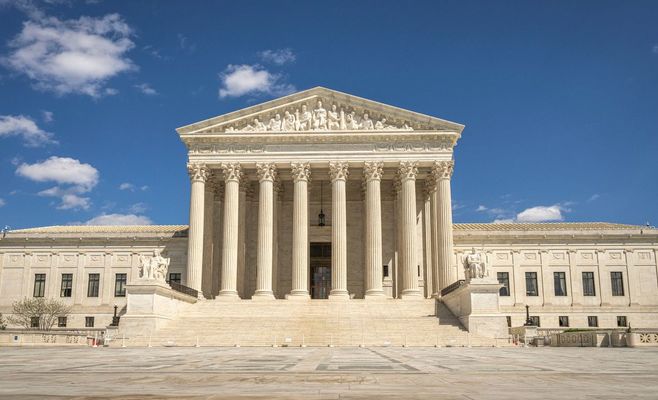
The election is also the first since the Supreme Court in June removed limits on how much political parties can spend in coordination with congressional and presidential candidates, adding further money into an already costly system. Senate Democratic leader Chuck Schumer described the scale of Republican spending as “obscene” and said Democrats will never be able to match it dollar for dollar, while expressing confidence that stronger candidates and a favorable political climate could offset the gap.
Competitive Senate races are also underway in Ohio, Maine, Iowa and Michigan, and governor's races are contested in Florida, Georgia, Wisconsin, Ohio and Nevada, according to ABC News.
Source: ABC News