Rubio Defends Iran War After GOP Losses, Sees No Deal Soon
USD 21,80
Popular
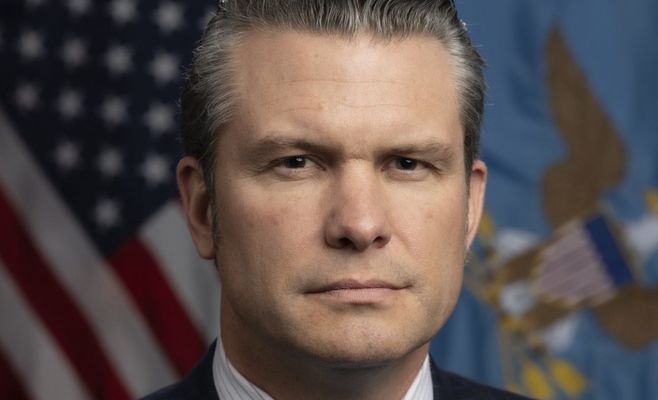
Secretary of State Marco Rubio defended the war against Iran on Sunday, saying President Donald Trump acted to stop a nuclear threat even though the conflict is unpopular. He also said talks to end the fighting are not close to a breakthrough, which leaves the economic strain that voters blamed for last week's Republican election losses unresolved.
The Associated Press reported, in the story carried by WKMG, that the war's unpopularity and its effect on gasoline prices and other parts of the economy helped Democrats win control of Congress.
Why it matters for household budgets
According to the AP, voters blamed Trump's policies for the hit to their finances, including higher energy prices. Those stemmed from disruptions to shipping in the Strait of Hormuz, a waterway through which one-fifth of the world's oil passed before the war. The conflict is more than eight months old.
With no clear administration plan to wind down the war, the AP said, the Middle East remains on edge over a possible return to major hostilities. Rubio's assessment that a deal is not imminent suggests the conditions behind those prices are not likely to change quickly, though the sources do not forecast prices.
What Rubio said
Speaking in Florida before leaving for a Group of 7 foreign ministers meeting in Paris, Rubio was asked about a social media post by Vice President JD Vance last week that largely blamed the war for the election results. Rubio did not directly address the election outcome. He said Trump had identified a real threat and that confronting such challenges is sometimes “necessarily popular, but necessary,” in his words.
Rubio said talks with Iran have not been productive. He called Iranian demands unacceptable and, in some cases, unrealistic, and said Trump still prefers a diplomatic solution.
Trump's comments
Trump told reporters Sunday that if he had it to do over, the war would go down as one of the best things the country ever did, because Iran with a nuclear weapon would be a danger to the world. According to the AP, he said Vance was right about the war's effect on the election, but that Vance should also have insisted the decision was correct.
In an interview on “60 Minutes,” Trump said he is not looking to escalate the war after the elections. He told CNN that if the U.S. sees progress and Iran signs a strong agreement, resuming strikes is highly unlikely. He added that the U.S. has identified infrastructure targets, including 38 bridges, that it would hit if military action resumes.
The AP noted that Rubio's remarks put him at odds with Vance. Both are considered possible 2028 contenders. Asked on “60 Minutes” about candidates other than Vance, Trump named Rubio and praised him. He also said the party has a deep bench and that he may be better off staying out of the matter.
The nuclear dispute and the sticking points
Iran has long said its nuclear program is peaceful. The AP, citing the International Atomic Energy Agency, said Iran holds 440.9 kilograms (972 pounds) of uranium enriched to 60% purity. That is a short technical step from weapons-grade levels of 90%.
Mediators, led by Qatar, are trying to revive negotiations, according to the AP. Officials have said Iran was reviewing Qatari proposals but is unwilling to negotiate over its nuclear activities until the U.S. meets several conditions for any ceasefire:
- Ending the U.S. blockade of Iran's ports
- Lifting sanctions
- Unfreezing Iranian assets
- Paying compensation for war damage
- Ending hostilities across the region, including Israeli operations in Lebanon
Military activity continues
The AP reported that the U.S. military has carried out limited strikes on Iran, including on air defenses, at least twice in the past week. On Saturday it fired on and disabled a commercial ship that the U.S. says was trying to breach its naval blockade. Rubio said the U.S. has a right to defend itself if shipping or American forces face a clear and present threat.
Fox News reported that Iran said it was dropping its self-imposed 2,000-kilometer (roughly 1,240-mile) ballistic missile range limit. Revolutionary Guard spokesperson Brig. Gen. Hossein Mohebbi announced the change after the U.S. military launched a task force on Nov. 7 to cut off Tehran's weapons shipments and illicit trade.
What happens next
Trump was scheduled to meet Qatari Prime Minister Sheikh Mohammed bin Abdulrahman Al Thani at the White House on Monday, according to his official schedule. Qatar is the chief mediator between the two sides.
Read next
Gas Prices Up 38% Since Iran War Began as Democrats Win Midterms
Iran War Has Cost the U.S. Military at Least $47.1 Billion, CENTCOM Estimate Shows
How The Economist's Estimate of Russian War Losses Has Grown Since 2025