What Oil Near $117 and a Dow Slide Mean for Gas, Mortgages and Prices
USD 21,74
Popular
U.S. stocks slid on Friday as oil prices climbed on fears of renewed fighting between the U.S. and Iran, adding to pressure on household budgets that were already strained by costly fuel and borrowing. Business Insider reported that the Dow Jones Industrial Average was down 1.15%, or 610 points, around 1:45 p.m. ET, after briefly falling as much as 800 points.
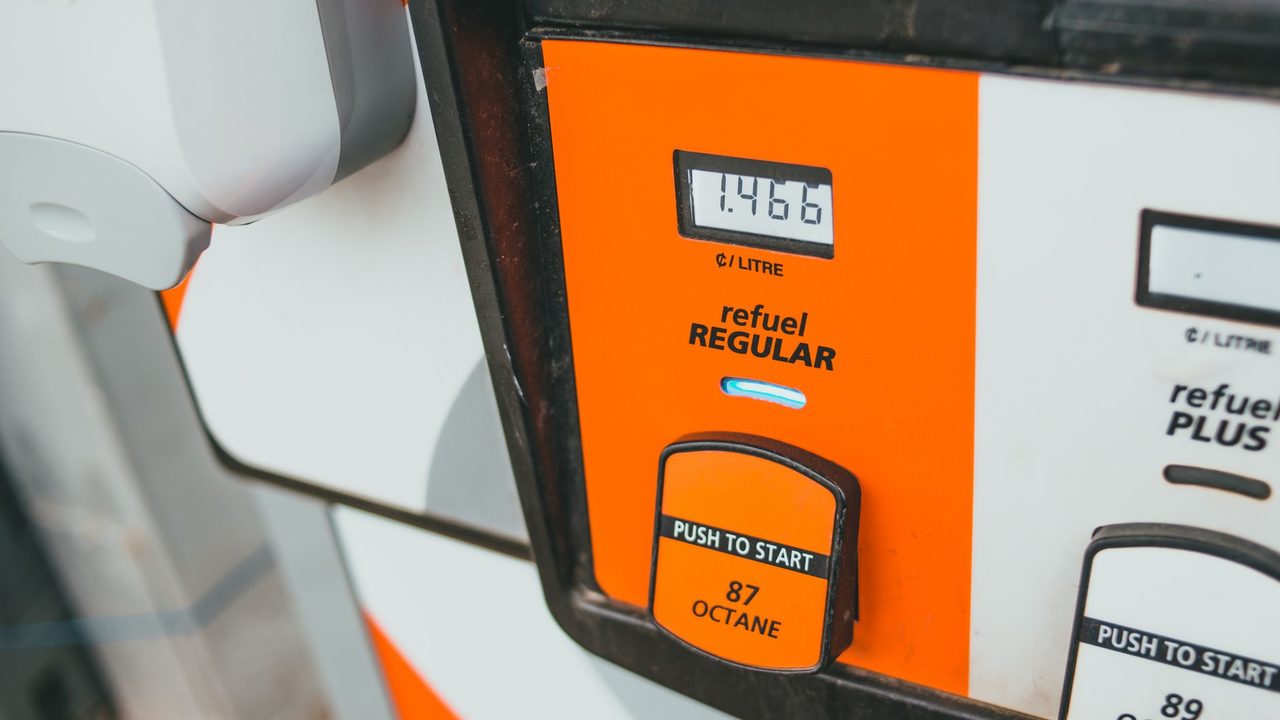
The move matters beyond Wall Street because oil feeds directly into gas prices and inflation worries. According to AAA, a gallon of regular gasoline cost $4.29 nationally on Friday, more than $1 above a year ago.
What it means for gas prices, mortgages and inflation
Brent crude, the international benchmark, rose nearly 4% to $117 a barrel, Business Insider reported. That is not far from its earlier wartime peak of around $122. West Texas Intermediate, the U.S. benchmark, gained 2% and moved back above $100 a barrel.
Consumers are already feeling the strain. The University of Michigan's October reading showed consumer sentiment at a five-month low. Sara Godfrey, an economist at Oxford Economics, wrote that higher interest rates and high gas prices have been souring moods. She warned that higher energy costs could add to broader inflation pressure.
The survey also showed year-ahead inflation expectations rising to 4.7% in October, up 0.1 percentage points. Borrowing costs remain steep: the 30-year fixed mortgage rate was 7.32% last week, according to the report. The benchmark 10-year Treasury yield, which dipped below 5% for the first time in a month during Thursday's selloff, was back around 4.98% on Friday.
What pushed stocks lower
Sameer Samana, head of global equities and real assets at Wells Fargo Investment Institute, said oil appeared to be the driver of Friday's losses. Geopolitical worries grew on Thursday after The New York Times reported that the U.S. and Israel were planning strikes on Iran following the midterm elections. On Friday, Mohsen Rezaei, secretary of Iran's Supreme National Security Council, said in a post on X that Iran was preparing for fresh attacks.
Traders are weighing the chance of a prolonged conflict that keeps pressure on oil markets, Business Insider said, at a time when stocks already looked fragile.
Around 1:45 p.m. ET, the major indexes stood as follows:
- S&P 500: 7,630.34, down 0.43%
- Dow Jones Industrial Average: 52,257.98, down 1.15%
- Nasdaq 100: 29,008.64, up 0.17%
The Nasdaq 100 had its worst day since June on Thursday, when a wave of selling hit AI-related stocks. Business Insider said the trigger was renewed concern about heavy AI spending after earnings from Tesla and Meta. Investors worry the spending has produced little so far, and that a pullback by big tech companies could hurt the broader infrastructure trade. The iShares Semiconductor ETF, which lost 6% on Thursday, rose 1% on Friday.
What to watch next week
Next week brings a heavy slate of events. Alphabet, Microsoft, Amazon and Intel are due to report earnings. The Federal Reserve also announces its interest rate decision on Wednesday. According to Business Insider, the central bank is expected to leave rates unchanged, while the odds of a rate hike in December remain elevated at about 71%.
For households, the main variables are whether oil stays near current levels and whether the Fed signals further tightening. Both bear on the cost of gas, mortgages and everyday borrowing.
Around Prague, based on reporting by Business Insider