What the Thanksgiving Storms Mean for Travelers: Outages, Flight Delays and Floods
USD 22,31
Popular
Pennsylvania, New Jersey and Maryland were hit hardest. Outages had peaked at about 940,000 on Thanksgiving, NBC reported, while the BBC put the peak at close to a million.
The weather also disrupted travel on one of the busiest holidays of the year, and another round of rain is expected early next week.
What it means for people traveling
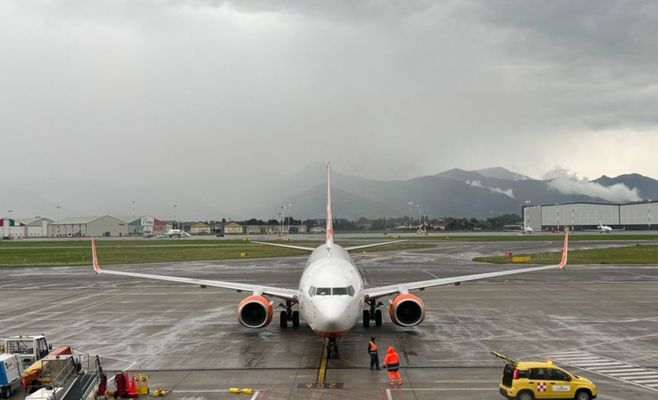
FlightAware counted 462 canceled flights and 2,700 delays within, into or out of the U.S. on Thursday, according to NBC. The BBC, citing the same tracker, reported more than 2,500 delays and more than 450 cancellations. Almost 100 flights had been canceled by early Friday, and the BBC said hundreds more delays were reported, with Friday expected to be another busy travel day.
One passenger told the BBC he was stuck at New York's LaGuardia Airport for 13 hours trying to reach Chicago. Tidal water soaked runways at Reagan Washington National Airport. The auto club AAA had predicted that 81.5 million Americans would travel at least 50 miles from home over a seven-day Thanksgiving period.
On the roads, the Chesapeake Bay Bridge-Tunnel in southern Virginia was closed for several hours Thursday because of high winds. NC 12, the only highway linking North Carolina's Hatteras Island to the mainland, was closed after seawater breached the dunes. Some bridges in Maryland and New Jersey were also closed, and Amtrak's Pacific Surfliner in California canceled several trains because of washout conditions from high tides.
What happened on the East Coast
New York and New Jersey remain under a state of emergency. Central Park had wind gusts of up to 48 mph on Thursday afternoon and its wettest Thanksgiving on record, with 1.82 inches of rain, according to the National Weather Service. The Macy's Thanksgiving Day Parade was postponed to Saturday, the first postponement in its 100-year history according to the BBC, over concerns about how the giant balloons would fare in the wind.
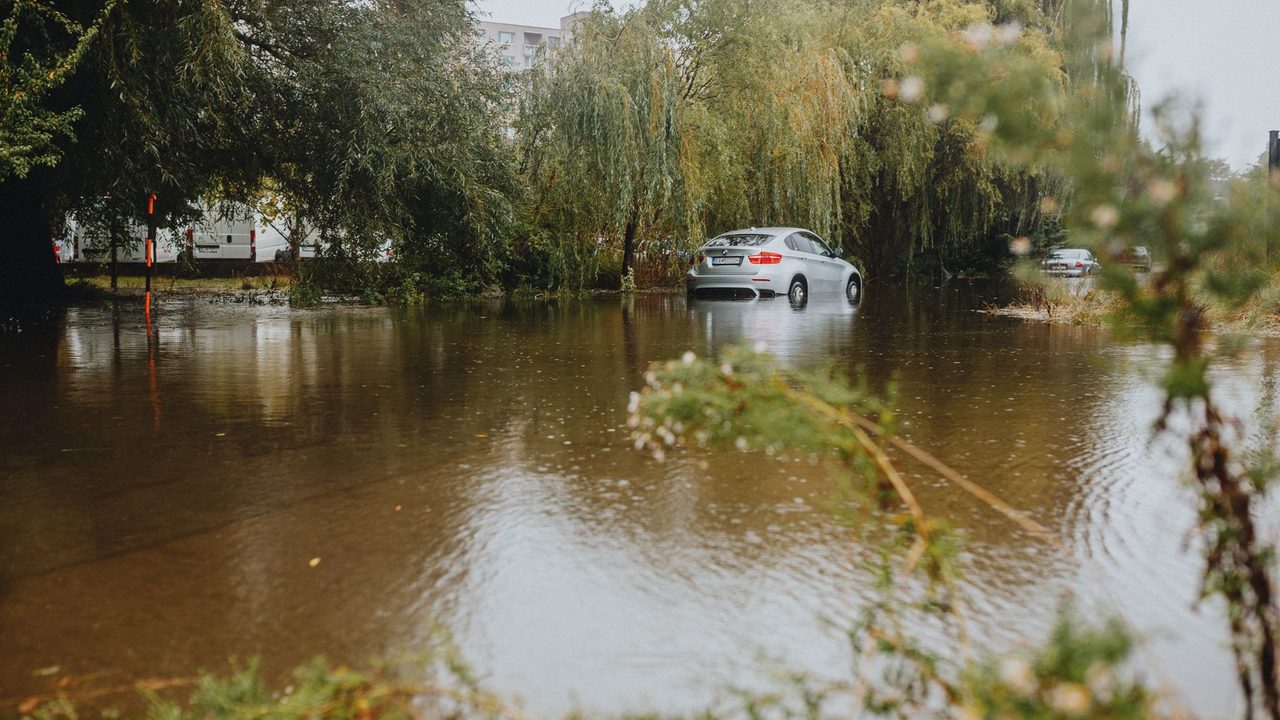
New York Mayor Zohran Mamdani said two people were rescued from their cars because of flooding, and similar rescues were reported in other coastal communities. He urged people to stay safe, saying no destination is worth risking it. In Avalon, New Jersey, a borough official said the town saw some of the worst flooding in its history, though not quite at the level of Hurricane Sandy. No injuries were reported there.
In Maryland, nearly 2 million water customers in Montgomery and Prince George's counties were asked to conserve water because of intermittent power disruptions. In Washington, D.C., winds downed cables and trees, and a coastal flood warning was extended until noon Friday.
Snow in the middle of the country, king tides in the West
Heavy snow fell on parts of Illinois and Missouri. St. Louis recorded 7.3 inches, and Ste. Genevieve, Missouri, recorded 14 inches. The roof of an ice arena in Wentzville, Missouri, collapsed at about 3 a.m. while the building was empty, the city said.
On the West Coast, record tides forced evacuations from Humboldt County to Ventura County in California. Coastal flood warnings stretched from Southern California to the San Francisco area and the Oregon and Washington coasts. Brief tornado warnings were issued Thursday, including one for a rare twister southeast of Seattle.
What happens next
The BBC, citing the Met Office, reported that the East Coast storm is expected to ease on Friday and move toward the Canadian provinces of Nova Scotia and Newfoundland on Saturday, leaving a much drier weekend for the northeastern U.S. Another deep area of low pressure is likely to arrive Monday, bringing heavy rain, strong winds and some further travel disruption.
On federal help, President Donald Trump said he would consider releasing emergency funds. Asked about aid for the East Coast storms, he said his administration would look at it and had received requests. Pennsylvania Gov. Josh Shapiro said utilities were working tirelessly to restore power.
Read next
Thanksgiving Storm: What It Means for Midwest Travelers as Rain Could Turn to Snow
O'Hare Ground Stop: What the Equipment Outage Means for Thanksgiving Travelers
When and Where Will Storms Hit? Your Thanksgiving Week Travel Questions Answered