What Xbox Project Helix Means for Players With PC and Console Libraries
USD 22,10
Popular
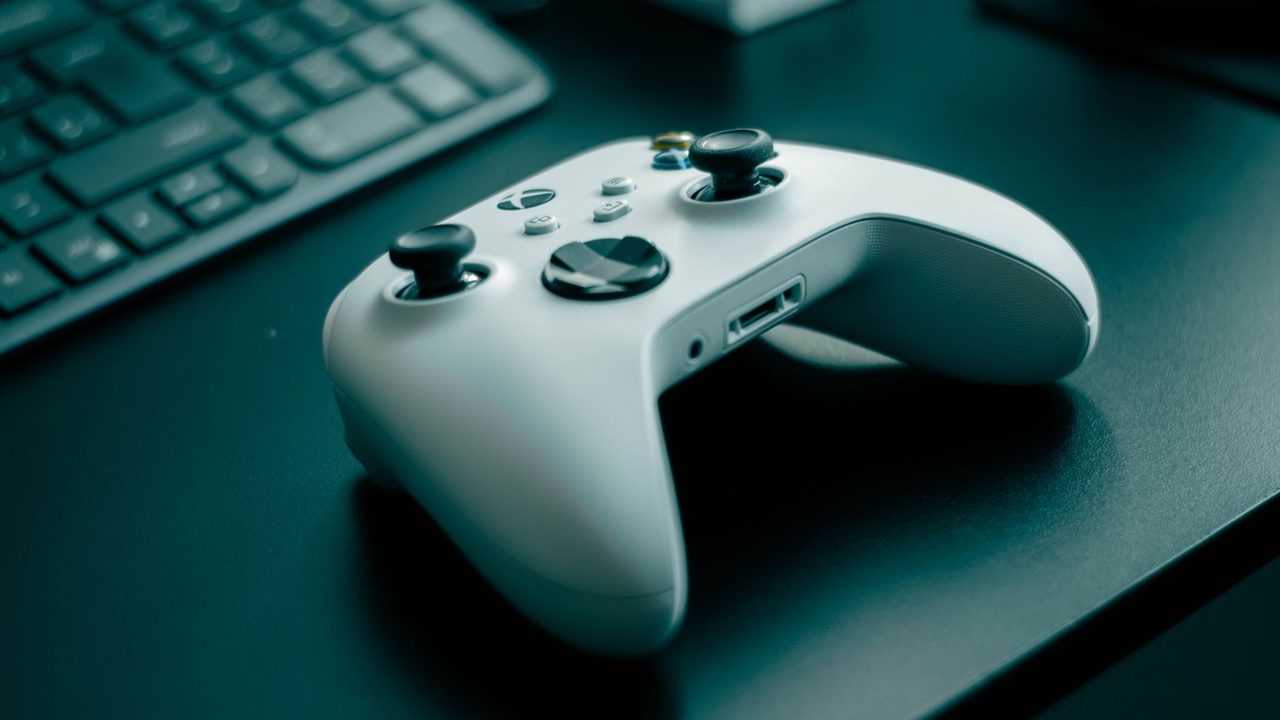
Microsoft says its next-generation Xbox, known as Project Helix, is a console first and a PC second. It is designed to play games from a player's PC, according to details in the company's Xbox 25th Anniversary Magazine, as reported by Windows Central, IGN and Digital Trends.
For players, the practical promise is one place to reach games from several sources, including four generations of Xbox libraries and progress. Pricing, release timing and which PC stores will be supported have not been disclosed.
What it means for players with big game libraries
Jason Ronald, Xbox's vice president of next generation, said Helix is meant to remove barriers to play. According to IGN, he described a setup where a person's whole library is accessible and where progress from four generations of Xbox carries over and is available right away. He also said the arbitrary limits between console and PC games would be removed.
Digital Trends reported that Microsoft wants players to reach PC games without the usual hassles of gaming on Windows, such as driver updates, complicated settings and hardware configuration. Starting a game is meant to be as easy as on a traditional Xbox. Enthusiasts who want more control would still get deeper graphics and performance options. Ronald said hardcore players and power users can customize settings and performance if they choose.
What Microsoft says Helix is, and is not
Many observers had assumed that confirmation of PC game support meant the next Xbox would essentially be a PC that also runs console games. Ronald rejected that reading. "It is not a PC that can also play console games," he said, describing the design goal as a console that can also play games from a player's PC.
Windows Central noted that this wording does not explain how PC game support will work on the hardware. IGN reported that the Xbox CEO, Asha Sharma, has previously described the project as a "family of devices," and that the magazine uses similar language. IGN said it remains unclear when those devices will be shown.
According to Windows Central, Ronald confirmed that Helix will have its own interface rather than reuse the Xbox mode now shipping on some PCs. He called the ROG Xbox Ally handheld a precursor to Helix, and said player feedback on its Xbox mode has changed Microsoft's plans for the future console. Digital Trends reported that the Ally already brings games from different PC storefronts into one library, and Microsoft wants to go further with Helix.
How rising component costs are shaping the design
IGN reported that the gaming industry is dealing with a component crisis that has pushed up the cost of consoles, storage and other hardware. According to IGN, some players have asked Sony and Microsoft to delay new hardware until prices fall.
Ronald acknowledged the difficulty. He said it is a challenging time but also an exciting one for a platform designer, because the team has to invent new technology while keeping products accessible and affordable. He pointed to neural rendering, which he described as a new way to generate a frame without needing more processing power or memory. He predicted more innovation over the next three to five years than in the last 10.
Digital Trends reported that Ronald also suggested the next generation should not be defined by familiar spec targets such as 8K resolution or 240Hz refresh rates. He said it should be defined by new gameplay experiences and more efficient rendering.
On older games, Ronald said preservation is core to Xbox. According to IGN, he said compatibility work is shaping how the platform is built so that games can be played better than before and preserved 20 years or 30 years into the future.
What is still unknown, and what comes next
Digital Trends said questions remain about storefront support, game compatibility, pricing and the final hardware. It reported that Microsoft plans to send alpha hardware to developers in 2027. IGN said Helix has been speculated to arrive as soon as late 2027, but that is a guess, not a Microsoft announcement.
The magazine also calls Helix the crown jewel of a platform that moves with the player. Ronald said Microsoft wants Xbox to feel familiar on every screen, whether a living-room TV, a handheld or a PC, while using each device's strengths.
Around Prague, based on reporting by Windows Central, IGN, Digital Trends