Czechia may give Ukraine 16 Skyfox jets: what we know so far
USD 21,91
Popular
Minister Havlíček discussed in Kyiv a possible delivery of 16 L-39 Skyfox aircraft to Ukraine. He held the talks with Ukrainian Prime Minister Serhiy Koretskyi, who invited Energy Minister Denys Shmyhal and Transport Minister Mykola Kalashnyk to the meeting. “I have a very good feeling about the talks,” Havlíček said.
The minister arrived in Ukraine on Tuesday with representatives of about fifty companies from the energy, engineering and IT sectors. According to him, the two-day business mission also has a political meaning: it is a sign of support for Ukraine, which has been fending off a large-scale Russian invasion for the fifth year.
Why not the L-159
Ukraine had earlier been interested in the L-159 ALCA light attack aircraft from the Czech army's arsenal and held talks with Prague. The planes were to be used against the drones that the Russian army sends at Ukrainian targets almost every night. The government of Andrej Babiš rejected the transfer, saying the aircraft were needed by the Czech military. Chief of the General Staff Miroslav Hlaváč called the matter closed last month, but mentioned possible deliveries of L-39 Skyfox jets.
What is Drone Hunter
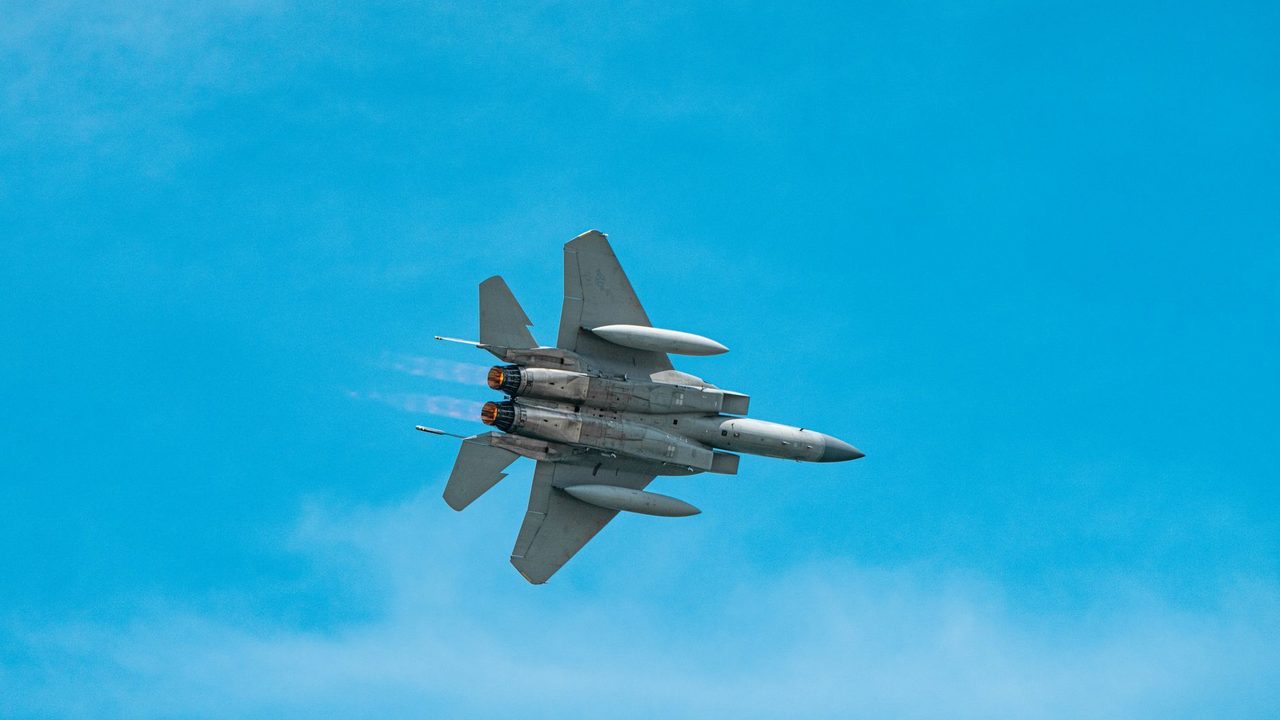
Aero Vodochody currently produces about 12 L-39 Skyfox combat trainer jets a year. According to earlier statements by the company's management, capacity can be raised to 18 aircraft a year. More than 40 of these jets have already been sold, and, as of September this year, production is booked with orders through the second quarter of 2027.
Ukraine would probably be offered the counter-drone version now in development, Drone Hunter. Its job is to destroy enemy drones at significantly lower operating costs than conventional fighter jets. Aero has already shown a configuration with an electro-optical targeting system and pods for 70-millimeter guided rockets. The company is working on their integration and testing, including with the Belgian firm Thales. Drone Hunter has not yet been used in combat, and further testing must confirm its capabilities.
Since 2021, Aero Vodochody has been owned mainly by Hungarian investors and the Czech arms group Omnipol. After changes this year, the largest shareholder is businessman Oszkár Világi with an indirect stake of about 48 percent. Omnipol, owned by the family of Richard Háva, holds 24 percent, the Hungarian state-owned arms holding N7 another 15 percent, and the remaining 13 percent belongs to Hungarian businessman Zsolt Hernádi.
Around Prague, based on reporting by novinky.cz