Steppe Wolves: fighters over 60 now serve in Ukraine’s army
USD 22,31
Popular
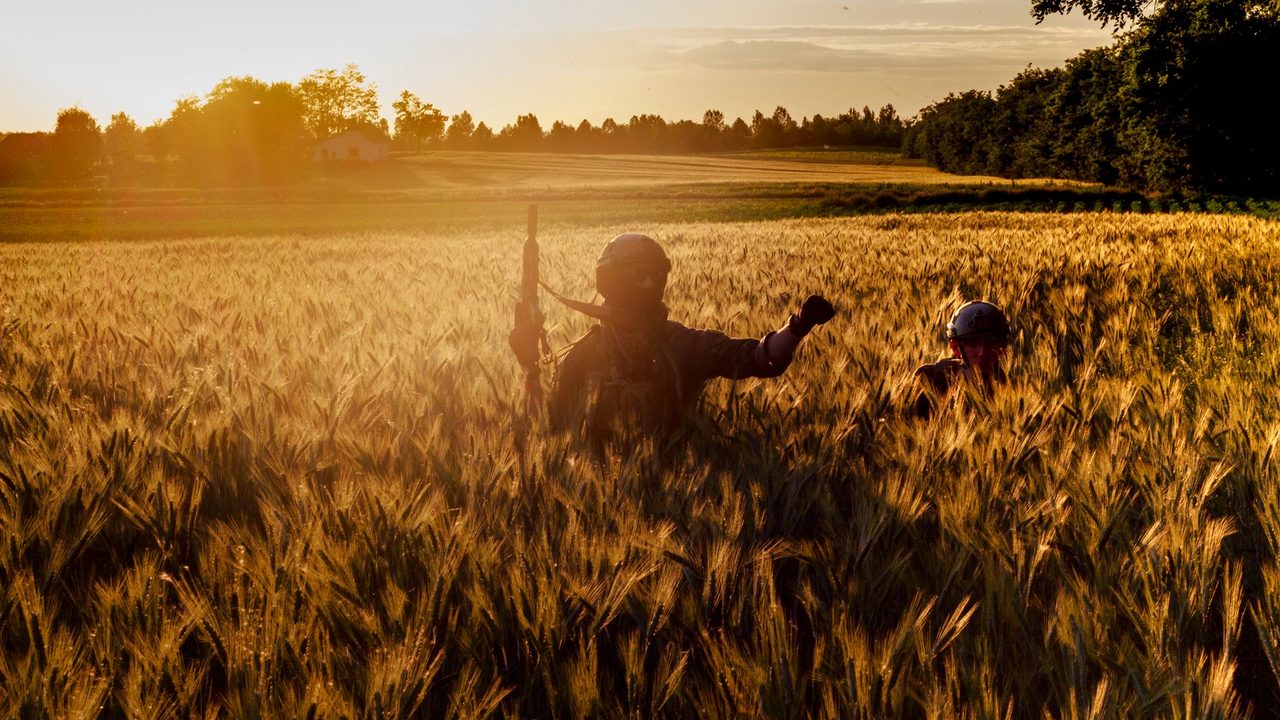
An unusual unit has appeared at the front in Ukraine: volunteers over 60 from the “Steppe Wolves” unit now officially serve in the army. President Volodymyr Zelensky approved a one-year contract for these men, whose age kept them out of the war in 2022.
Who the “Steppe Wolves” are
They came to the front with their own skills and experience. Many were driven by a sense of duty and patriotism, others refused to be written off as useless because of their age, and one is coping with the loss of his son. They have one thing in common: all of them are over 60. American journalists who visited the unit told their stories and described their motives.
The reporters found the fighters determined but bitter: at the time of the visit, the country’s political leadership still did not “recognize” them as an important part of the army. “No one can forbid me, at any age, to defend my country, my homeland and my family,” said the 65-year-old commander with the call sign Ded. “If we can’t fight officially, we’ll fight unofficially,” he added. He is the one who founded the unit.
What the veterans do
This is not about nostalgia or lifting morale at the sight of gray-haired fighters on the line. The Steppe Wolves have practical skills that often prove very useful, which makes them not just support but a dangerous force. Ukrainian troops bring them faulty missiles, Ded’s group repairs them and keeps some for itself. The army sends coordinates and targets, and sometimes even adds ammunition. As a result, missiles that the Russians recently tried to use against Ukrainian soldiers and civilians sometimes fly back at them. Faulty missiles are also found right on the battlefield, and these too can be repaired.
One of the craftsmen is a 64-year-old fighter with the call sign Dnipro. Reporters watched him work on a broken detonator in a cramped workshop that smelled of gunpowder. Like Ded, he protests against “age discrimination” and says his only physical limitation is glasses for driving. “We don’t feel old. Young, of course, we aren’t either, but not old. With age everyone gains experience,” he said.
Personal motives
His comrade Arsen, two years older, joined the unit for a different reason: his son was killed in the war in the summer of 2024. When the son joined the army that January, his father felt anxiety but also pride that he was “defending his homeland and not hiding behind his mother’s skirt.” The letter about his death came far too soon. For half a year Arsen lived in deep grief and avoided people, until he realized he “had to do something.” “My son fought for me. Now I fight for him. There was no other way,” he said. His wife did not want to lose her husband too, but in the end gave in: “Go, I understand.” In the unit, Arsen says, he found a second family.
Others were brought in by the physical shape they kept in retirement. For example, 68-year-old Petro, a former professional weightlifter and coach, walks with his arms held out to the sides as if he had just lifted a barbell. “Staying in shape matters especially now, because missiles are heavy,” he explained after a workout in a makeshift gym. Petro lamented that if the fighters died, their families would get nothing: no money and no social payments. That is no longer the case: they have become official members of the army by signing a one-year contract. Petro’s complaint will apparently soon fade, since, as he knows, what brought him to the front was something else: the desire and determination to drive the aggressor out of his home country.
Around Prague, based on reporting by seznamzpravy.cz