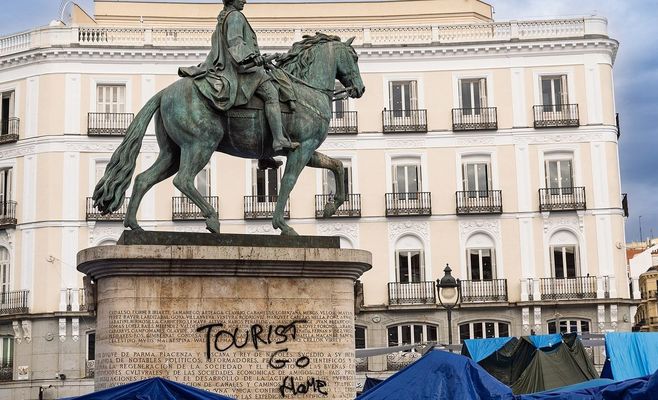
4 Million Spanish Workers Strike Over Housing, Weeks Before National Election
USD 22,01
Popular
Millions of workers in Spain walked off the job on Nov. 11 in the country’s first general strike in 14 years, protesting a housing crisis that has pushed rents far beyond what many households can afford, Time reported. Unions said the action was a success. Employers said it failed.
The strike came weeks before Spain’s Nov. 29 national election, in which rents and the cost of living have become central issues. Time reported that Prime Minister Pedro Sánchez’s government called the snap election last month after an 87-year-old tenant was evicted and later died, setting off days of mass protests.
The strike by the numbers
- 4 million: Workers who took part, according to unions, which Time said is around 17% of a workforce of 23 million. The tenants’ union said it expected the total to reach 5 million by the end of the day.
- Less than 5%: The share of workers the employers’ confederation CEOE said took part. It called the strike a failure.
- 14 years: The gap since the last nationwide general strike, held in 2012 over spending cuts and labor reforms.
- 75 arrests: The number police reported across the country as of Wednesday night, along with at least 1,044 incidents linked to the strike.
- 87% vs. 30%: El País reported that rents rose 87% between 2015 and 2025, while wages rose around 30%.
- 750,000: The housing shortfall in homes, which the Bank of Spain said could exceed a million by 2028.
Who organized it and who stayed out
The strike was organized by Spain’s two largest unions, the General Union of Workers (UGT) and the Workers’ Commissions (CCOO), together with tenants’ associations and other unions. Several unions declined to join, citing how close the strike was to the election. Backers said it was nonpartisan and aimed at governments of any party.
In an unusual move, Sánchez’s government publicly backed the strike. Sánchez said it was not against anyone and that all public institutions should act on housing. Opposition politicians accused the government of stoking it for political gain. Miguel Tellado of the conservative Popular Party called it an electoral strike, and party leader Alberto Núñez Feijóo said it was aimed against the opposition.
On the streets
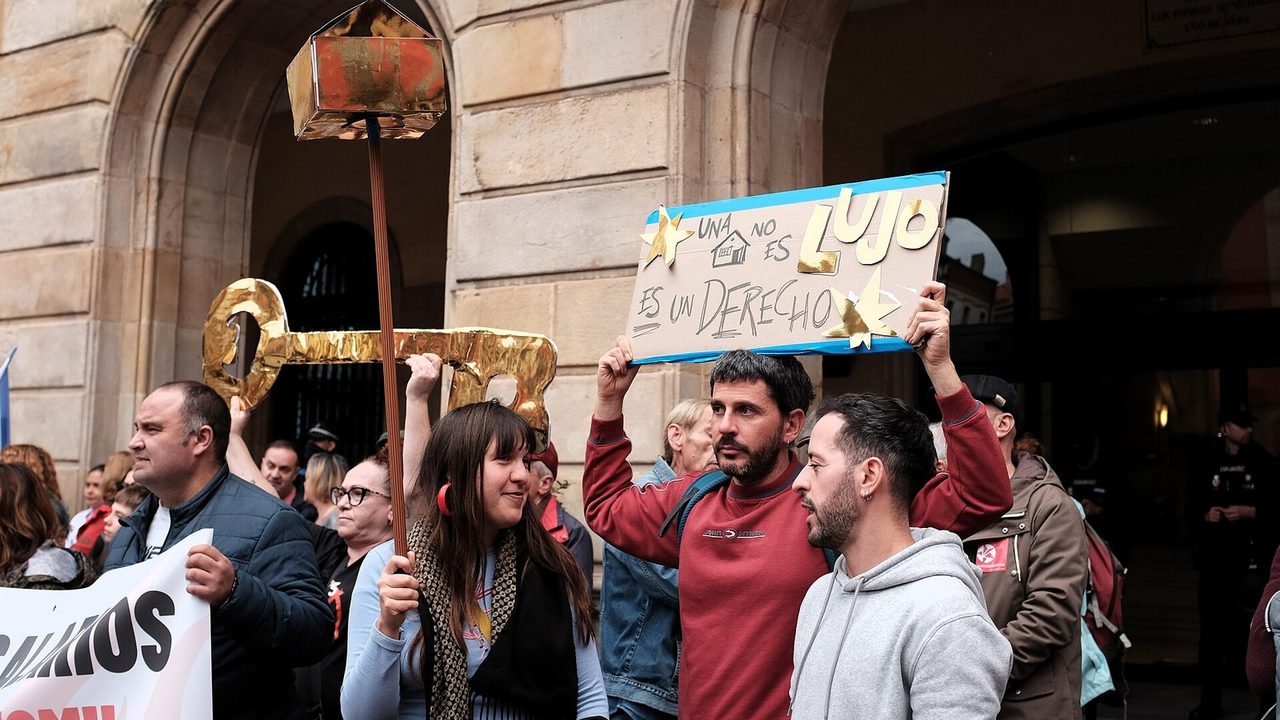
Hundreds of thousands of people marched in cities including Barcelona, Madrid and Valencia, Time reported. In Madrid, protesters linked arms and blocked Gran Vía, the main shopping street, and shops including H&M and Stradivarius temporarily closed as they passed. Unions reported the strongest support in coastal areas, at ports and in the car industry, including a halt to production at Seat’s Martorell plant and majority backing at Volkswagen’s factory in Navarre.
Unions described the protests as largely peaceful. Police in Barcelona said protesters smashed shop windows, burned rubbish containers and launched fireworks at officers. CCOO Madrid said it planned a criminal complaint over what it called a disproportionate police response, after riot police used batons and pepper spray in Madrid, allegedly injuring 20 people.
What it means for renters and voters
The numbers behind the strike show why housing has moved to the center of the campaign. Rents have climbed much faster than pay, and more people are renting as buying a home becomes harder, according to Time. The September eviction of 87-year-old Maricarmen Abascal, whose landlord sought to raise her rent fivefold, became a flashpoint. The landlord later agreed to let her return without a rent increase, but she died in hospital two weeks after the eviction.
The dispute over turnout shows how divided the sides are. Unions put the count at 4 million, employers at under 5% of workers. The government hopes voters will blame the opposition for blocking new housing measures, Time reported, while the opposition argues the strike is meant to help the government. Voters will have their say on Nov. 29.
Read next
Spain’s First General Strike in 14 Years Ends in Clashes Over Housing Costs
How One Woman's Eviction in Madrid Led to Protests and an Early Spanish Election
What Spain’s Rent Fight Means for Tenants as a Snap Election Looms Nov. 29
Around Prague, based on reporting by Time Magazine
Cover photo: Neil Cummings / Wikimedia Commons, CC BY-SA 4.0, cropped