What Spain’s Rent Fight Means for Tenants as a Snap Election Looms Nov. 29
USD 21,75
Popular
Spanish renters will not get the rent-increase limits and eviction protections the government proposed, at least for now. Parliament rejected the measures this week, and Prime Minister Pedro Sanchez has called a snap general election for Nov. 29, The Independent reported.
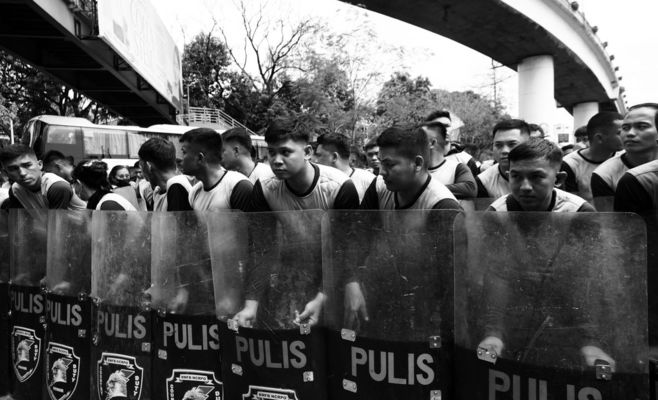
The vote came as tens of thousands of people joined protests sparked by the death of 87-year-old Maricarmen Abascal, who had been forcibly removed from the Madrid apartment where she had lived for more than 70 years.
What the rejected measures would have done
According to The Independent, Sanchez responded to the protests by proposing a cap on rent increases, protection for vulnerable tenants against eviction and several other policies meant to slow price rises. Parliament struck them down this week.
Parties on the left accuse the right of blocking legislation aimed at curbing soaring rents. The right says the left has had eight years in government to act, the newspaper reported.
The case behind the protests
Abascal lived in her home for decades until an investment fund, Urbagestion, bought the building. Her rent was first raised from €500 a month to €2,650, a rise of 230%, then reduced to €1,650. Her monthly pension was €1,350, so she still could not pay it, according to The Independent.
She lost a lengthy legal battle over the increases and was evicted on Sept. 23, after Spanish courts had blocked three earlier attempts. Before the eviction she told reporters she did not want to leave. She was carried away on a stretcher and later admitted to hospital with severe anxiety and exhaustion. While there, she reached a deal to regain her home, but she died on Wednesday before she could return.
What it means for renters and voters now
For tenants, the immediate result is that no new national limit on rent increases or new eviction protections has passed. Housing policy is now likely to be a central issue in the Nov. 29 vote, since the protests and the rejected proposals directly led to the election call.
Public opinion appears to favor intervention. A survey by the state pollster CIS, conducted in June, found that 76.3% of Spaniards supported intervening in the market to guarantee access to housing. It also found that 79% believe the right to housing should take precedence over treating homes as a market commodity.
Younger Spaniards have been prominent among the demonstrators. A 19-year-old student, Jorge Moreno, told the BBC that investment funds have long made a business of housing that keeps Spaniards from living in a decent home. Alex Marinero, a 21-year-old protester, described Abascal as a symbol of resistance and unity.
How the parties are trading blame
The Madrid Tenants Union called her case a “turning point in the history of this country.” Protesters camped in squares in major cities, and marchers carried placards demanding “not one more Maricarmen.” Mourners left flowers, candles and children’s drawings outside her building on Thursday.
Lawmakers accused one another of exploiting the case. The conservative People’s Party, which holds absolute majorities in the Madrid regional and city assemblies, declined to hold a minute of silence for Abascal. Hard-left deputies held one outside City Hall instead.
Madrid regional leader Isabel Diaz Ayuso of the People’s Party blamed Sanchez, noting that the eviction took place under his government. Manuela Bergerot, the opposition leader from the leftist Mas Madrid party, said Abascal died because of people who put profit above a human life. She also criticized Ayuso for joking on Sept. 28 about when she could stop paying her landlords.
What happens next
Spaniards vote in the general election on Nov. 29. Demonstrations over housing were continuing in the country’s main cities, according to The Independent.
Source: The Independent