Germany Lets Spies Sabotage Abroad After Bundestag Vote
USD 22,10
Popular
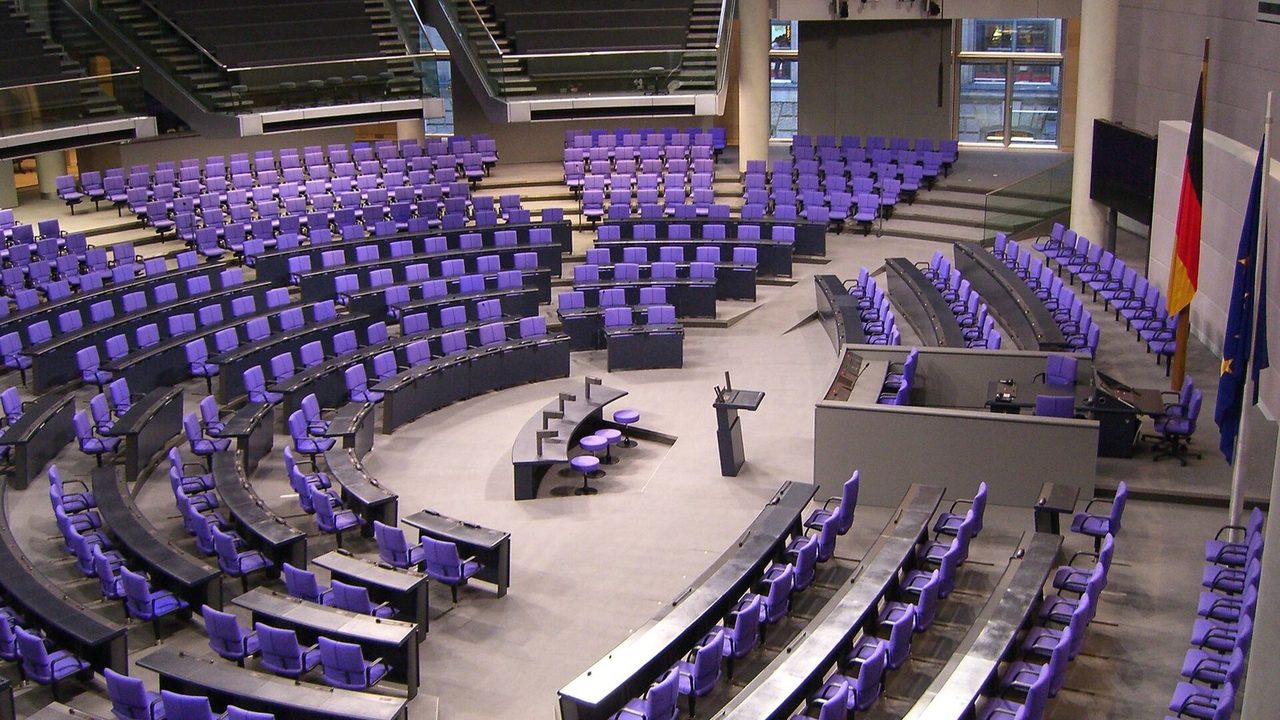
Germany's parliament has approved a major overhaul of the rules for its intelligence services, allowing them to act against threats instead of only collecting information. The Bundestag passed the law on Friday, according to the BBC and Al Jazeera, and the government says it is needed to counter espionage, terrorism and sabotage.
The reports give slightly different vote counts. The BBC said 309 lawmakers voted yes, while Al Jazeera put the figure at 308. Both agree that 190 voted no and 71 abstained.
What does the new law change?
Until now, German intelligence has mainly focused on gathering information, a legacy of the country's history, the BBC reported. The reform widens the role of both the foreign intelligence service, the BND, and the domestic service, the Federal Office for the Protection of the Constitution, known as the BfV.
The government argues that agencies could sometimes identify a threat but lacked the authority to step in, including in cases where no other agency was responsible or able to act, Al Jazeera reported.
What will the BND be able to do?
According to the BBC, BND officers will be able to carry out covert operations abroad, including sabotage. That could mean paralyzing the servers of state-sponsored hacker groups, disrupting disinformation networks or interfering with weapons supply chains. Al Jazeera likewise said the BND could disrupt servers used by state-backed hackers.
What will the BfV be able to do?
The BBC said that, for the first time, BfV agents will be able to take protective action against property and IT systems when a specific threat has been identified. Examples listed include dismantling or disabling explosives or weapons, diverting or blocking data flows during cyberattacks, and deleting or falsifying data stored for malicious purposes. Al Jazeera gave a similar example: deleting stolen information from an attacker's server.
Under certain conditions, BfV agents may also secretly enter homes, though the BBC said such a step must always be approved in advance. The agency also gains wider digital surveillance powers, including monitoring encrypted communications, carrying out online searches, and using AI-supported data analysis and biometric image matching on the internet.
Why does the government say it is needed?
Interior Minister Alexander Dobrindt, who championed the bill, called it a “reform of the century.” He said Germany faces hybrid threats and is a target of terrorism, extremism and foreign powers. The government points to a rise in foreign espionage, particularly from Russia, China and Iran, the BBC reported.
Officials also cite an incident in August, when a drone carrying an explosive device was found at Leipzig airport near cargo planes of the Ukrainian firm Antonov Airlines. According to the BBC, the bomb did not go off, apparently because of a faulty detonator. Berlin accused Russia of being behind the attempted attack, Al Jazeera reported. Russia denied involvement. The dispute led to the closure of a Russian consulate in Bonn and a Russian cultural center in Berlin, and Moscow responded by ordering the closure of a German consulate in St. Petersburg and the Goethe-Institut.
Florian Bigge of the think tank Korber-Stiftung told Al Jazeera that Russia is the main trigger for the change, citing sabotage, cyberattacks and drones. He said the BND has publicly sought expanded powers since 2024.
What do critics say?
The governing Christian Democrats and Social Democrats backed the reform, while the far-right Alternative for Germany and the Left Party opposed it, according to Al Jazeera. Clara Bünger, the Left Party's security spokeswoman, told public broadcaster ARD that the law gives the secret service executive powers and erodes the separation between intelligence and police, which she described as a lesson learned from the Nazi era. She said Dobrindt is creating a new German secret police. Dobrindt has rejected that, calling the idea madness, the BBC said.
In a parliamentary motion, the Left Party argued that key provisions fail to meet constitutional standards for intrusive surveillance, Al Jazeera reported. Sonja Eichwede of the Social Democrats, part of the governing coalition, said the changes would help make German democracy robust and resilient.
What does this mean for people in Germany?
For ordinary residents, the main change is a shift in who can act and how. The law gives intelligence agencies, not only police, tools to intervene in cyber incidents and to monitor encrypted communications and online activity under defined conditions. Bigge said criticism so far has come from lawmakers and civil liberties groups, and that a broader public debate may still follow as the state expands what it can do abroad.
When does it take effect?
Al Jazeera reported that the main provisions are scheduled to take effect on Dec. 31, pending completion of the legislative process.
Read next
Germany's Gen Z Protests Turn Violent in Frankfurt After Mostly Peaceful Day
Burnham Says Russia Interfered in 2016 Brexit Vote, a Break With Past Governments
Hoax Bomb Threats Keep Grounding Flights Across Europe; No Explosives Found
Around Prague, based on reporting by BBC News, Al Jazeera
Cover photo: Times / Wikimedia Commons, CC BY-SA 3.0, cropped