Germany's Gen Z Protests Turn Violent in Frankfurt After Mostly Peaceful Day
USD 21,81
Popular
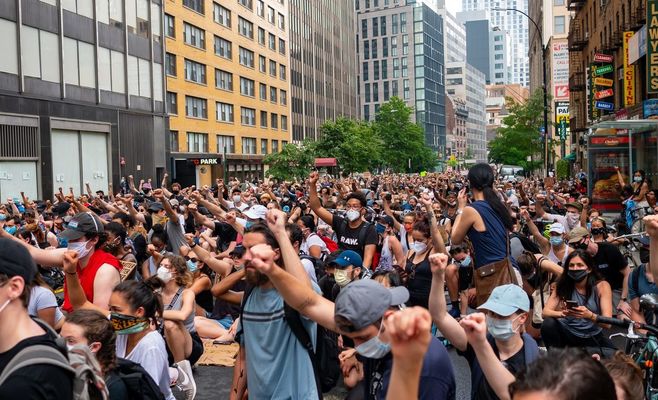
Demonstrations organized by a youth-led campaign group drew thousands of people across Germany on Saturday, but the day ended with looting in central Frankfurt and clashes with police in several cities, according to the BBC. Turnout fell well short of what organizers had predicted, and the numbers differ depending on who is counting.
The group, called Gen Z regelt, which means "Gen Z takes charge," says it opposes compulsory military service and wants more money for schools and health care, along with a fairer sharing of the burden of rising living costs. The rallies coincided with Halloween.
The protests by the numbers
- 34 cities: The Independent reported that rallies were planned in that many places, including Berlin, Frankfurt and Munich.
- 182,000: The turnout organizers had initially expected, according to The Independent.
- 6,000: The number of protesters police in Frankfurt, Munich and Berlin reported on Saturday afternoon, The Independent said. It compared that with around 36,000 listed on the organizers' website.
- 18,000: The BBC cited authorities in the same three cities as reporting as many as this many protesters, roughly half of the organizers' own estimate. The two outlets' figures differ, and they may reflect different times of day.
- 320,000: The BBC said more than this many people demonstrated in France on Saturday in similar youth-led protests.
- 100: Roman Poseck, the interior minister of the state of Hesse, said around this many "clearly identified left-wing extremists" had infiltrated the protest in Frankfurt.
How a peaceful day turned violent
The BBC reported that protests during the day were largely peaceful, but the mood changed as night fell. Frankfurt police wrote on X that violent riots were under way in the city center. Police said shop windows were smashed and Molotov cocktails were thrown at emergency services. Officials later said a gun shop's windows were broken and that two weapons were seized after a suspect was arrested.
A large section of Frankfurt's main shopping street was closed off by police, AFP news agency reported, according to the BBC. A police spokesperson said many arrests were made in the city. There were also incidents of violence in Berlin, Cologne and Hamburg, where police said they used water cannon to disperse protesters who targeted emergency workers with fireworks, stones and bottles.
What organizers, students and officials say
Gen Z regelt spokesperson Lina Friedrich said the demonstrations were meant to stand up for peace and freedom rather than war and coercion. She said the group's top priority is better support for the health and education systems.
An 18-year-old named Steve, who was due to speak at a rally in Munich, told Chancellor Friedrich Merz that the government had answered young people's concerns only with more cuts and more burdens, The Independent reported. A student at the Technical University of Berlin, Sean Baker, told Reuters he joined to call attention to the poor state of buildings on his campus.
Poseck, speaking about the images of unrest in France, said France must not be held up as a model. He also called the way the Frankfurt protest ended shameful. Germany's federal interior ministry had warned before the rallies that parts of the far-left extremist scene and some groups linked to foreign extremist movements had joined efforts to mobilize support.
The Independent also reported that questions have been raised about who is really driving the campaign and whether it is truly youth-led, given the broad mix of political and civil society groups involved. Germany's national school student umbrella organization, BSK, has distanced itself from the initiative. Its secretary-general, Amy Kirchhoff, said the group is not distancing itself from students and their legitimate concerns. BSK plans a separate day of protest on Nov. 20.
Why it matters for people in Germany
The unrest hit everyday life in the affected cities. The Independent reported that some businesses boarded up windows and planned early closures ahead of the demonstrations, including along Berlin's luxury Kurfuerstendamm shopping boulevard. In Frankfurt, a major shopping street was partly closed and shops were damaged.
The protests also point to wider strains. The Independent noted that Germany, Europe's largest economy, is struggling to revive economic growth and faces mounting pressure on pensions and public services as baby boomers retire and the working-age population shrinks. Those pressures are at the center of the demands from young protesters over education spending, living costs and military service.
What comes next
The next scheduled action is the separate student protest planned by BSK for Nov. 20. Authorities have not announced further steps in response to the Frankfurt violence beyond the arrests police described.
Around Prague, based on reporting by The Independent, BBC News