Russia utility prices up 13%: how families are coping with costs
USD 21,57
Popular
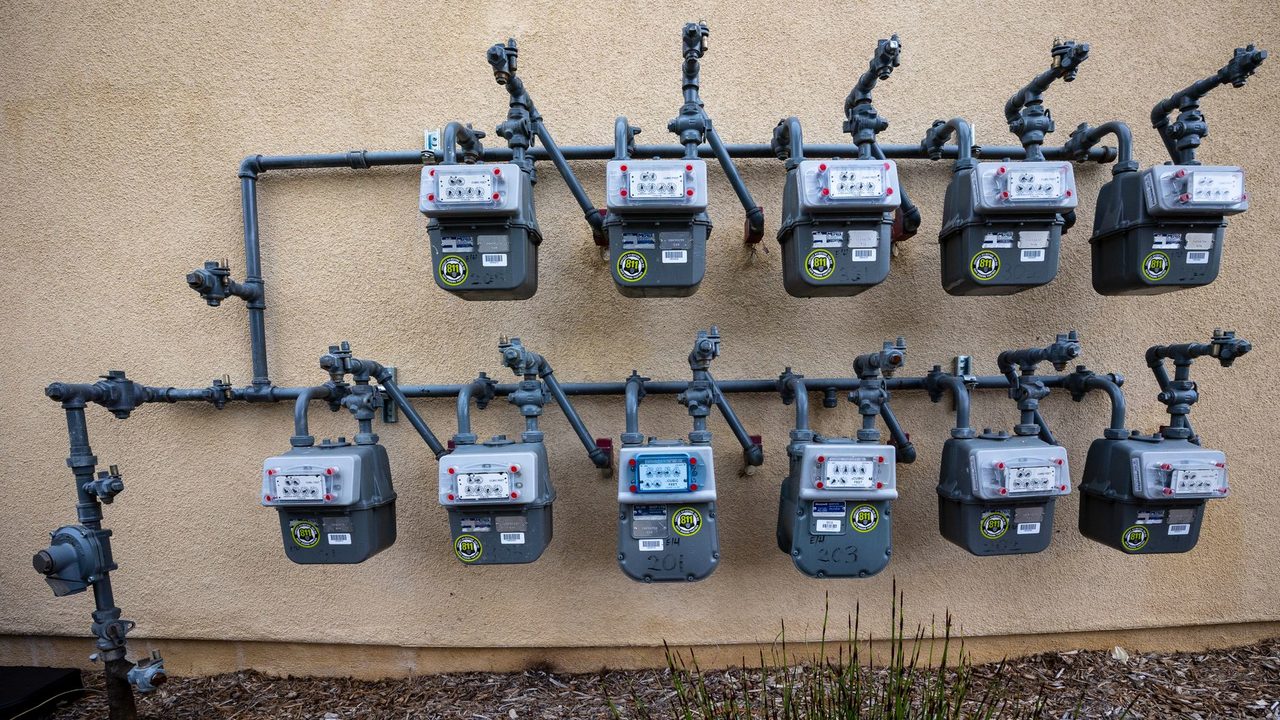
Housing and utility tariffs in Russia rose on October 1. According to Reuters, they are up more than 13% over the past year, and since the start of the war in Ukraine in 2022, Russians have been paying more than 50% extra for housing and energy. The increase has hit family budgets hard: people are looking for side jobs and cutting back on food.
The bill is up by a quarter
Ibragimova, a 34-year-old mother of two, told Reuters that at first she suspected her children, thinking they had spent too long in a hot bath. But after going through the bill line by line, she realized prices were to blame. Since the summer, the family's bill has risen by about a quarter, to 12,000 rubles (roughly 3,300 crowns).
She works part time, and her salary advance, which is about half of her income, no longer covers the housing bill. “Normally my advance comes in and I pay right away. This time I had to top it up, and that was pretty unpleasant,” she says.
The family doesn't want to tighten its belt and would rather earn more. One more tutoring student would cover the increase, but there is a catch: she is losing some students because they won't accept higher prices. “Everyone needs to eat, but studying is supposedly optional,” the woman at the center of the report says with a shrug.
Groceries and savings
Food weighs on her the most. “Prices are rising terribly, I simply can't keep up,” she admits. She only buys whole chickens, cuts them into portions and freezes the broth. “I'm starting to feel like a Soviet housewife trying out all sorts of tricks.”
A hike after the elections
Utility tariffs in Russia go up every year because of inflation. This year, however, the increase took effect only on October 1, after the September State Duma elections. Regions approved one of the sharpest increases in recent years.
Even politicians who usually back the Kremlin were outraged. Communist Gennady Zyuganov complained to Putin personally: for his Moscow apartment he pays more than 30,000 rubles a month, which is more than the average Russian pension. State Duma Speaker Vyacheslav Volodin called on the prosecutor's office and the antimonopoly service to step in against “people who have neither moderation nor conscience.”
Inflation as the main problem
The Russian authorities consider inflation the economy's biggest problem. It is being driven by military spending and a labor shortage, and this year it has been compounded by pricier gasoline after Ukrainian drone attacks on oil refineries. In October, the Central Bank kept its key rate at 14%. Central Bank Governor Elvira Nabiullina warned that higher energy prices will only reinforce people's belief that prices will keep rising. According to the bank, such expectations are now at their highest in two years, and it relies on them when making rate decisions.
“Keeping inflation at four percent with tariffs like these will be even harder, and it will require tighter monetary policy,” says economist Dmitry Polevoy.
Small businesses, which already had to absorb a tax increase this year, are also suffering. “For long-established venues it's a bit painful but bearable. For newly opened ones the effect is noticeable, because the costs of opening have gone up,” says Anastasia Zapoteeva, manager of the Moscow bar Onegin. The energy price hike also coincided with rising prices for food and alcohol. “We meet customers halfway and hold our prices as long as we can. But from time to time we have to raise them, because tariffs keep rising,” she adds.
Around Prague guide on this topic: Work in Prague and Czechia
Around Prague, based on reporting by seznamzpravy.cz