Spain Mourns 69 Rail Crash Victims as Strikes Disrupt Travel and Work
USD 21,70
Popular
Spain held a state funeral Tuesday for the 69 people killed in a high-speed train collision last month, while a train drivers' strike disrupted rail travel and a general strike on Wednesday is expected to slow public transit, businesses, factories and shops across the country, according to ABC News and The Independent.
The ceremony took place in Toledo Cathedral in central Spain, with King Felipe VI and Queen Letizia seated near the families of the victims. Prime Minister Pedro Sánchez did not attend.
What it means for travelers and workers
Rail travel in Spain was disrupted Tuesday by the drivers' strike. ABC News and The Independent both reported that Wednesday's general strike is expected to cause further problems for public transit and to shut or slow many workplaces. Anyone planning to move around the country or rely on shops and services should expect disruption, according to those reports.
The crash has also shaken confidence in a network that carried 45 million travelers last year, including millions of tourists. Sánchez has promised an investigation and improvements aimed at restoring trust.
What happened at the crash site
The collision occurred Oct. 28 on the Madrid-Seville line near Urda, about 140 kilometers (87 miles) south of the capital, when a high-speed train hit another that was stationary. It was the second deadly collision this year on Spain's high-speed network, which many Spaniards regard as one of the country's crowning achievements.
The funeral in Toledo
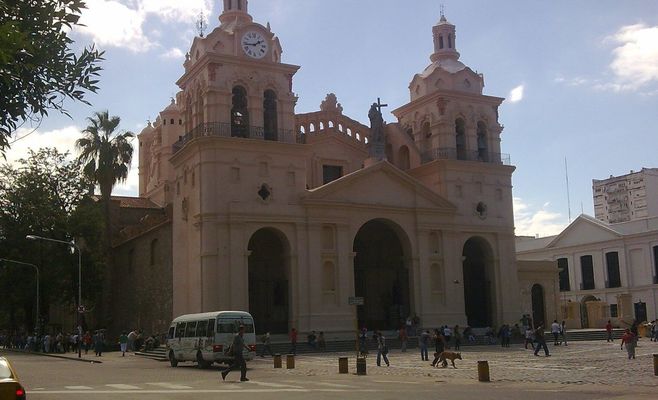
The service was held in the 13th-century cathedral almost two weeks after the crash. A 16th-century sculpture of Christ was brought from Urda for the occasion. Residents of Urda placed 69 candles near the altar to honor the victims.
Political fallout
Pressure on the government has been growing. Transport Minister Óscar Puente resigned last week, followed by Luis Pedro Marco, who headed the national railway infrastructure operator.
The European Union's independent prosecutor said last week it had opened an investigation into possible fraud involving European funds that were set aside for safety upgrades and renovations on the same line where both of this year's fatal crashes took place.
Why the crash matters beyond the funeral
Spain's high-speed network is extensive and widely praised, and The Independent described it as long considered one of the country's principal accomplishments. Two deadly collisions in a single year have damaged public confidence in it, according to both outlets, and the loss of trust is now part of the political debate ahead of the vote.
The prosecutor's fraud investigation focuses on money meant for safety upgrades on the very line where both fatal accidents occurred this year, which adds a financial dimension to questions about the network's safety. No findings from that investigation have been announced.
What happens next
The funeral came almost two weeks after the crash, and the political consequences are still unfolding. Spain holds a general election on Nov. 29, in which Sánchez, a progressive, is seeking reelection. The general strike comes Wednesday, and Sánchez has pledged a full inquiry into the crash and safety improvements.
Read next
Spain Rail Crash: Official Toll Stands at 30 as Investigators Probe Cause
What the Spain Train Collision Means for Rail Travel Between Madrid and Andalusia
Spain Postpones 24 Copa del Rey Games After Deadly High-Speed Train Crash
Around Prague, based on reporting by ABC News, The Independent