What the Spain Train Collision Means for Rail Travel Between Madrid and Andalusia
USD 21,83
Popular
Two high-speed trains collided Wednesday morning in central Spain, killing at least 10 people and halting high-speed rail service between the Madrid region and Andalusia, according to CNN, CBS News and Al Jazeera. Authorities have warned that the death toll is likely to climb.
The crash happened in Toledo province, between the towns of Mora, Orgaz and Urda, according to the railway infrastructure manager ADIF. Both trains were traveling the Madrid-Seville route. The cause has not been determined.
What happened on the line
Esther Padilla, a spokeswoman for the Castilla-La Mancha regional government, told Spanish state broadcaster TVE that the trains were heading in the same direction when one hit the rear of the other, which was stopped. CBS News and Al Jazeera both reported that the impact derailed two cars.
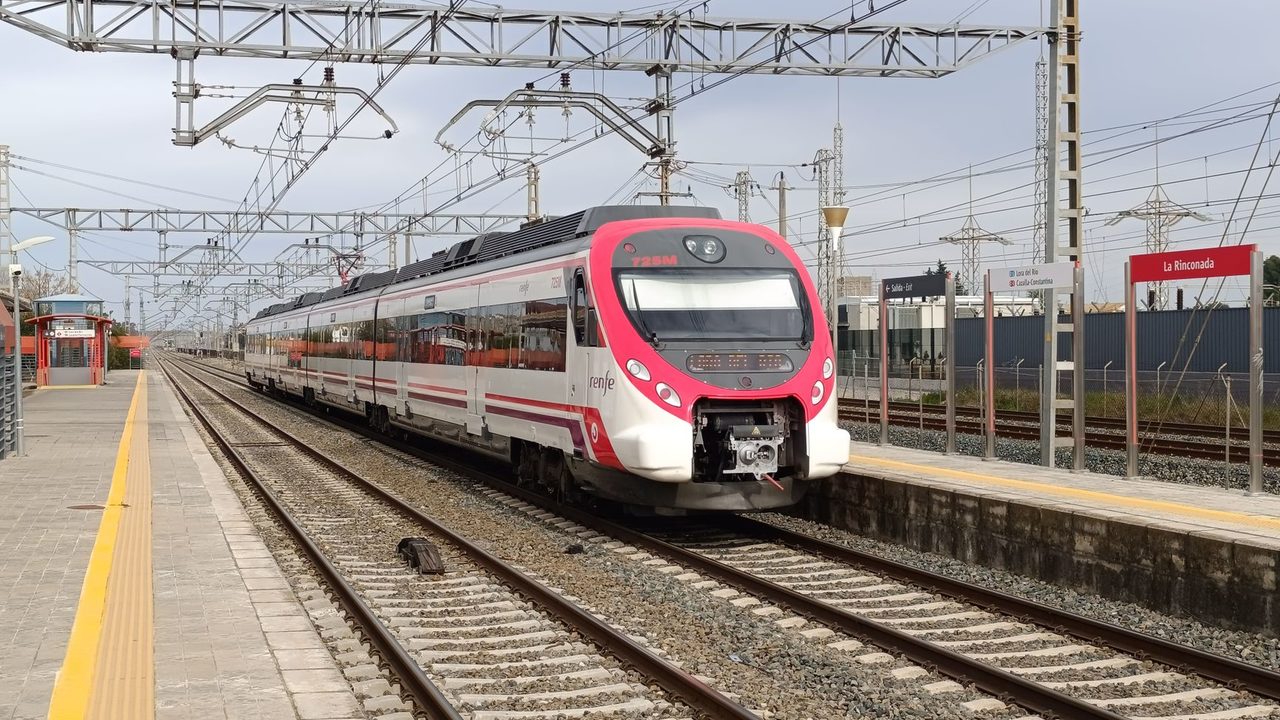
One train was operated by the state-owned company Renfe and the other by the private company Iryo. Al Jazeera, citing emergency service sources quoted by the Spanish newspaper El País, reported that two cars of the Iryo train fell down an embankment.
Padilla said 397 passengers were aboard the Renfe train. She put the number on the Iryo train at 147, according to CBS News and Al Jazeera. CNN reported a slightly different figure for the second train: 146 passengers and a baby. Padilla said authorities could confirm 10 deaths but that the number would "surely rise."
What it means for travelers and the rail network
The most immediate effect is on rail service. ADIF suspended high-speed service between Madrid and Andalusia, CNN and Al Jazeera reported. CBS News described the suspension as covering the route between Madrid, Ciudad Real and Andalusia. None of the outlets said when service might resume.
The suspension affects one of Spain's main north-south corridors, which links the capital with Seville and the wider southern region. Reports did not say how many other services or passengers are affected beyond the two trains involved.
Foreign governments are also checking on their citizens. Italian Foreign Minister Antonio Tajani said on X that Italy's consulate in Madrid was trying to determine whether any Italian nationals were among those affected and was ready to help.
The emergency response
Mayor Manuel Galán of Urda told TVE that civil protection authorities had asked his town hall to prepare a sports pavilion to receive injured passengers. He said passengers had been hurt. The mayor of Los Yébenes, Jesús Pérez Martín, told TVE that officials had very little information early on.
According to the Spanish newspaper El Mundo, firefighters from surrounding towns were deployed along with three medical helicopters and two mobile intensive care units. Madrid Mayor José Luis Martínez-Almeida said on X that the capital was sending emergency medical teams and firefighters. Al Jazeera, citing El País, reported that the Civil Guard sent a specialist disaster investigation team to the site.
Prime Minister Pedro Sánchez said on X that he was shocked by the incident. He said he was in contact with Transport Minister Óscar Puente and with Emiliano García-Page, the regional president of Castilla-La Mancha, who said he was heading to the scene. Sánchez also offered support to the victims and their families.
A second major rail accident this year
The collision comes nine months after a train derailed and struck an oncoming train near Adamuz in southern Spain, killing 45 people, according to Al Jazeera. CBS News and Al Jazeera both described that crash as the country's deadliest rail accident since 2013, when 80 people died. CBS News reported that the January accident shook public confidence in Spain's extensive high-speed network, and that trains from Renfe and Iryo were also involved in that crash.
What to watch next
The investigation into the cause is only beginning. Officials have not said how many people were injured, and the death toll could rise, according to Padilla. There is no announced timetable for restoring the Madrid-Andalusia high-speed line.
Around Prague, based on reporting by CNN, CBS News, Al Jazeera