What the UAE Oil Spill and Beach Closures Mean for Residents and Visitors
USD 21,78
Popular
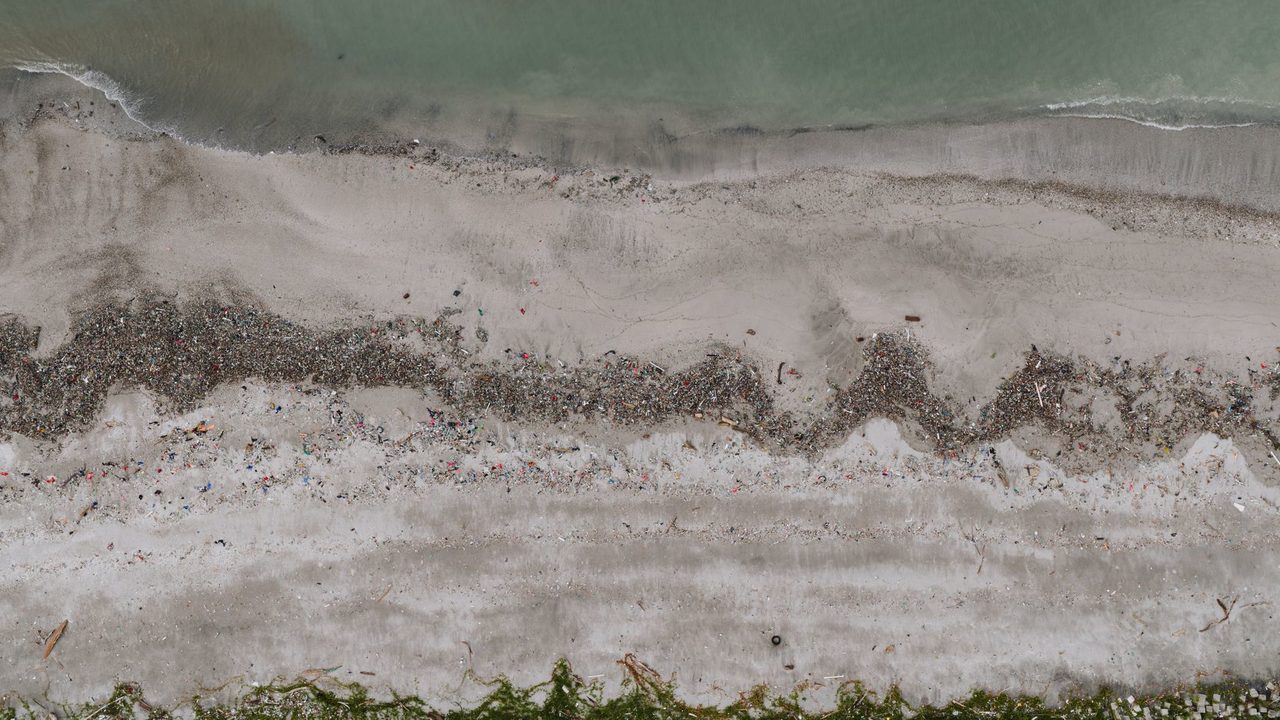
Beaches in three northern emirates of the United Arab Emirates have been closed after an oil spill from a damaged tanker spread toward the coast. Authorities in Umm Al Quwain, Sharjah and Ras Al Khaimah have restricted access to shoreline areas, and Ras Al Khaimah said its beaches would stay shut until further notice.
Reuters reported on Oct. 26 that satellite images from the European Union's Copernicus network, dated Oct. 24, show the slick has widened over several days and is nearing the shores of Umm Al Quwain. Travel Tomorrow reported that the spill is estimated to cover 160 km².
What is closed and where
- Umm Al Quwain: the UAE Ministry of Climate Change and Environment said all beaches and coastal areas around Umm Al Quwain city are temporarily closed.
- Sharjah: authorities shut access to Al Hamriyah Beach as a precaution, according to Reuters.
- Ras Al Khaimah: officials said on Saturday that all beaches in the emirate would be closed until further notice.
The ministry said the closures would last until technical teams finish their assessments and determine what safety and marine protection measures are needed.
Which tanker is involved, and what is unclear
UAE authorities have not named the vessel or said what caused the spill. Experts told Reuters the oil is coming from a tanker called Gem No. 2, which shipping sources said was struck by an unidentified projectile and caught fire. Reuters described the fire as later extinguished.
Reports differ on timing. Reuters said the strike happened last month, while Travel Tomorrow said the Panama-flagged supertanker was hit on Oct. 9, about 13 nautical miles west of Al Jazeera in the UAE. Travel Tomorrow also reported that all 22 crew members were rescued by the UAE Coastguard, and that Iran's Revolutionary Guard released footage of the vessel burning.
The spill comes as attacks on commercial ships in Gulf shipping lanes have raised security and environmental fears during the war between the United States, Israel and Iran. Reuters, citing data from the Washington Institute for Near East Policy, said October has been the worst month for such attacks in the Strait of Hormuz and nearby waters.
What this means for residents, visitors and fishers
For people living in or visiting the affected emirates, the most immediate change is lost beach access. Anyone planning a beach day in Umm Al Quwain or Ras Al Khaimah, or at Al Hamriyah in Sharjah, will find those areas off limits for now, with no reopening date given.
Residents had reported a fuel smell. The ministry confirmed it came from the oil pollution but said the odors in Sharjah, Ajman and Umm Al Quwain pose no health risk, and described the closures as precautionary.
Fishers and other sea users have been asked to follow official instructions and avoid fishing in affected areas. The ministry also urged the public to rely on official channels and avoid rumors.
The wider stakes are economic and environmental. Travel Tomorrow noted that oil slicks can damage coastal economies, industrial facilities and ports, and can potentially threaten the desalination plants the UAE relies on for much of its drinking water. Ras Al Khaimah is home to several premium beach resorts, and Wynn Resorts is building a casino resort on Al Marjan Island, with an opening previously slated for early 2027.
Nidal Hilal, director of New York University Abu Dhabi's Water Research Center, told Reuters the spill is “a serious environmental concern.” He called the closures a sensible step while experts assess how far the oil extends and where it is moving. The International Union for Conservation of Nature says on its website that Gulf waters hold more than 500 fish species, along with dolphins and marine turtles.
What happens next
The ministry said containment, cordoning, clean-up and remediation work is continuing with local and federal authorities, along with coastal surveys and monitoring. It pledged further updates on developments and the measures taken. No timetable for reopening beaches has been announced.
Around Prague, based on reporting by Travel Tomorrow, AOL.com, gCaptain