Prague startup HTG Medical automates ICU monitoring, raises millions
USD 21,80
Popular
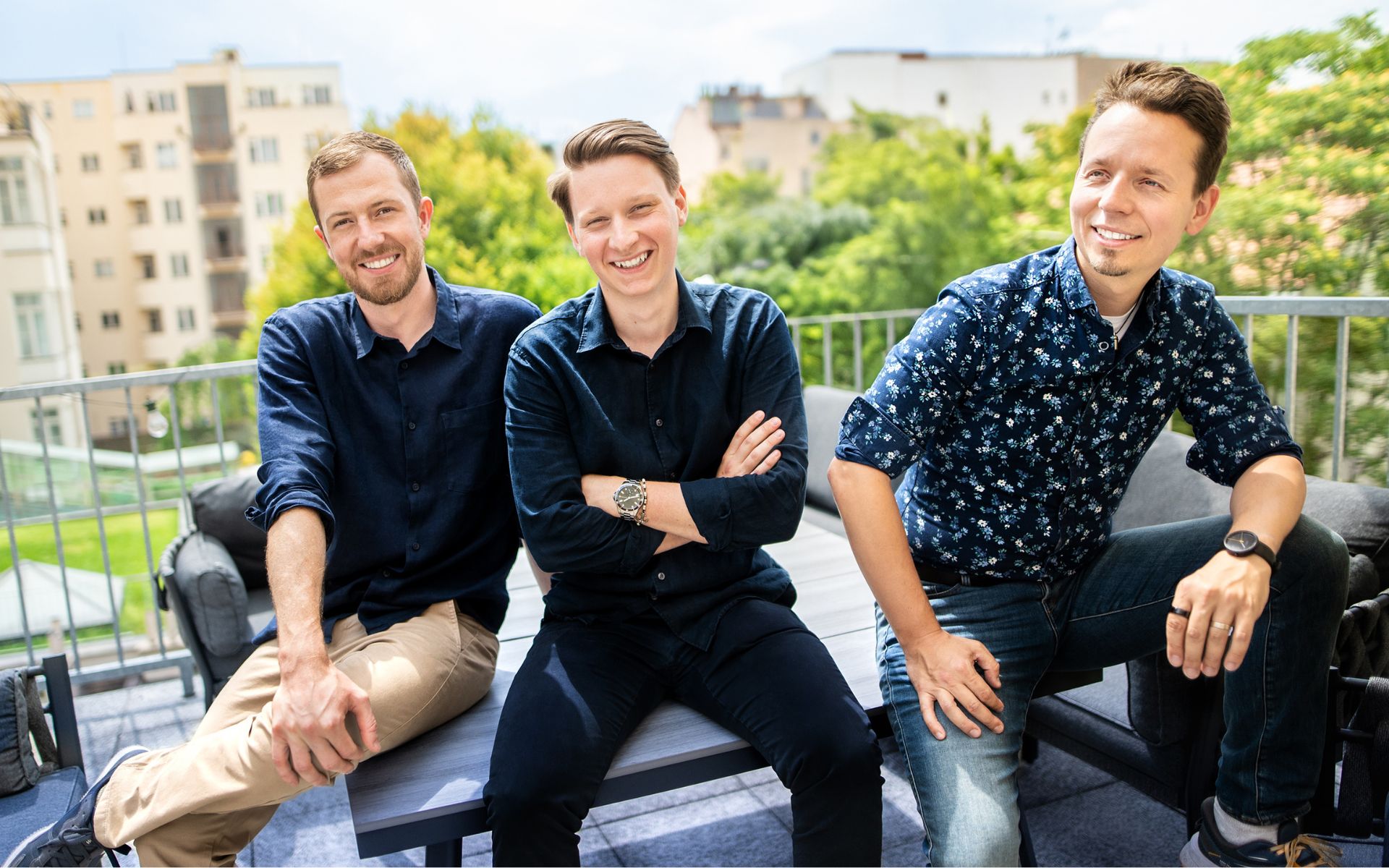
The founders of the Prague startup HTG Medical — Tobiáš Výbiral, Max Klimeš and Kryštof Šaman — have developed a device that automates urine output (diuresis) measurement for ICU patients, freeing nurses from tedious manual work. The company has received European MDR certification and raised an additional €450,000 (about 11 million crowns) in investment, bringing its total funding raised to more than €1 million (about 24 million crowns).
The idea was born back in 2019 at a medtech hackathon at Prague's IKEM clinic, where the team was tasked with digitizing the process of measuring diuresis. They didn't win that time, but the drive to turn the idea into a real product stayed with them. Years later, the HTG Medical device is already running in live operation in IKEM's cardiovascular intensive care unit — the system has been used there for continuous patient monitoring for four months now.
The problem the startup is solving is familiar to every intensive care unit: nurses have to manually check urine collection bags every hour and record the readings — a process that eats up huge amounts of time and is prone to human error. According to outside research, the margin of error in manual fluid measurement in intensive care units can reach 26%. The HTG Medical device automatically feeds the data into the hospital's information system, saving nursing staff up to an hour of net time per day — time that can be redirected from paperwork to patient care.
As Marek Šrámko, head of IKEM's cardiovascular intensive care unit, points out, continuous monitoring provides something hourly manual checks can never give — an understanding of the trend. This is especially important for the early detection of acute kidney injury in patients.
Obtaining MDR certification took the team fifteen months and, according to Výbiral, confirmed that the product had been built the right way — from understanding the real needs of nurses and doctors to technical documentation meeting the strictest European requirements. It's this certification that opens the door for the company to markets beyond the EU, including Australia, Singapore, Malaysia and Saudi Arabia.
Interestingly, investor interest in the round exceeded the startup's expectations: total offers topped one million euros — more than double what had been planned — so the founders decided to accept only part of the capital on offer. Besides new investors Garage Angels, Electron Capital Partners and JIC Ventures, the round also included existing funds Yiney fond and Dendis Capital. The funds raised will go primarily toward launching an international expansion.