From a Wall Street dream to running a billion-crown Prague fund

USD 21,66
Popular
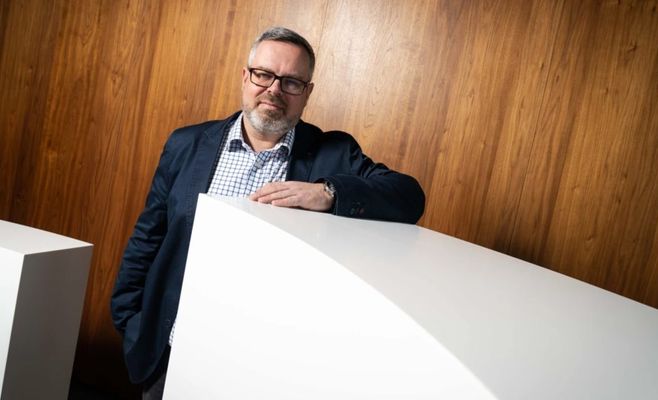
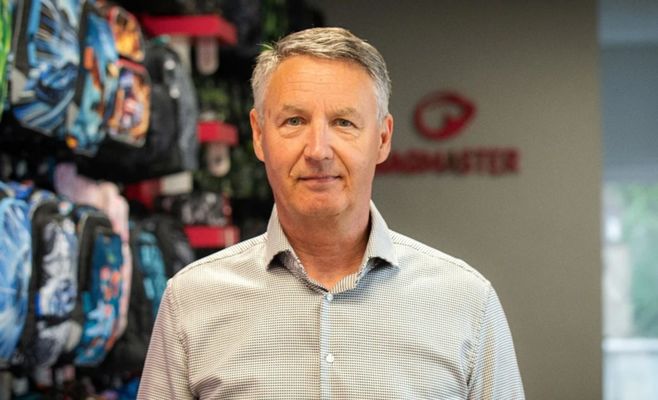
Slovak investor Michael Kollár left his native Bratislava at the age of 17 to chase a dream — working on Wall Street. Years later he landed in Prague, where just nine months after launching his own fund, GateVest, he had raised two billion crowns under management.
Kollár's path into finance was no accident — his father, a well-known Slovak economist and banker, headed Volksbank until 2006 and later served as a member of parliament. It was his father who first brought him, then eleven years old, along to work, and it made such an impression on the boy that he resolved then and there to one day work on Wall Street.
The dream came true in 2008, at the height of the financial crisis: Kollár landed a job at the Australian investment firm Macquarie, one of the largest in the world. He spent a full seventeen years there, including stints in London and Munich. Over that time he personally handled deals worth more than 12 billion euros, while Macquarie itself manages assets roughly fifty times larger.
Kollár's specialty is private equity — large investments in established companies, followed by their transformation and handover to new owners. Despite his considerable experience, the investor candidly warns ordinary people against buying individual stocks — he admits he once got burned himself by betting against Apple. In his view, buying individual stocks simply makes no sense for 99.9% of people.
Two years ago the 40-year-old financier returned to Europe and moved to Prague, where he launched his own fund, GateVest. Kollár personally invested four million euros in it (almost 100 million crowns), and the group J&T became its largest investor. What sets the fund apart is that, unlike most similar structures, it charges no management fees — it earns solely from investment returns. If Kollár loses money, he earns nothing.
The investor also makes no secret of his disappointment with the state of the Czech and Slovak fund markets: in his view, the local industry lags far behind Western standards, and the current boom in funds for qualified investors resembles a gold rush, where not every participant is guided by the interests of the end investors.