Petra Růžičková made Omoda, Jaecoo top Chinese car brands in Czechia

USD 21,91
Popular
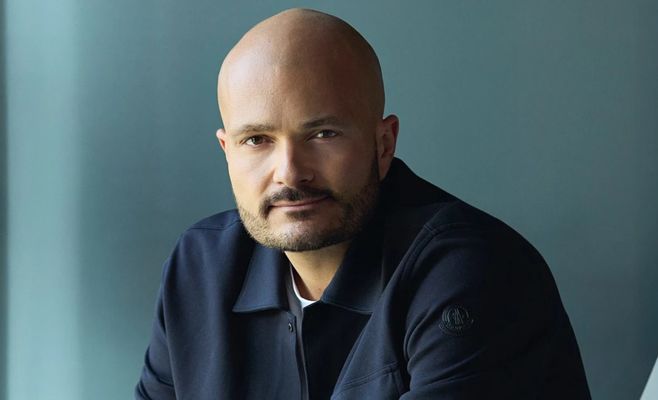
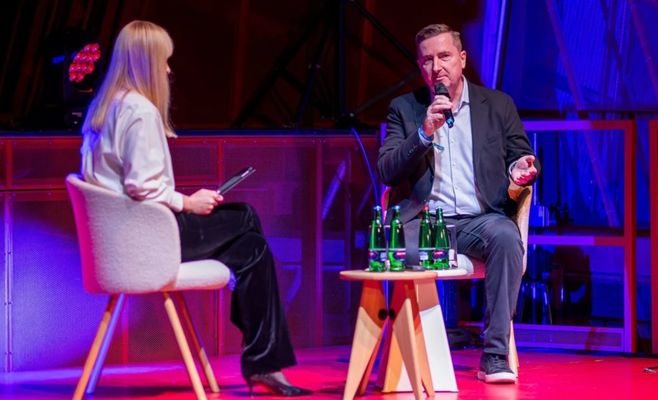
Czech executive Petra Růžičková heads the Chinese brands Omoda and Jaecoo in Czechia, and in a little over a year she has made them the most successful Chinese car marques in the country. More than 5,000 cars from the pair have been registered here this year alone, ahead of Peugeot, Fiat and even Tesla. Both brands entered the market last year.
Omoda and Jaecoo are two brands, but the technology is the same and so is the manufacturer, the Chery group; they differ mainly in name and design. For that reason the Car Importers Association counts them together. According to its data, the share of Chinese brands on the Czech market has grown from 2.8 to 5.5 percent. The best-selling Chinese car in the country is the Jaecoo 7, which was registered more than two thousand times in October.
A success story beyond Czechia
Strong sales are not only a Czech story. In March and September, the Omoda 7 was the best-selling car in the United Kingdom. In Italy, sales more than doubled over the year, and in Spain they rose by 80 percent. In each of these Mediterranean countries, Omoda and Jaecoo sold about 30,000 cars from January to September.
A team built from scratch
Růžičková represents the Hungarian importer Grand Automotive. She began launching the two brands with just one external marketing manager. A year and a half later her team numbers almost 20 people and the dealer network has 32 dealerships, with a target of forty, and sales are always paired with service. Previously, Růžičková represented Nissan and focused mainly on developing its dealer network.
More than twenty Chinese brands have come to the Czech market in the past two years. According to Růžičková, huge demands were placed on them even while they competed for the distribution contract: a commercial strategy, a marketing strategy and a dealer-network strategy had to be prepared in advance. Dealers first traveled to Poland, Italy and Spain to see Omoda and Jaecoo for themselves, and now, she says, they are the ones offering to cooperate. Among them are dealers replacing Stellantis brands and other marques that sell less well, and some have built entirely new showrooms for the new brands — a degree of investment optimism, she says, that the market has not seen in a long time.
Working for a Chinese brand, she admits, means heavy pressure to deliver results. There are no Chinese representatives in Czechia: Růžičková communicates mostly with Grand Automotive's management in Budapest, while in China there is a kind of “shadow team” led by the manager for Czechia and Slovakia. They hold weekly online meetings, and when necessary they are in contact daily. She is convinced that in the end only five Chinese brands will succeed in Czechia.
By the Around Prague newsroom