Ukrainian Business Abroad: Why Communities Beat Networking
USD 21,79
Popular
After the start of the full-scale war, Ukrainian business found itself in a situation where the speed of adaptation became a matter not just of growth but of survival. Thousands of entrepreneurs had to enter new markets, relocate teams, rethink their operating models and rebuild their businesses almost from scratch in other countries.
In 2022–2023 the main task was to find partners, support and the first points of entry into local markets, but in 2024–2026 the focus has shifted. Entrepreneurs now talk less about a fast start and more about trust, integration and a long-term presence.
From support to competition
As Serhii Saroian, a Board partner in Prague, Vienna and Odesa and the partner responsible for developing the Board community internationally, explains, the phase of broad external support for Ukrainian business has gradually come to an end. Early in the war, Ukrainians were actively backed by governments and local partners alike; over time, that changed. For markets abroad, the Ukrainian entrepreneur has become just another competitor, one who has to prove their worth on equal terms with local companies.

That means the rules of the game are now entirely different. A strong product or the ambition to enter a foreign market is no longer enough. You need to speak the language of the country where the business operates, use local marketing tools, hire local staff and take cultural differences into account. According to Saroian, it is precisely this kind of adaptation that has become critical for Ukrainian entrepreneurs abroad.
Why networking is no longer enough
Serhii Saroian is especially clear on one point: conventional forums, conferences and one-off business events no longer deliver the effect entrepreneurs expect from them. Such events can be useful for making acquaintances, but they rarely produce deep connections or real partnerships. After a day or two of conversation everyone goes home, and the contacts usually go no further than a phone list.

In his view, Ukrainian entrepreneurs today do not need extra motivation — they are already working in extremely tough conditions. What they need is not rousing speeches but practical cooperation, stability and an environment where they can share experience on a regular basis. That is why entrepreneurial communities built on consistency rather than a one-off effect matter more and more.
Community as a new growth model
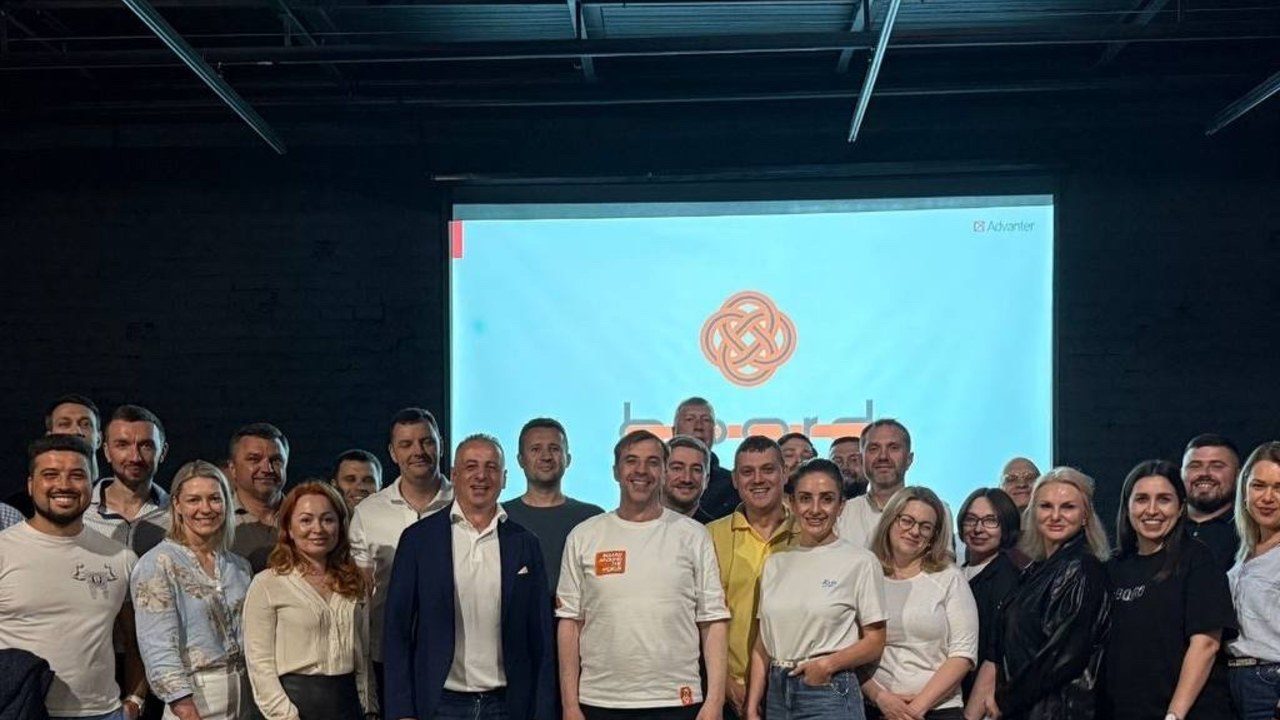
Unlike brief networking, a business community is a lasting space of trust where members meet not once but regularly. They discuss challenges, share contacts, test hypotheses, launch joint projects and support one another in difficult moments. It is in this kind of environment, Saroian says, that the real value of a community takes shape: not in the number of acquaintances, but in the quality of the connections.
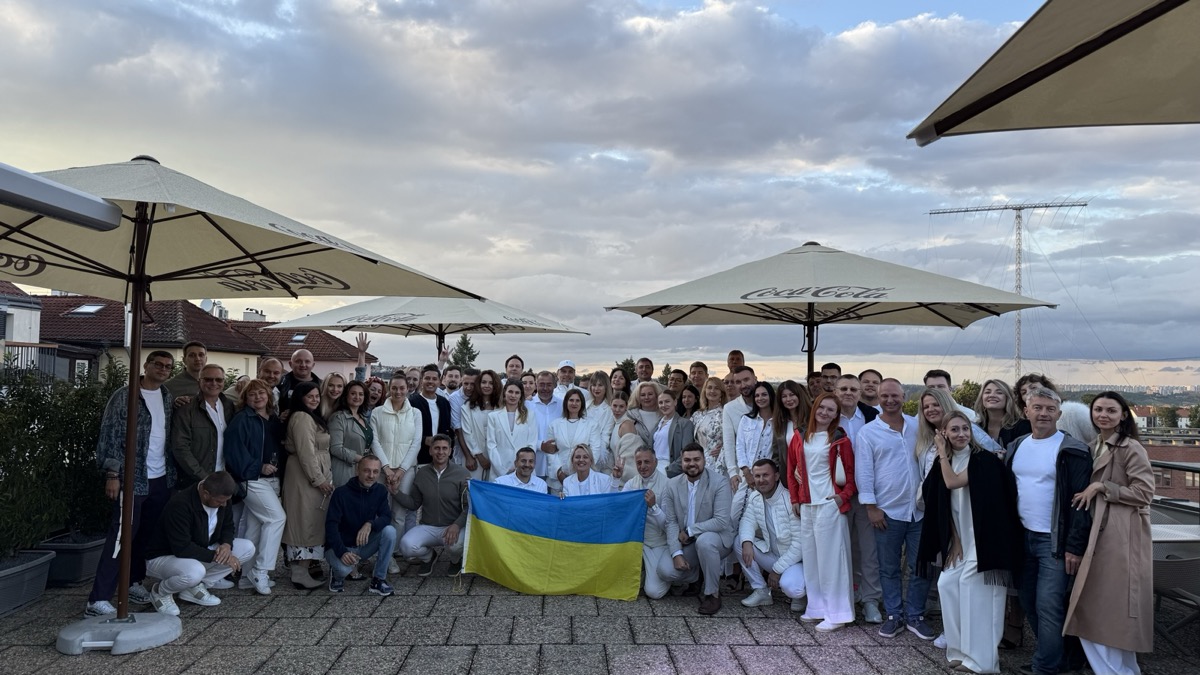
He points out that the average time an entrepreneur spends in the Board community is measured in years. Over that period, not only working relationships develop but also strong professional and personal ties that make it possible to build partnerships on shared values. For many Ukrainian entrepreneurs, this is exactly what becomes the foundation for further growth.
Trust as a business currency
One of the central themes in Saroian's remarks is trust. In his view, it has become the new currency of business, especially when entrepreneurs work across different countries, jurisdictions and cultures. Trust does not appear instantly and cannot be manufactured — it is built through shared experience, open communication and clear rules of engagement.
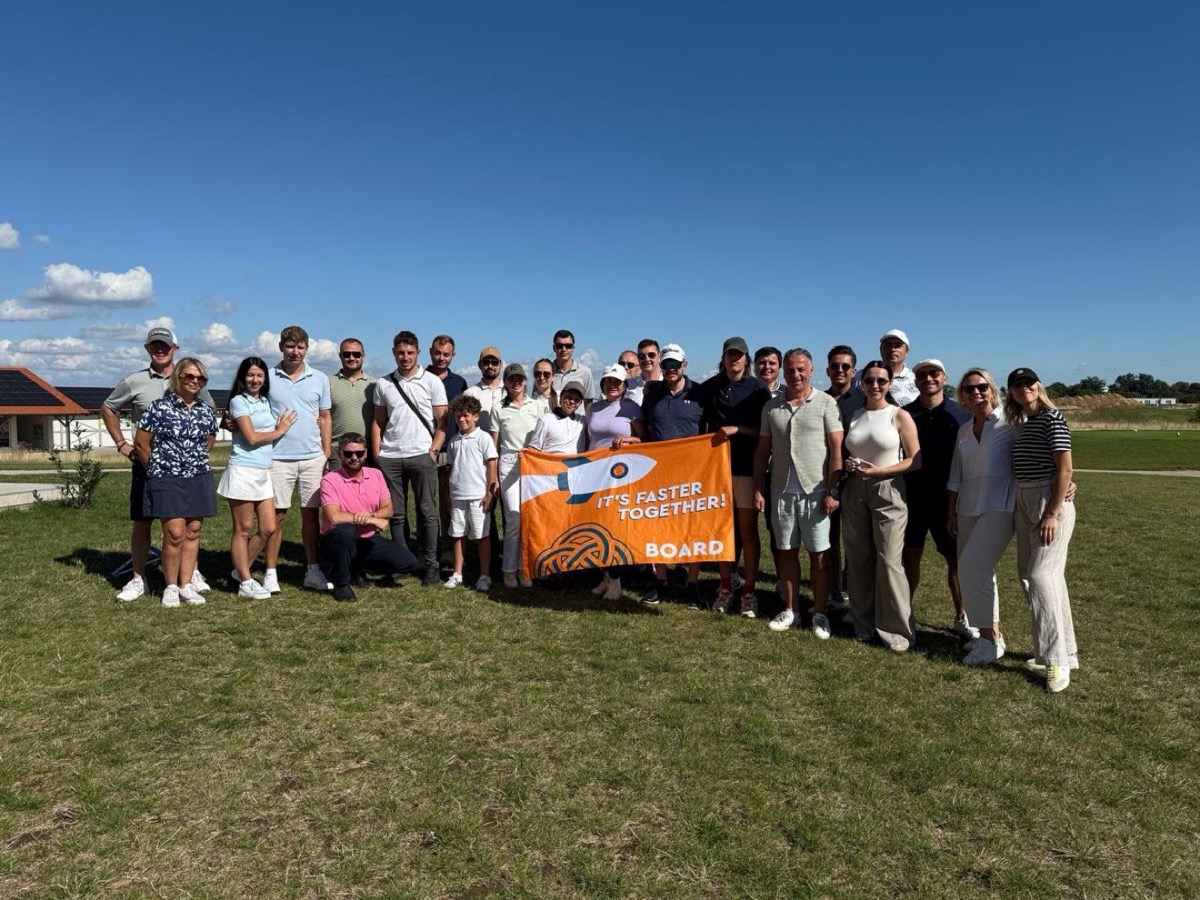
That is why values carry so much weight in communities like this: honesty, mutual help, openness in sharing experience and a sense of responsibility towards the other members. People join a community not only for what they can get out of it, but for the chance to be useful to others. This creates an environment in which new ideas, partnerships and business lines emerge more easily.
Stories that change the market
According to Saroian, the community has dozens — if not hundreds — of examples like this. Some involve entrepreneurs who met only after moving abroad and went on to open restaurants together or launch manufacturing and logistics projects. One such case: members from Kharkiv and Odesa who not only met in Prague but managed to build a successful restaurant business there, one that continues to scale today.
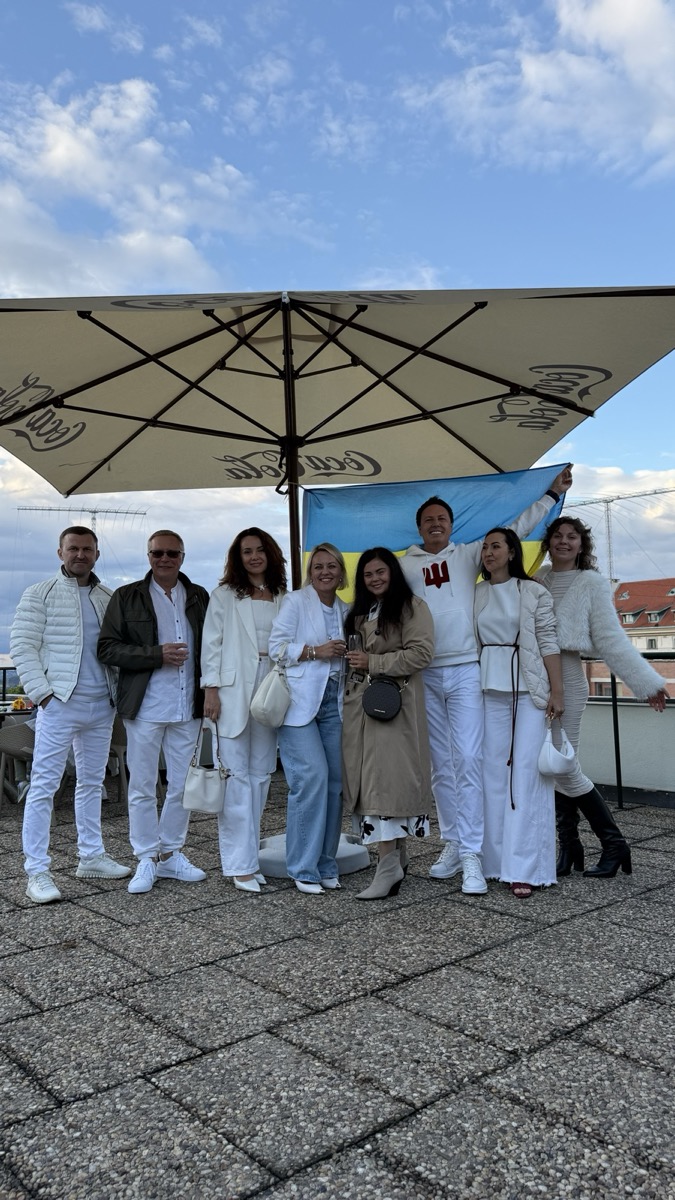
Mentorship plays an important role in this process. Experienced members help newcomers adapt to local realities faster, find the contacts they need and get access to the institutions or services that make doing business in a new country easier. As a result, the community becomes not just a club for meeting people but a working ecosystem where support has a practical dimension.
Selection rather than scale
For all their openness, business communities are not trying to grow into mass-membership organisations. According to Saroian, alignment with the community's values and a willingness to think in the long term matter more than the size of a business. That is why not everyone gets in: people may be successful and still not share the community's principles, or not be ready for honest cooperation.
This approach keeps the quality of the environment intact — and with it the level of trust. In communities of this kind, people are not simply looking for clients or a quick win; they are building relationships that can work for years. That is precisely what sets a community apart from traditional networking.
Ukrainian business as a force
Another important point Saroian raises is the role Ukrainian business communities play in shaping the country's image abroad. When local partners see Ukrainian entrepreneurs as an organised, responsible and professional force, it changes the way Ukrainian business as a whole is perceived.
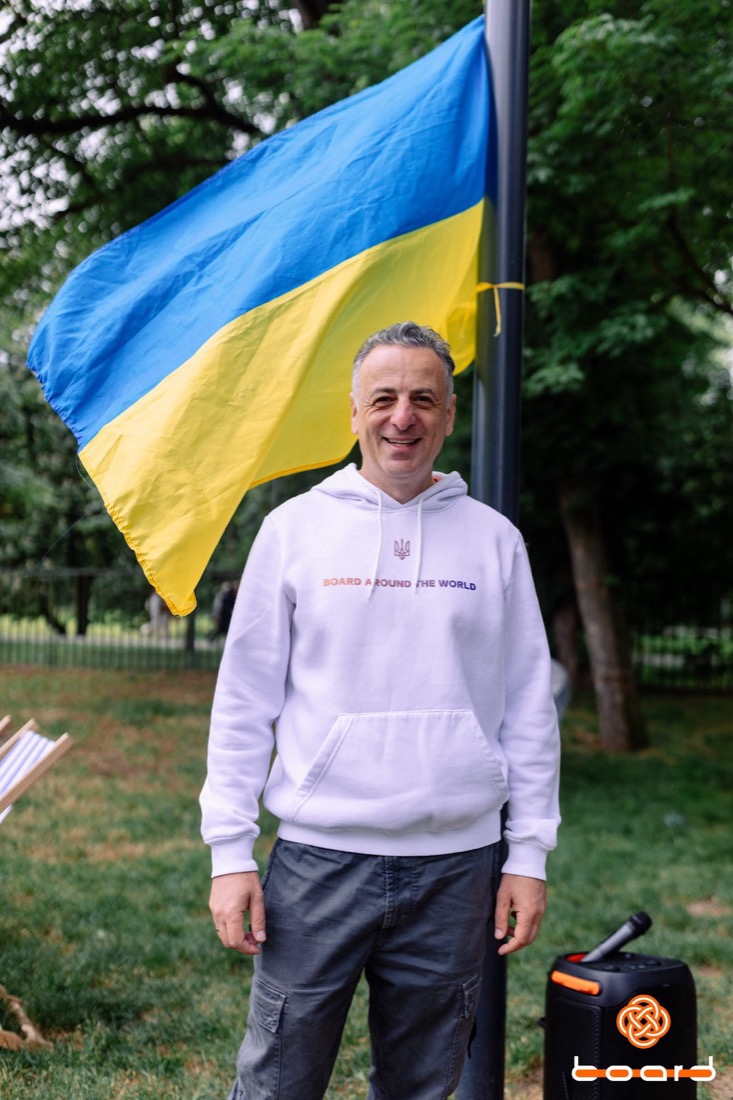
At first, Saroian says, Ukrainian entrepreneurs in Europe often had to overcome distrust and even a reluctance to meet at all. Over time, though, consistency, openness and real results changed the picture. Local business communities began showing an interest in cooperation themselves, and Ukrainians became full participants in the market.
The future belongs to those who join forces
In the long run, Serhii Saroian is convinced, entrepreneurial communities will play an ever greater role in business development. In a world where borders feel less solid and economic challenges grow more complex, the winners are not those who work in isolation but those who know how to bring together resources, experience and people.
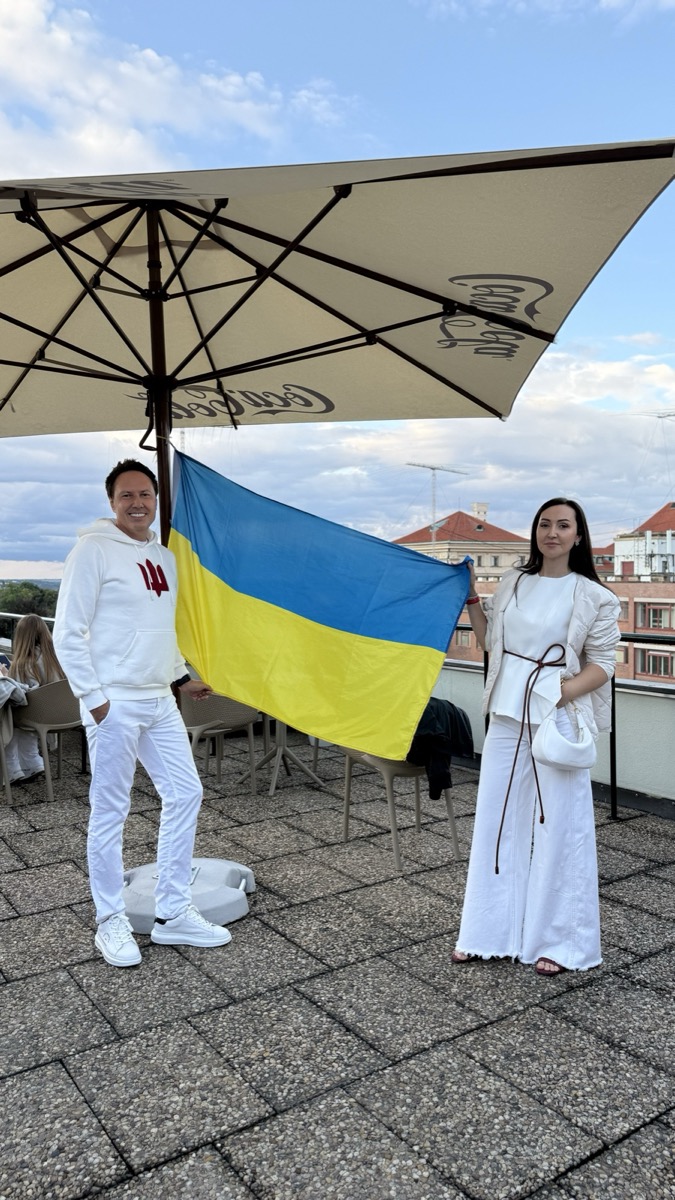
In his view, communities like these can already solve dozens of practical problems, from finding partners to launching new businesses. And in the future their role will only grow — including in the recovery of the Ukrainian economy. Communities may well become the environment where the trust, knowledge and capital for the country's next stage of development accumulate.