Rationalists believe in magic and superstition, US survey 2025
USD 21,70
Popular
People who see science as the only way to understand the world are less likely to believe in miracles but more likely to believe in spirits, curses and omens. That is the conclusion of Paul Froese of Baylor University in Texas, who with his colleagues analyzed responses from 1,812 American adults in the 2025 Baylor Religion Survey.
How the study was conducted
The data were collected by Gallup online and by mail from January to March of last year. The results were statistically weighted so that the sample better matched the makeup of the adult U.S. population.
The researchers studied a worldview they called “secular rationalism”: the conviction that science is the only path to understanding every aspect of the world, reliance on reason and personal experience in moral questions, an independent interpretation of spiritual teachings and little interest in religious disputes.
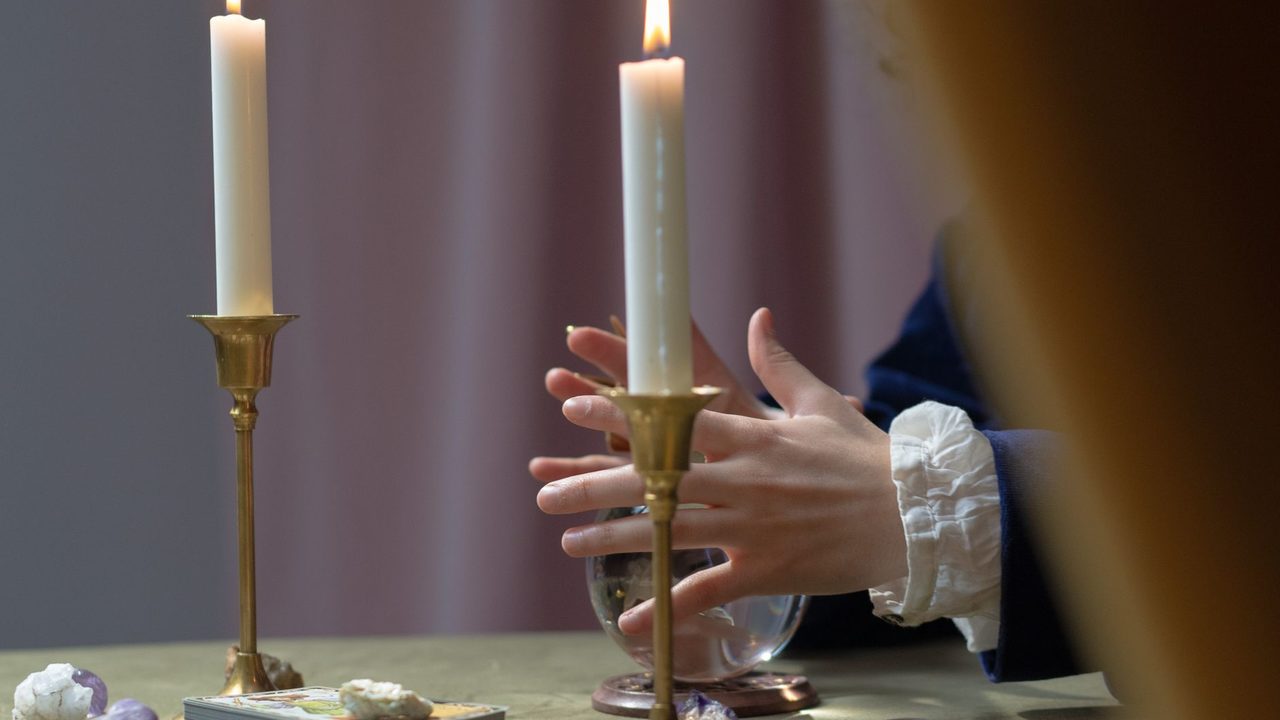
They compared these views with three kinds of supernatural belief: miracles, magic and everyday superstitions. The researchers distinguished beliefs tied to divine intervention from those that need neither God nor a shared doctrine. Magic included belief in spirits, curses, beings “living” in objects, communication with the dead and fortune-telling. Superstitions covered habits of avoiding certain words or actions so as not to invite misfortune.
The rationalists’ paradox
A high level of secular rationalism did not mean a break with all religious ties: some participants still believed in the supernatural, called themselves believers or attended services.
The result is unexpected: the higher a person’s rationalism score, the less likely they are to believe in miracles — but the stronger their belief in magic and omens. It was strongest among those who had kept a connection to religion. About 40% of those who embrace secular rationalism also leaned toward belief in magic, compared with only 19% of those who reject that outlook.
Froese and his colleagues explain this by the difference between personal belief and the authority of religious institutions. A church community may accept miracles but reject fortune-telling and attempts to speak with spirits. A person who relies on their own judgment in spiritual matters, however, can adopt such beliefs regardless of the church’s position.
The work has many limitations, though — starting with the fact that it surveyed Americans, whose situation in this respect differs, for example, from Europe’s.
Around Prague, based on reporting by osel.cz