Mercedes-Benz Freezes All German Investment and Weighs Closing Factories
USD 22,01
Popular
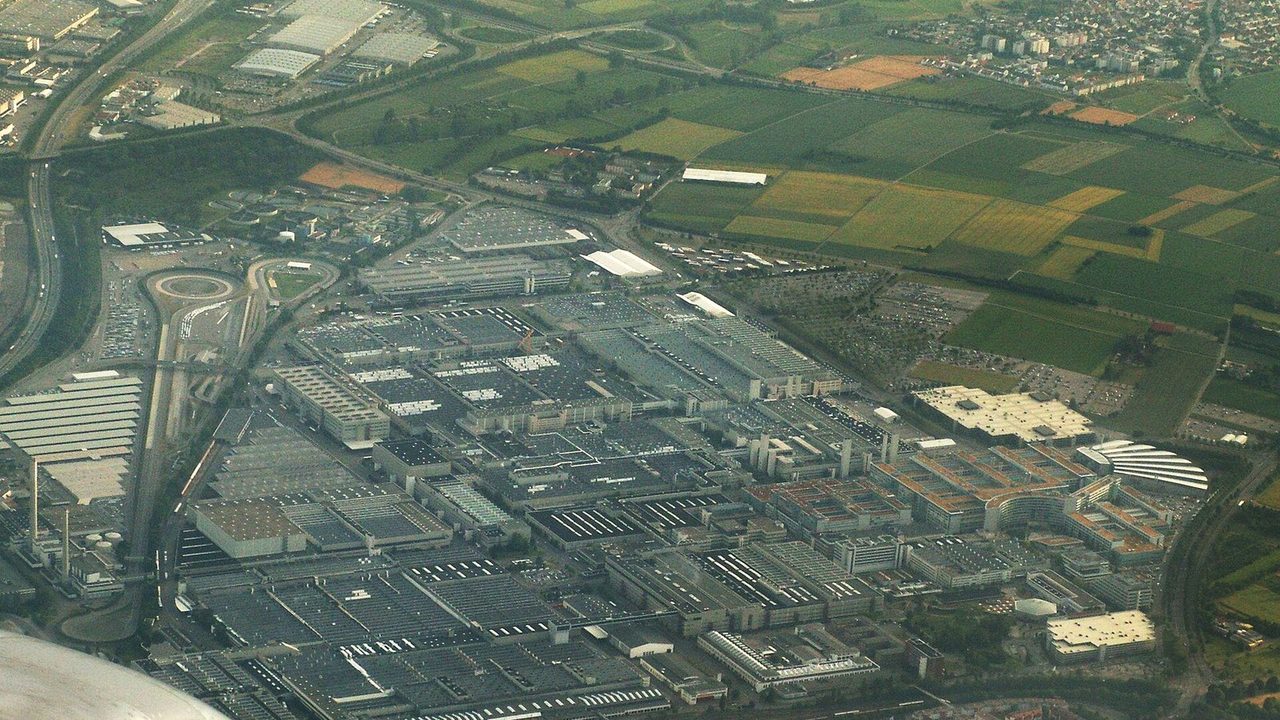
Mercedes-Benz is halting all investment in its German plants and looking into closing some of them, according to a memo to workers that Reuters saw on Thursday. The luxury carmaker says it could not reach agreement with its works council and union representatives on cutting labor costs.
The move is the latest escalation in the crisis facing Germany's auto industry, which Reuters said has already driven the biggest restructuring in Volkswagen's history and put tens of thousands of jobs at risk.
What Mercedes told its workers
Production chief Michael Schiebe said in a message on the company intranet that the executive board had jointly decided to stop all further investment at its German locations. DW reported that he said current cost structures make investing in Germany impossible.
Board member Britta Seeger said in an interview published on the intranet that the company is forced to examine which German sites it can still afford. “We all want to avoid plant closures at all costs,” she said, adding that management must now look at that option in more concrete terms.
Management had already warned of this. According to Reuters, Schiebe told staff in September that two plants in Germany could close if there was no progress on costs. Talks with IG Metall, Germany's biggest union, are continuing.
Why the carmaker is under pressure
DW reported that Mercedes has struggled with falling sales and profits in recent years. China, its largest single market and historically about a third of its passenger-car sales, has weakened considerably, and Mercedes' Chinese sales fell by around 19% in 2025. Demand for electric vehicles in Europe and North America has also grown more slowly than many manufacturers expected, while cheaper electric cars imported from China add competition.
Higher U.S. tariffs have cut into profits as well. DW said Mercedes has put the cost of tariffs alone at approximately 1 billion euros ($1.1 billion) in profit last year. German labor costs are sometimes five times higher than at plants in Eastern Europe, according to DW.
Auto analyst Ferdi Dudenhoeffer told Reuters the news was little surprise, since Mercedes has stressed for months how hard the situation in Germany is. He said the industry's future is in the balance unless its cost structures change.
What this means for workers and the industry
For employees at Mercedes' German plants, the memo signals that management is now preparing for possible closures, although no site has been named and no job numbers were given. With investment frozen, the company is not committing new money to those factories while negotiations go on.
The pressure is spreading beyond carmakers. Reuters noted that Schaeffler said last week it would cut 3,460 jobs and close five sites in Europe, four of them in Germany, citing weak demand for combustion-engine cars. Volkswagen has plans that could lead to 100,000 job losses and the closure of up to four German plants, and the consultancy Roland Berger has warned that at least 200,000 automotive jobs could be lost in Germany by 2030. Chinese rivals are gaining market share in Europe, and some executives are calling on Brussels for protectionist measures.
Stellantis' chief executive also warned on Thursday that costs will keep rising for at least the next year, Reuters reported.
What happens next
Mercedes has not set a date for decisions on any plant. Volkswagen begins its own negotiations with IG Metall on Nov. 24, with strikes looming at the turn of the year, according to Reuters.
Read next
What Audi’s Planned Georgia Car Plant Means for Jobs and the State
Social Security Retirement Fund Could Cover Only 78% of Benefits by 2032
Anthropic Seeks Over $61 Billion in IPO: What Buyers Should Know
Around Prague, based on reporting by Global Banking & Finance Review, DW
Cover photo: The original uploader was Iggy-x at German Wikipedia . / Wikimedia Commons, CC BY-SA 3.0, cropped