CRTC Orders Bell, Rogers and Telus to Drop Prohibited Wireless Fees
USD 22,31
Popular
Canada's telecom regulator has ordered the country's three biggest wireless carriers to stop charging certain fees by Dec. 27, ruling that the charges break the Telecommunications Act. The Canadian Radio-television and Telecommunications Commission, or CRTC, also said it is considering a fine of up to $10 million for Bell over locked phones, CBC News reported.
The ruling covers fees tied to providing and setting up a cellphone when a customer signs up for a plan. Rogers disagrees with part of the decision, while Bell and Telus say they are reviewing it.
What the CRTC ruled on fees
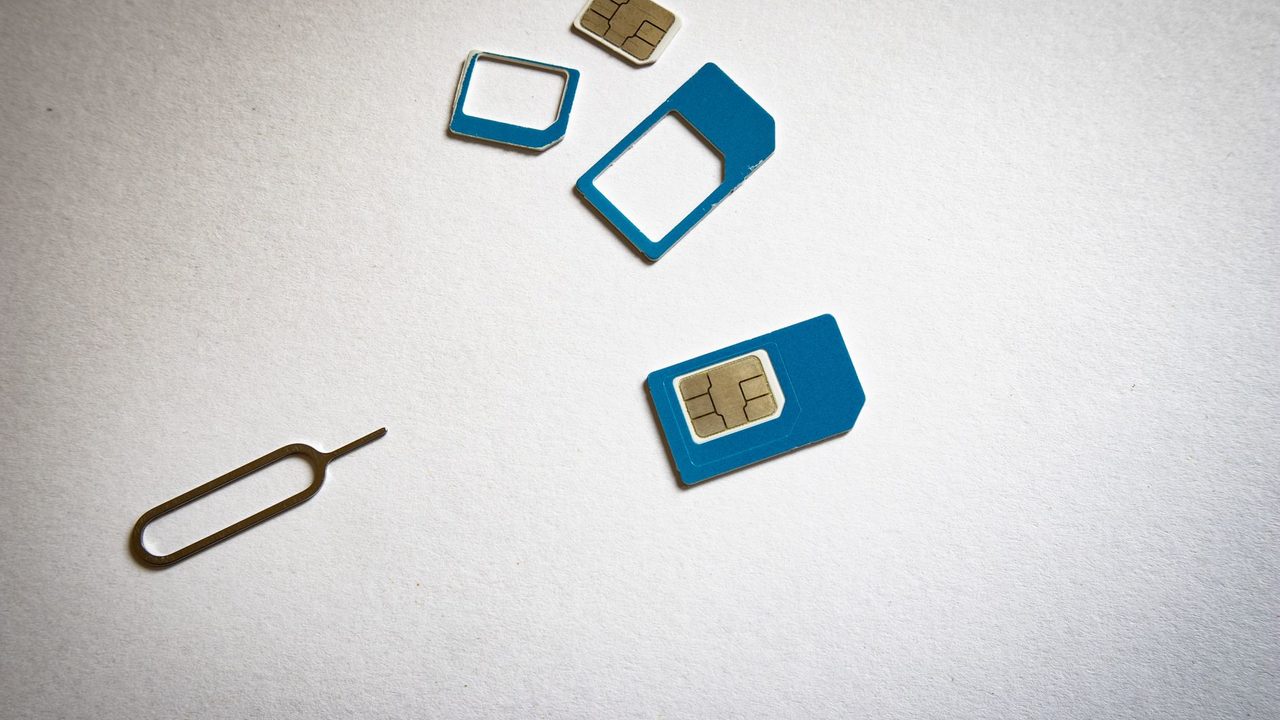
The regulator decided on Friday that three charges are prohibited: a cellphone handling charge from Bell, a cellphone setup charge from Rogers and a SIM and eSIM provisioning fee from Telus. A SIM card is the microchip that connects a device to a mobile network.
Not everything was banned. The CRTC found that fees Rogers and Telus charge to replace broken or lost SIM cards are allowed, as are Rogers' shipping fees.
The decision follows a June ban on fees to activate, change or cancel internet and cellphone services. After that ban, major carriers introduced SIM card and other hardware-related charges that the CRTC flagged as possible disguised activation fees. Sheehan Carter, the CRTC's acting vice-president of consumer analytics and strategy, said the regulator told the companies the fees might not comply. Because they kept charging and argued the fees were allowed, he said, the CRTC moved quickly to settle the question.
The Bell locked-phone finding
The CRTC also found that Bell sold customers phones locked to its network, which limits their ability to take up better offers from rivals. Carter said the rules require phones to be unlocked so Canadians can choose their provider. He said the regulator is weighing a fine of up to $10 million, which he described as the upper range of what the law allows.
Canada banned phone locking in 2017, along with the unlocking fees carriers had charged. In August, the CRTC temporarily let carriers lock devices for up to two business days, after which they unlock automatically, and required that customers be able to request immediate unlocking at no charge. That followed applications from Bell and Telus, which argued that selling unlocked phones increased theft and fraud.
Telus applied in July for a temporary exemption that would have let it lock devices for 60 days. The CRTC formally denied the request on Friday. Carter said the regulator saw no evidence that Telus had actually sold locked devices, only that it planned to, so no fine is appropriate for now.
What each side says
The carriers. Rogers told CBC News it disagrees with the CRTC's position on device setup charges and argued that such charges help recover real costs. It said it was pleased the ruling on the shipping charge and the SIM replacement fee reflected that. Telus said every SIM card and eSIM carries real costs that, in its view, should be built into the price of the product rather than provided free. In June, the CRTC had warned Telus that its $15 charge for SIM cards could count as a prohibited activation fee. Bell and Telus said they are reviewing the decisions.
Consumer advocates. Matt Hatfield, executive director of the nonprofit OpenMedia, said the ruling blocks some anti-consumer practices but worries the carriers will simply adjust their fees again to get around the rules. He called it one round of a game customers always lose. Keldon Bester, executive director of the Canadian Anti-Monopoly Project, sees SIM card charges as an activation fee in disguise, arguing that customers cannot use telecom services without a SIM card.
What this means for customers
Customers of Bell, Rogers and Telus should stop being charged the three prohibited fees once the Dec. 27 deadline passes. The fees the CRTC allowed, such as SIM replacement charges at Rogers and Telus and Rogers' shipping fees, can continue.
The stakes are large because the three companies together controlled nearly 90 percent of Canada's mobile wireless sales and roughly 86 percent of wireless subscribers as of 2024, according to a CRTC report released in February. For Bell, a fine of up to $10 million is under consideration for the locked phones, though no fine has been announced.
Read next
Bell Cyber Incident: What It Means for Virgin Plus and Lucky Mobile Customers
What SpaceX's Airwaves Deal Means for Phone Carriers and Customers
Qantas Cancels Rome-to-Perth Flight After Bedbugs Reported on 787
Around Prague, based on reporting by CBC News