Onsemi's 44-Billion-Koruna Investment in Rožnov May Be Reconsidered Amid Company's Strategy Shift
USD 21,75
Popular
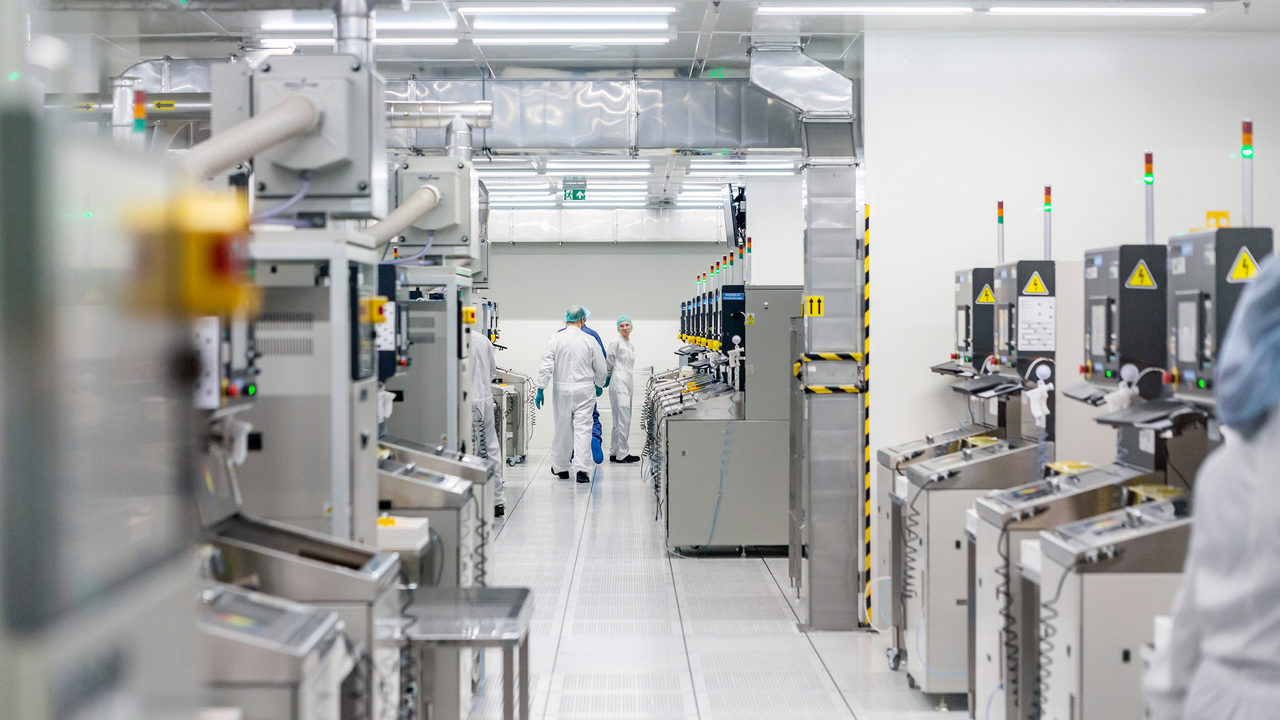
The Czech government continues negotiations with American company Onsemi over the expansion of its chip plant in Rožnov pod Radhoštěm, where an investment of 44 billion koruna had been planned, backed by 12 billion koruna in state support. However, Andrej Babiš's cabinet has yet to formally approve that support, raising doubts over the fate of one of the largest investment projects in modern Czech history.
According to sources, Prime Minister Babiš is reportedly frustrated that the project was signed off by the previous government of Petr Fiala, leaving him to now risk one of the country's most significant investments. Former Minister of Industry and Trade Lukáš Vlček of the STAN party criticized the current cabinet on social media platform X, saying it had received the project "on a silver platter" but was failing to carry it forward.
Launch of the new production facilities had been planned for 2027. The project was expected to create 819 jobs and expand output of silicon carbide semiconductors — more efficient chips that are essential for electric vehicles, solar and wind power, and data centers.
According to Minister of Industry and Trade Karel Havlíček, a shift in the company's strategy has also affected the planned Czech investment — the project no longer meets the conditions under which state support was approved. "Given the situation on the global chip market, Onsemi is changing its strategy, and this also affects the planned investment in Czechia. As a result, the conditions of the approved state support are not being met. We are in negotiations, and until they are concluded, we will not comment further," Havlíček said.
A joint statement from the ministry and Onsemi indicates that the multi-billion-koruna project could be modified: "The Ministry of Industry and Trade is currently in talks with Onsemi regarding possible adjustments to the investment plan. Until these negotiations are concluded, the ministry cannot take further steps in this process. Onsemi confirms its long-term plans to invest in Czechia."
Foreign media note that Onsemi is facing mounting pressure from Chinese manufacturers, particularly in the silicon carbide chip and wafer segment. Chinese suppliers are offering such wafers at roughly a third of the price previously charged by Western competitors, driving prices down across the entire supply chain. In 2024, about 30% of Onsemi's chips were shipped to China.
According to Reuters, the company's largest division, which handles power semiconductors, saw revenue drop 11% year-on-year in the fourth quarter of 2025. Besides competition from China, the company is also suffering from a slowdown in electric vehicle growth. In response, Onsemi is cutting costs, laying off staff, restructuring its production network, and increasingly focusing on chips for data centers and artificial intelligence.
The cuts have also affected the company's Czech operations: in 2025, Onsemi announced the elimination of 170 jobs, and later confirmed the layoff of roughly 200 more employees, mostly at the Rožnov plant. The company attributes the cuts to adjusting production in response to weakening demand and conditions on the global chip market.
Source: seznamzpravy.cz