Why Asian Stocks Tumbled on Wednesday: Chipmakers Lead the Sell-Off

USD 22,28
Popular
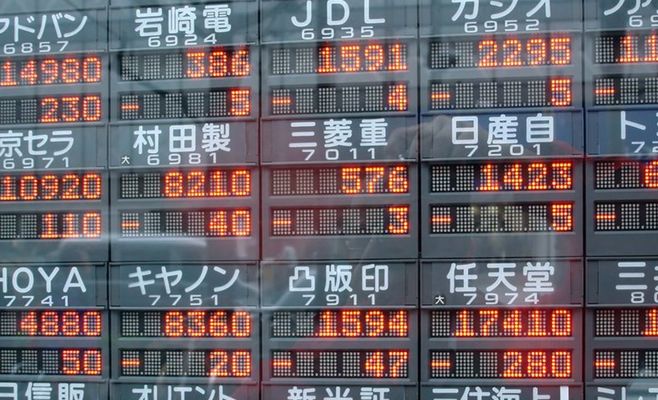
Asian stocks fell sharply on Wednesday after a slump in U.S. technology shares revived doubts about the artificial intelligence trade, according to investingLive. South Korea's Kospi dropped nearly 6% and Japan's Nikkei 225 lost more than 3%, with chipmakers taking the heaviest losses.
The selloff wiped out much of a relief rally from earlier in the week. U.S. index futures also extended losses during the Asian session, pointing to a nervous start for Wall Street ahead of a data-heavy day and the Thanksgiving holiday.
The key numbers from Wednesday's session
- Kospi, down nearly 6% to around 4,710: The South Korean benchmark fell by mid-afternoon. Foreign investors were net sellers, Reuters reported.
- Samsung Electronics and SK Hynix, each down more than 8%: The two chip heavyweights drove the Kospi's decline. The smaller Kosdaq index lost close to 3%.
- Nikkei 225, down more than 3% to around 56,660: The tech selloff spread to Tokyo. The broader TOPIX fell about 1% to around 3,730, because it carries more weight in financial and domestically focused companies.
- Hang Seng, up about 1%: Hong Kong bucked the regional trend. Shanghai's composite index eased by slightly less than 1%.
- U.S. futures: Nasdaq 100 futures fell about 1% and S&P 500 futures about 0.5%. Dow futures were slightly lower.
What is behind the slide
Analysts cited by investingLive pointed to profit-taking after Tuesday's sharp rebound in South Korea, along with concern about the possibility of additional U.S. tariffs. The wider backdrop is weeks of volatility in AI-related shares. Investors have questioned the debt-funded spending behind the sector and the returns it is likely to produce.
Monday's rally, which investingLive said was sparked by the reinstatement of Jensen Huang as Nvidia's chief executive, briefly eased those worries. The mood soured again when Wall Street's technology names gave back ground on Tuesday. InvestingLive said the renewed drop in Asia's chip giants shows how fragile that relief rally was.
Other markets: bonds, currencies and commodities
Some safer assets drew modest support, according to investingLive. Japanese government bond yields eased even though Wednesday's services inflation data came in hot. The yen held near 159 per dollar.
Oil extended its decline, with Brent near $88 and WTI around $81. InvestingLive said risk aversion weighed on prices alongside supply concerns. The Australian dollar slipped to around 66.2 U.S. cents despite stronger-than-expected consumer price data. Gold was little changed near $3,560 an ounce.
What it means for investors heading into Thanksgiving
The moves show how closely Asian markets are tied to sentiment about AI and to Wall Street's performance. Chipmakers in South Korea and Japan fell hardest after the U.S. tech slump. Markets with less exposure to the sector, such as Hong Kong, held up better. Within Japan, the gap between the Nikkei and the broader TOPIX shows the same split between tech-heavy and more diversified benchmarks.
For anyone with money in funds or retirement accounts that track major indexes, the futures declines suggest pressure on the most crowded technology positions at the U.S. open, according to investingLive. The outlet noted that thinner trading could amplify any moves, because U.S. markets are closed Thursday for Thanksgiving.
What to watch next
A crowded U.S. data calendar comes first. At 13:30 GMT, the October personal consumption expenditures price index is due. It is the Federal Reserve's preferred inflation gauge. Revised third-quarter GDP figures and weekly jobless claims are due at the same time.
Read next
Why Asian Stocks Plunged Friday: AI Bubble Fears Outweigh Anthropic's Big Debut
Nvidia Turmoil Rattles Wall Street: The Numbers Behind the Chip Stock Slump
Alphabet's After-Hours Drop Pulls Asian Shares and Nasdaq Futures Lower
Around Prague, based on reporting by investingLive