Canada's Privacy Commissioner Wants Shoppers Told About Surveillance Pricing
USD 22,36
Popular
Canada's privacy commissioner says people should be warned when they are targeted by surveillance pricing, the practice of changing a listed price depending on who is looking at it.
The same day, NDP MP Jenny Kwan introduced a private member's bill that would ban the practice outright, setting up a debate over whether disclosure rules or a prohibition is the better approach.
What the privacy commissioner said
Dufresne said existing law already requires meaningful consent, and that his guidance will spell out what his office expects. He told the committee that Canadians should know what is happening and why they are being shown a particular price.
He drew a line between prices that rise because of market conditions, such as a large conference in town, and prices that rise because of a personal circumstance. His example was charging someone more for a drug because they are sick. He added that even shoppers who receive a discount through surveillance pricing should be told.
Dufresne said people may have little awareness that their personal information is affecting the prices offered to them. That, he said, limits their ability to recognize or challenge unequal treatment. He said the practice raises privacy risks and could harm vulnerable groups.
His office has not received any complaints about surveillance pricing, Dufresne said, and he hopes the practice is not widespread in Canada.
Why it matters for shoppers
For now, nothing changes at the checkout. The commissioner's guidance has not been written, and it is meant to clarify how current law applies rather than create new rules. If it sets the expectations Dufresne described, businesses using personal data to set prices would be expected to tell customers that they are doing so and why.
The House of Commons ethics committee, which is studying the use of artificial intelligence in algorithmic pricing, heard last week that the practice is opaque for consumers. Shoppers are not told when they see a price that differs from what others are offered, or the reason for the difference, according to both outlets.
The political dispute over a ban
CBC News reported that the Liberal government has said its proposed new privacy legislation could be used to address surveillance pricing. The bill does not mention the term, however.
Kwan said the government is not banning the practice. She argued it has every tool needed to say no and has so far not acted for Canadians. NDP Leader Avi Lewis, speaking beside Kwan at a news conference on Parliament Hill, said the government could pass her bill if it wants to do something that is not merely for show. He called the practice unfair and said it should be banned.
The government's response to Kwan's bill was not included in the reports.
What happens next
Dufresne said his office will open a consultation with stakeholders and experts in the coming weeks. It aims to issue formal guidance in the coming months. The guidance, he said, will lay out how current privacy law applies and the key expectations for protecting Canadians' privacy in this context.
Meanwhile, the ethics committee's study continues, and Kwan's private member's bill is now before Parliament.
Read next
FTC Presses Delta, Uber, Walmart and Others on How Personal Data Shapes Prices
Shoppers Wary as Retailers Turn to AI and Digital Price Tags, and Regulators Respond
Parents’ Surveillance Exposes Fife Childminder, Now Jailed for Two Years
Around Prague, based on reporting by Global News, CBC News
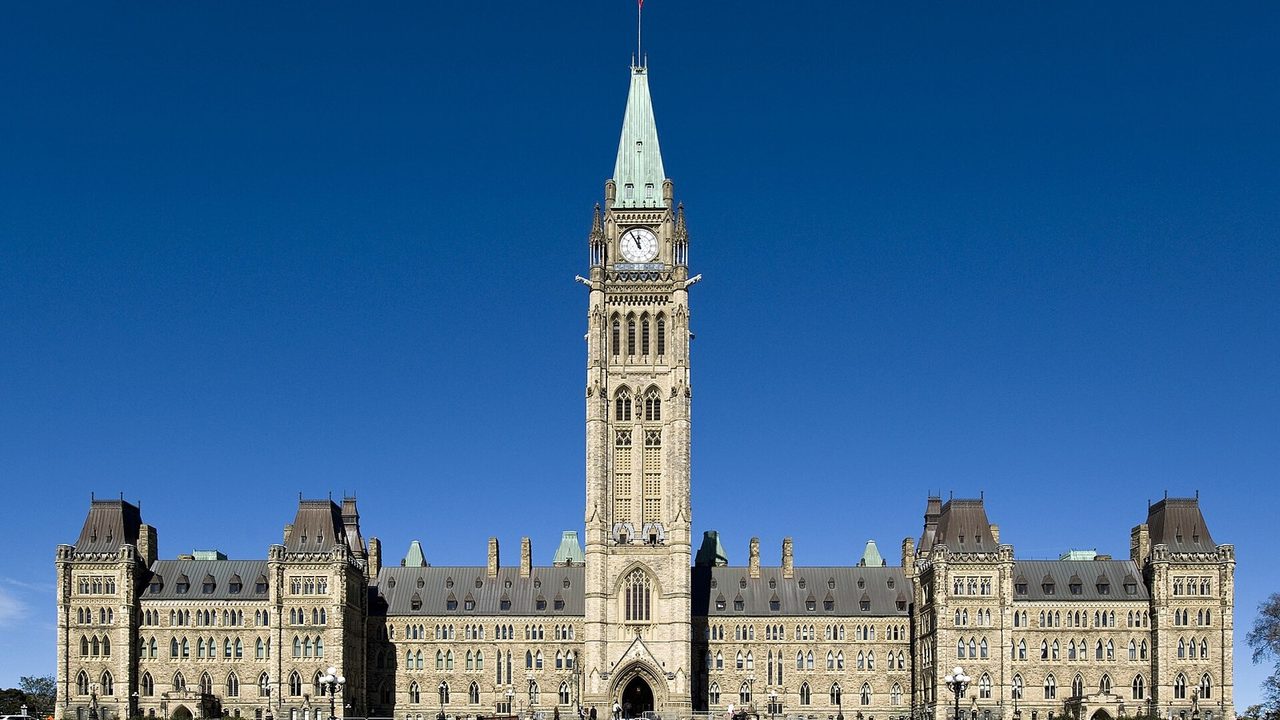
Cover photo: Saffron Blaze / Wikimedia Commons, CC BY-SA 3.0, cropped