Babiš and Czech TV and radio funding: don't expect concessions
USD 22,10
Popular
Prime Minister Andrej Babiš and the coalition are looking for a new funding scheme for Czech Television and Czech Radio after a wave of outrage over a bill that passed its first reading in the Chamber of Deputies overnight from Oct. 23 to 24. Experts, however, do not expect serious concessions.
What the coalition promises
On Monday, the coalition council discussed possible options. “The prime minister and the finance minister will discuss proposals for a technical solution, and we will publish it in January,” said Boris Šťastný, chairman of the Motorists parliamentary club.
“We simply don’t know what the new proposal will be about, so it’s a question of how optimistic one can be,” said Klára Smejkal of the Department of Media Studies and Journalism at Masaryk University. Political scientist Michal Malý of Charles University believes Babiš got scared by the public reaction, with ANO’s poll support sliding toward 30 percent. In his view, to keep things calm the prime minister will try to offer a “pseudo-compromise” option, and significant changes should not be expected.
Where the money will come from
What the system would look like is still unclear. “I want to come with a proposal so that the money does not go directly from the budget and so that it is predictable and unchanging,” Babiš said on TV Nova at the end of October.
The current bill from Klempíř provides for payments to the broadcasters from the state budget, out of the Ministry of Culture’s funds. The amount would be strictly set by law and, with accumulated inflation above ten percentage points, would rise by ten percent. Meanwhile, the coalition’s SPD refuses to raise taxes to make up for abolishing the media fee. As media analyst Filip Rožánek noted, it is not entirely clear where the money would come from if it is to be neither in the budget, nor in a special tax, nor in fees. According to him, the phrase “not from the budget” may mean an intermediate step: the amount would be calculated, for example, from tax revenue and firmly fixed so that it is predictable in the long term.
The Scandinavian model and voluntary contributions
Critics of the bill dislike the risk of political pressure, as well as the fact that the proposed sums are roughly one fifth lower than current fee revenue, and the rigid indexation mechanism. One possible replacement for a fixed sum is a share of collected taxes, as proposed by Chamber of Deputies Deputy Speaker Patrik Nacher (ANO). The amount would be calculated from the previous year’s data. “Economic developments, such as higher inflation, would show up in the media budget only retroactively,” Rožánek named as the main drawback. But, according to Smejkal, such a system still reacts to the economy better than Klempíř’s mechanism.
Babiš and other politicians readily refer to the “Scandinavian model,” but it is unclear which one exactly. In Norway and Denmark the money comes from the budget, but funding is always agreed several years ahead; this works where politicians know how to reach agreement. In Sweden and Finland a special tax is collected and goes into an off-budget fund, and from there to the media. “There is a much larger buffer zone between politicians and the funding of public service media there,” Smejkal explained.
Some in the coalition have also suggested that people keep paying voluntarily. “There are a lot of devils in the details,” Rožánek believes: voluntary donations would mean enormous administration, and large contributions could raise suspicions of influence over the media. That is why Nacher talks about contributions of no more than the size of the current fees.
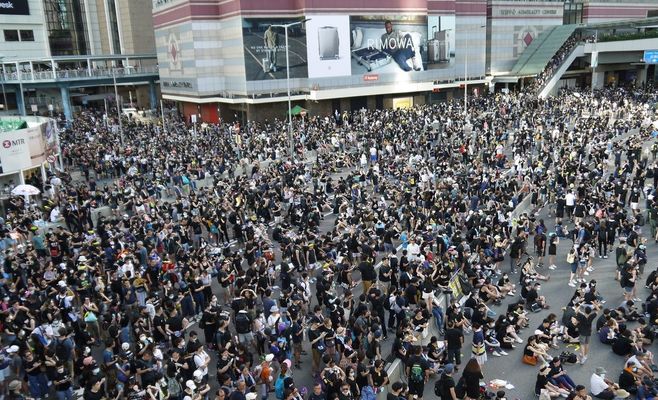
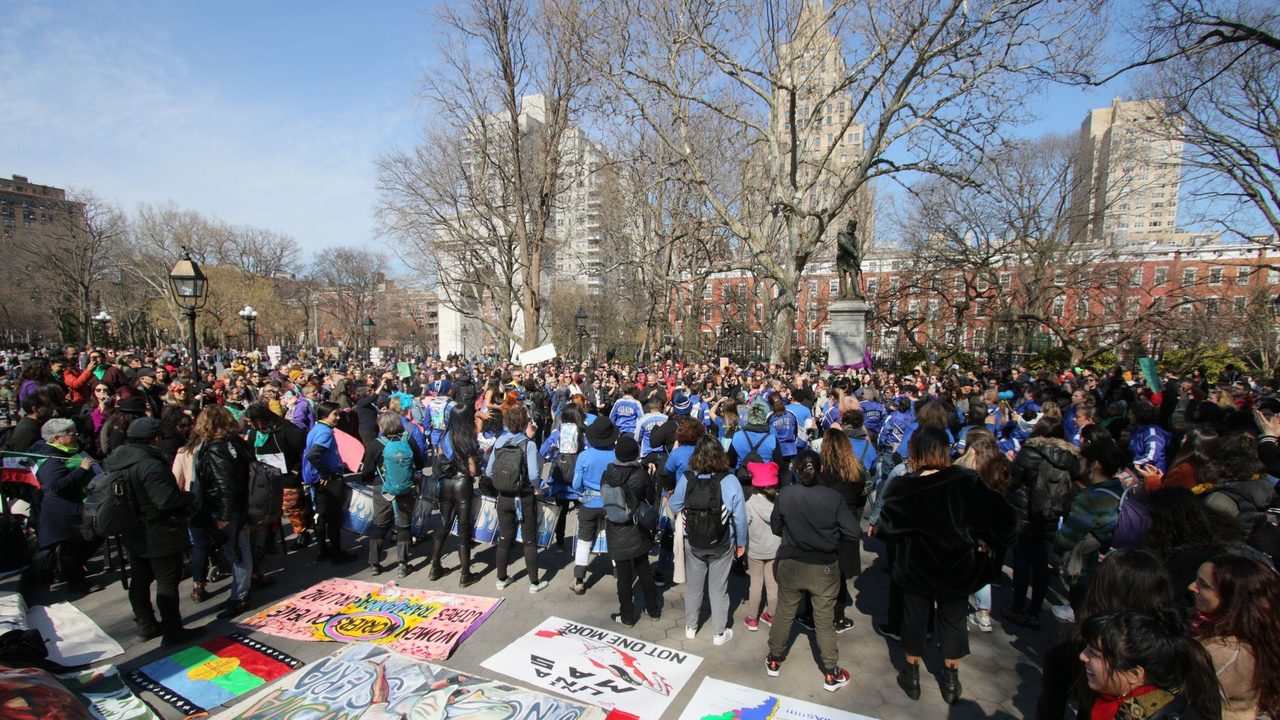
The abolition of the media fee has been accompanied for many months by loud criticism from the opposition and part of society. In recent weeks protests have taken place in Czech cities; the next is due on Sunday in Prague’s Letná, where the Million Moments for Democracy association has called on demonstrators to gather.
Around Prague, based on reporting by novinky.cz