Prague Zoo breeds first orange-breasted lorikeet chick in Czechia
USD 21,81
Popular
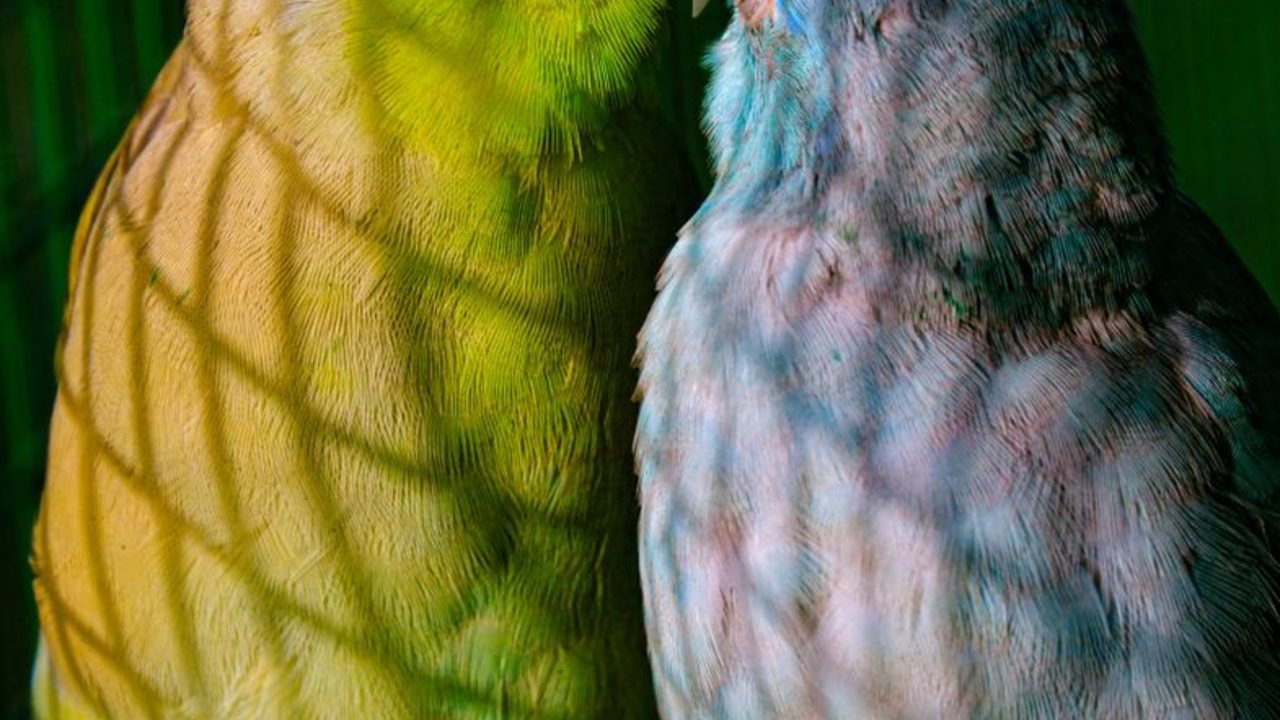
Prague Zoo has become the first in Czechia to raise an orange-breasted lorikeet chick, a rare parrot that is notoriously demanding to keep. The youngster is now four months old and, according to zoo staff, is a male in good shape.
“The parent pair surprised us several times. First with the neat way they built the nest, then with a healthy-looking egg. The third time, with the fact that the egg turned out to be fertilised. And in the end we were amazed that they took on their offspring in exemplary fashion and raised it in an entirely natural way,” said bird curator Antonín Vajdl. He said this is unusual for many bird species, and for lorikeets even more so.
The chick hatched after roughly 20 days of incubation. Its sex was determined by the orange “bib” beginning to appear: it is a male. For now it remains in the service area of the Indonesian Jungle pavilion, where the temperature and humidity the species needs are maintained.
Lorikeets in Prague since 2018
The zoo has kept orange-breasted lorikeets since 2018; the first birds were brought from the specialist Walsrode park in Germany. Visitors can see them in the exhibit on the Parrot Trail. These are birds that are hard to breed, partly because of their high demands on cleanliness. A first chick was successfully hatched back in 2023, but it died the next day.
The zoo also keeps red-bearded and golden-eared lorikeets. The red-bearded ones arrived in 1997 and have since produced more than 30 chicks, the first in 2003. The golden-eared lorikeet, which lives in the Rákos pavilion, is according to the zoo currently found in continental Europe only in Prague; it was first bred here in 2022.
One advantage of keeping several species is the ability to use experienced pairs as foster parents. Right now a red-bearded lorikeet chick is being raised by golden-eared birds, and two years ago it was the other way around.
Fig parrots from New Guinea
Lorikeets are also called fig parrots: fig pulp is an important part of their diet. They live mainly on New Guinea and neighbouring islands. They are not closely related to the better-known lories, but are similar in how they find food, often hanging upside down from branches.
The orange-breasted lorikeet is the smallest species. Males have a bright orange breast, while the rest of the plumage is mostly green. According to the International Union for Conservation of Nature, the species is classed as of least concern, although the zoo says the real state of the population is hard to assess because of a lack of data on birds in remote forests.
Source: prazsky.denik.cz