Artemis II Astronaut Recalls Fireball Re-Entry: Flames Surrounded the Capsule
USD 22,10
Popular
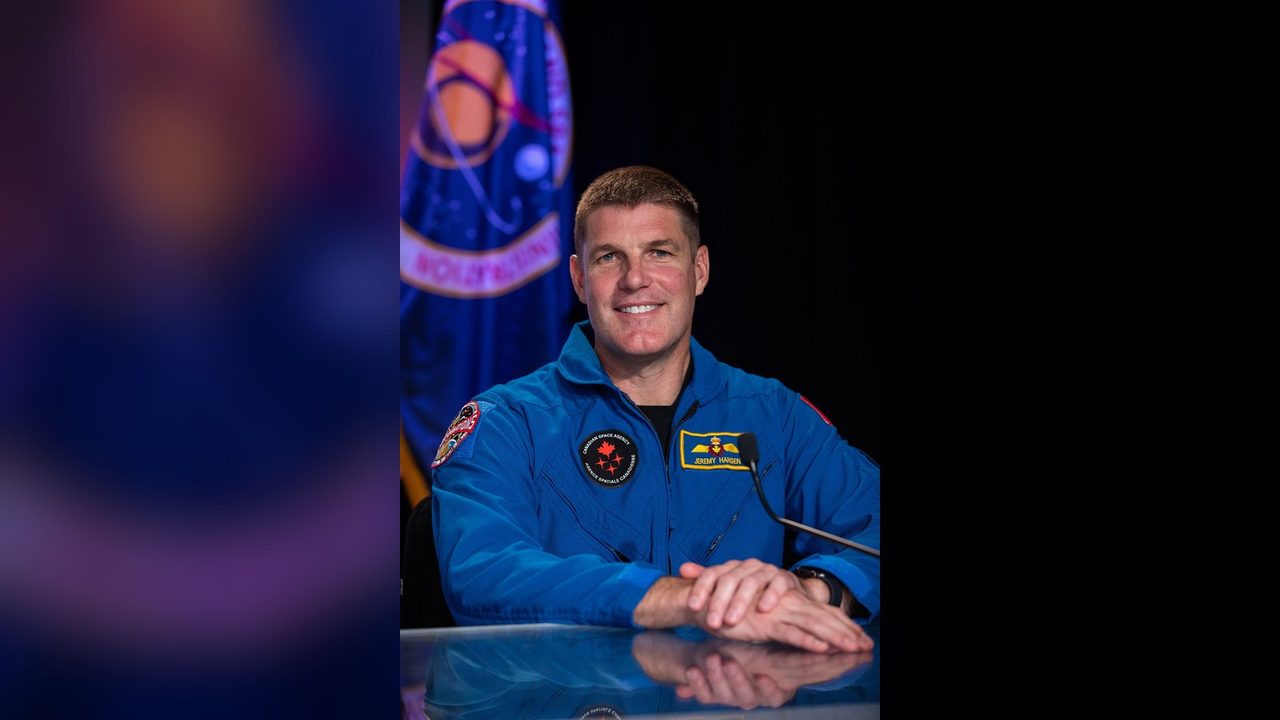
Artemis II astronaut Jeremy Hansen says the minutes when the Orion capsule plunged through the atmosphere were the riskiest moment of the mission, and that flames soon surrounded the spacecraft. Live Science published an excerpt from his new book describing the re-entry from the inside.
The four-person crew had flown more than 250,000 miles from Earth, farther than any humans had gone, and spent nine days in space before the splashdown on April 10, 2026. Live Science says the mission was the first crewed flight to the moon in more than 50 years.
Why Hansen was worried for his family, not himself
Hansen is the lone Canadian Space Agency astronaut on the crew, and it was his first time in space. According to the excerpt, from the book “Earthrise: Inside Artemis II,” which he co-wrote with John Larsen, he was not afraid for himself. He wrote that he knew his wife and three children would be among the millions watching the most dangerous part of the flight, and that he felt guilty about the stress he was putting on them.
The final steps before the plunge
Half an hour before splashdown, right after the capsule shed its European Service Module, Mission Control started a nineteen-second burn with the small thrusters built into Orion. Hansen writes that this was the only burn using those thrusters, and that it slightly shallowed the entry path to place the capsule in the right spot while adding distance from the service module. It went flawlessly, he says.
Plasma, flames and heavy G-forces
The capsule hit the atmosphere at 7:53 p.m., traveling at 24,600 mph, which Hansen puts at more than 6.2 miles per second. He describes thrusters firing almost constantly to keep the capsule stable, producing loud thuds, while G-forces built and bled off the speed gained at launch.
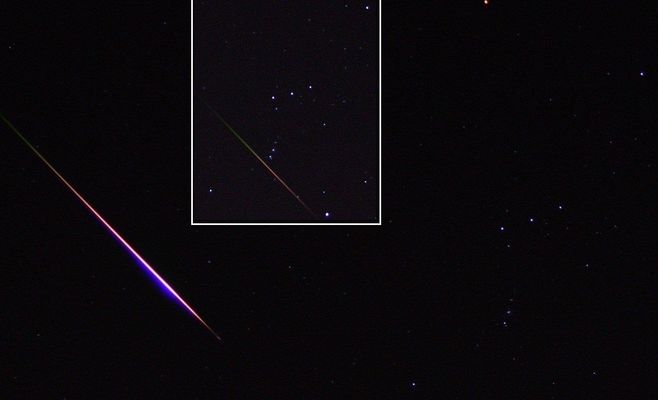
Within seconds, plasma formed outside the windows. The heat at the base of the capsule grew so intense that flames engulfed the crew, shifting from red to a pulsating bluish-green light, he wrote. He lowered his helmet visor as it looked as if a thousand camera flashes were going off inside the capsule, named Integrity.
By his account, only centimeters of heatshield and aluminum separated him from heat of more than 2500°C outside. The cabin warmed too, a rise engineers call “thermally benign,” but Hansen says he could not feel it in his thermally controlled garments. G-forces climbed to nearly four times the pressure felt on Earth, which he had already endured for more than five minutes in a NASA centrifuge trainer.
The blackout lasted a long six minutes before the flames stopped and contact with Mission Control returned at exactly 8:00 p.m. Hansen wrote that he loved every second of it.
The wait for the parachutes
Mission commander Reid Wiseman answered the first radio check, saying the crew had Houston loud and clear. Around the world, people applauded, hugged and in some cases cried. A small fleet of NASA and Air Force planes captured the descent on high-resolution cameras, and it was clear to NASA that the descent had gone well.
Hansen says that for him it was not over. He would not feel safe until the three main parachutes opened, because without them the capsule would hit the ocean at very high speed with minimal chance of survival. His wife, Catherine, later told him she had a bad feeling about the heatshield and began crying when the crew emerged from blackout, so she did not even watch for the parachutes.
Three minutes later, at an altitude of 7,100 metres, timed explosions released small chutes that pulled off the cover for two larger chutes called drogues.
Why it matters
Re-entry is the point where a spacecraft's heatshield, thrusters and parachutes all have to work, and Hansen's account shows what the crew experienced there. It also shows the human side of deep-space flight: the risk was discussed openly with families, who watched from the ground as the capsule came home.
Read next
Artemis II Crew Faced a Cabin Leak Warning Minutes Before the Moon Burn
Artemis II Astronaut Says Moon Trip Taught Him to Miss Earthlings
Artemis II Commander Feared the Crew Had Flown Too Far to Ever Return Home
Around Prague, based on reporting by Live Science
Cover photo: Kennedy Space Center / Wikimedia Commons (public domain)