SpaceX's Starship Push Could Leave NASA Without a Ride to the ISS
USD 22,01
Popular
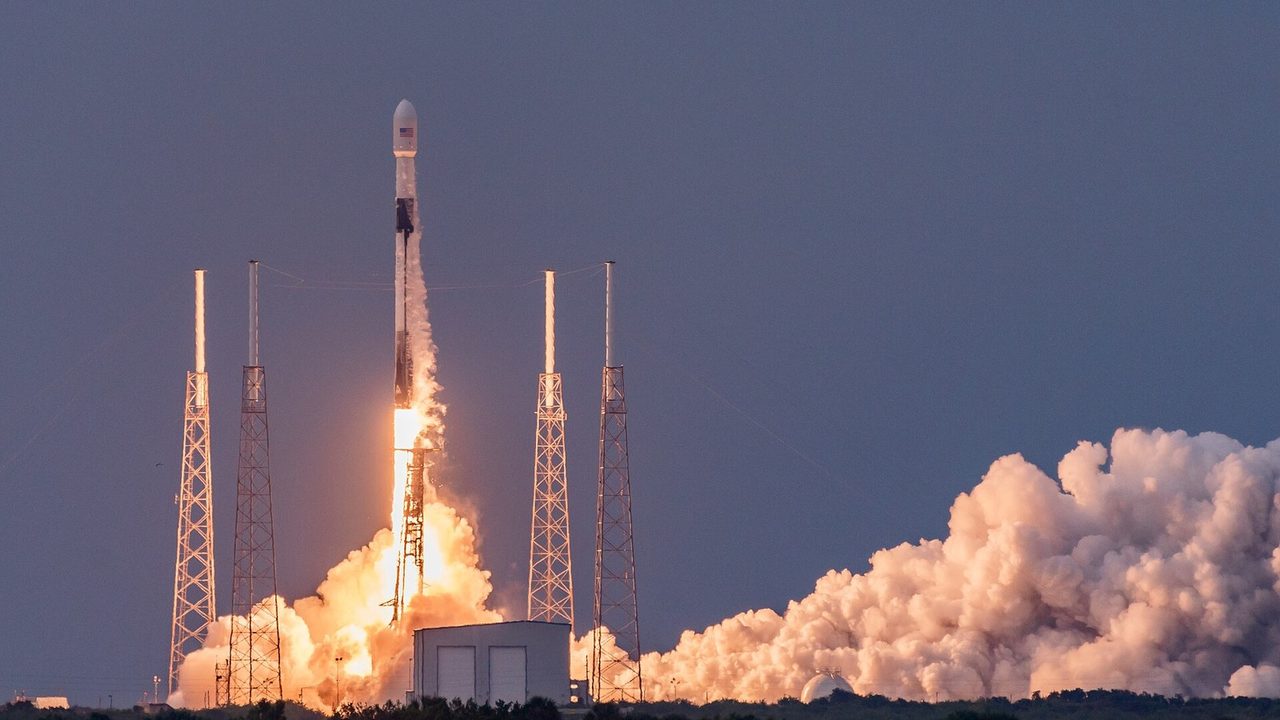
SpaceX is preparing its most ambitious test yet of Starship, its giant new rocket, and the company's own plans could leave NASA with a problem, NPR reported. As SpaceX shifts resources to Starship, it has said it will stop flying the smaller Falcon 9, the rocket that launches the Dragon capsule, currently the only American spacecraft able to carry NASA astronauts to and from the International Space Station.
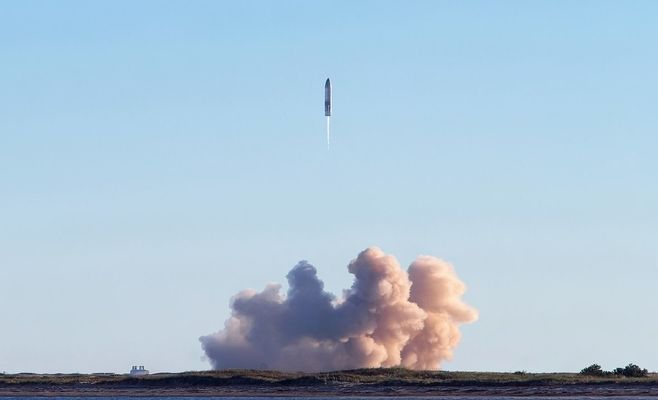
According to NPR, the test flight is meant to lift off from a pad in South Texas, circle the Earth and land vertically at the same pad 22 and a half hours later. Company founder Elon Musk has said he hopes Starship will one day take astronauts to Mars.
Why Falcon 9's retirement matters to NASA
Caleb Henry, director of research at the space-industry firm Quilty Space, told NPR that Dragon became the standard way for astronauts to reach orbit because it proved so reliable. NASA's September announcement said the agency had contracted with SpaceX for three additional flights to the station. Assuming those missions fly one after another at six-month intervals, with no further flights ordered, Dragon would be able to carry crews only through 2028. The station is scheduled to retire in 2030.
Henry also said that building space capsules is slow and expensive, and that NASA is about the only customer willing to pay for them. In his words, there is not a strong commercial market for human spaceflight today.
SpaceX has not said when Falcon 9 will end. The company did not respond to NPR's request for comment.
How the relationship flipped
NPR recalled that the roles used to be reversed. In 2008, after several Falcon 9 failures, SpaceX was close to collapse. Musk told CBS' 60 Minutes in 2014 that the company was running on fumes with almost no money, until NASA awarded a large contract days before Christmas.
For a decade afterward, NASA and later Pentagon contracts supplied a large share of SpaceX's revenue. That changed in 2020 with the launch of Starlink, a subscription satellite internet service whose income soon exceeded what the company earned from launches.
According to SpaceX's latest financial report, cited by NPR, launches brought in around $2.1 billion through September this year. Starlink earned around $12.8 billion, and the fast-growing AI business around $10.9 billion.
What SpaceX says about the shift
Starship is central to the newer, larger businesses. NPR reported that SpaceX is already using it to put the new V3 Starlink satellites into orbit, and that Musk has said he wants it to deliver data centers to space someday.
On X earlier this year, Musk wrote that once Starship flies reliably several times per week, it makes sense to move scarce engineering and production resources to it, which means winding down Falcon. SpaceX president Gwynne Shotwell said at the All In summit in Los Angeles in September that the company wants to move from older technology to newer technology. She compared a Falcon 9 with a Dragon on top to a minivan, and said a six-month road trip to Mars calls for something different.
Shotwell also suggested that Boeing could fly to the station instead, saying Boeing has been paid, she thought, more than SpaceX to develop its crew capsule.
What it means for astronauts and launch schedules
The Boeing capsule, Starliner, has had trouble throughout its development, NPR reported. In 2024, problems on its first crewed flight turned a planned eight-day mission to the station into a nine-month stay, and the astronauts came home on a SpaceX vehicle in March of the following year. The next Starliner test flight is set for this winter, with a crewed flight sometime in 2028.
The effects reach beyond human spaceflight. A recent Quilty Space analysis found that the commercial market may end up short by some 150 launches between now and 2030, and the Pentagon has reportedly been scrambling to find rides for national security satellites. The U.S. Space Force told NPR it had secured Falcon 9 launches through 2028 and was confident that other providers would fill the gap.
Tim Farrar, president of the telecom analysis firm TMF Associates, told NPR that none of this is likely to change SpaceX's mind. He said NASA missions are probably profitable for SpaceX individually but small for a company that has grown far beyond launches. He also said he hoped for some loyalty toward the agency that kept SpaceX from going bankrupt.
Read next
SpaceX Plans First Full Starship Recovery With Back-to-Back Catches on Nov. 13
SpaceX Fires All 33 Engines on Starship Booster Before Next Launch
NASA Plans Faster, Cheaper Picks for Space Science Missions: What Changes
Around Prague, based on reporting by NPR
Cover photo: U.S. Space Force photo by Joshua Conti / Wikimedia Commons (public domain)