Three Mosquito Species Each Chase Different People, Study Finds
USD 21,91
Popular
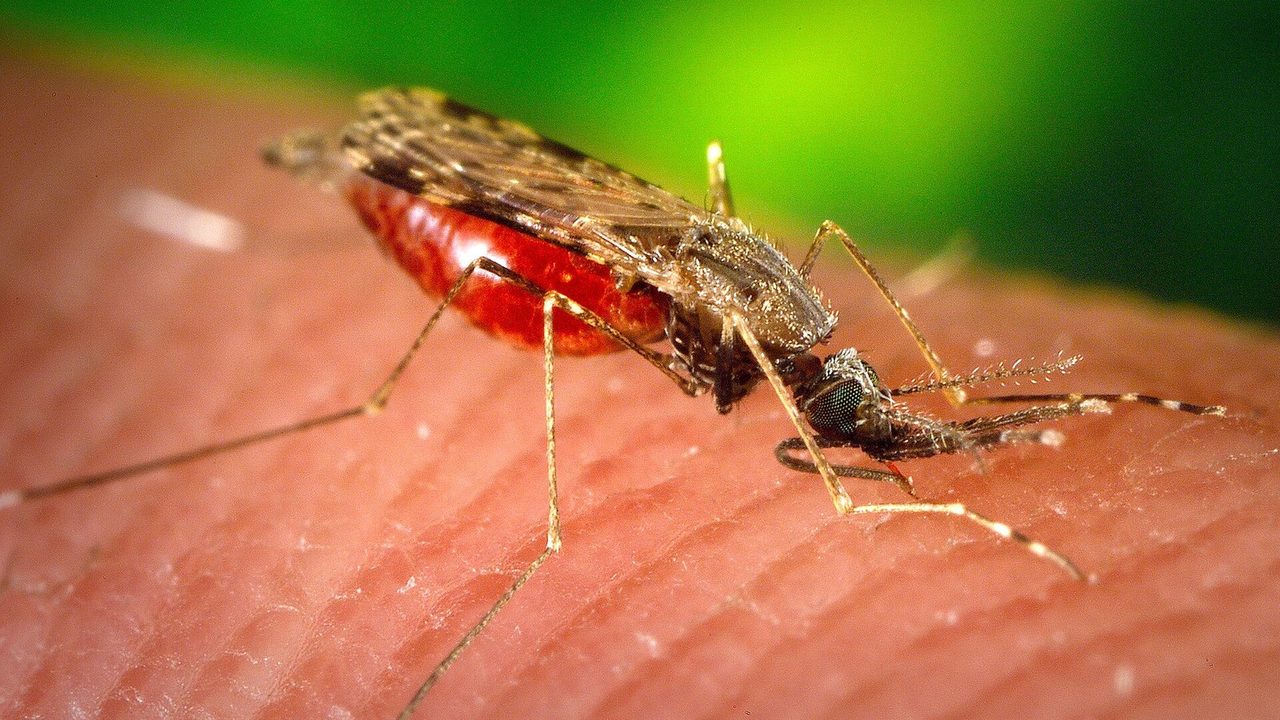
Whether you are a mosquito magnet may depend on which mosquito is biting. A new study from Florida International University found that three of the world's most dangerous mosquito species each go after a different set of people, and not one of 119 volunteers attracted all three.
The work was published in the journal iScience and was summarized by ScienceDaily. The researchers say the results challenge the idea of a universal mosquito magnet and could eventually lead to repellents aimed at specific species.
What the researchers tested
The team, led by Ph.D. student Kaylee Marrero, looked at three species that spread diseases such as yellow fever, dengue, Zika and West Nile virus: Aedes aegypti, Aedes albopictus (the Asian tiger mosquito) and Culex quinquefasciatus (the southern house mosquito). According to the university's account, it was the first study to compare directly how several mosquito species reacted to the same human participants.
Alongside the mosquito preference tests, the researchers collected samples of the volunteers' body odors and skin microbiomes, the communities of bacteria, fungi and other microorganisms that live on skin. They then measured which chemical compounds and microorganisms were present and how abundant each was.
How each species chose its targets
Each species showed its own pattern, and the preferences did not overlap in a simple way.
- Aedes aegypti favored people who were not wearing added fragrances and whose skin carried lower levels of certain volatile chemical compounds. This daytime biter also showed a slight preference for men over women.
- Aedes albopictus, another daytime feeder, was drawn to people whose skin gave off higher levels of ketones and naturally occurring plant-like volatile compounds.
- Culex quinquefasciatus, which feeds after dark, appeared especially sensitive to the skin microbiome. Some bacterial families made people more attractive, while others seemed to discourage bites.
Human skin releases a mixture of more than 1,000 volatile organic compounds, many of which scientists have not fully identified or understood. The researchers found strong links between the mosquitoes' choices and differences in the chemical and microbial makeup of people's skin.
Matthew DeGennaro, the neurogeneticist who leads the team and directs the Biomolecular Sciences Institute at the university, said the species did not share a common preference for particular individuals. In his reading, skin microbiomes define each person's odor signature, and each species found its own way to decode it. Marrero said she did not expect the species to prefer different people, and called the distinct microbial signature each one used as a cue surprising.
Why it matters for repellents and public health
For ordinary people, the practical message is that no single trait explains who gets bitten. A person who is rarely bothered by one mosquito at a summer barbecue may still be a target for another species at dusk or during the day.
The researchers say that pinpointing the specific compounds and skin bacteria that attract or discourage each species could lay the scientific groundwork for more precisely targeted repellents. DeGennaro said isolating the components of human odor that attract or repel mosquitoes could lead to new strategies against diseases spread by insects.
The findings could also help public health efforts, according to the university. Communities could focus on the particular mosquito species that spreads disease in their region, rather than assuming all mosquitoes are drawn to the same people for the same reasons.
What the study does not show
The account of the study describes the repellents as a possibility for the future, not a product that exists. The researchers say species-specific repellents could be created eventually, and no timeline was given. The reporting also does not say whether the volunteers' skin chemistry changes over time or can be altered to avoid bites, so readers should not treat the results as a guide to personal protection.
The paper's authors include Marrero, John S. Castillo, Dani Lucas-Barbosa, Anthony J. Bellantuono, Matthew A. Marrero, Dariel Cid, Andre L. Costa-da-Silva, Niels O. Verhulst and DeGennaro. It is titled “Individual humans are more attractive to certain mosquito species.”
Read next
Asteroid Mining Could Cut Platinum Prices by Over 75%, MIT Model Says
Hubble Image Shows Thousands of Stars Nearly as Old as the Universe
A Giant Planet Vanished From NASA's View, and a Hidden Neighbor Is Why
Around Prague, based on reporting by ScienceDaily
Cover photo: James Gathany, USCDCP / Wikimedia Commons (public domain)