Janov in Litvínov: a teacher on life in a socially excluded area
USD 21,62
Popular
Litvínov’s Janov is one of the best-known socially excluded neighbourhoods in Czechia, and the local school is almost entirely segregated. Residents and teacher Marián Danco told Deník.cz this as part of the “People from Hostels” series.
How Janov became a district of poverty
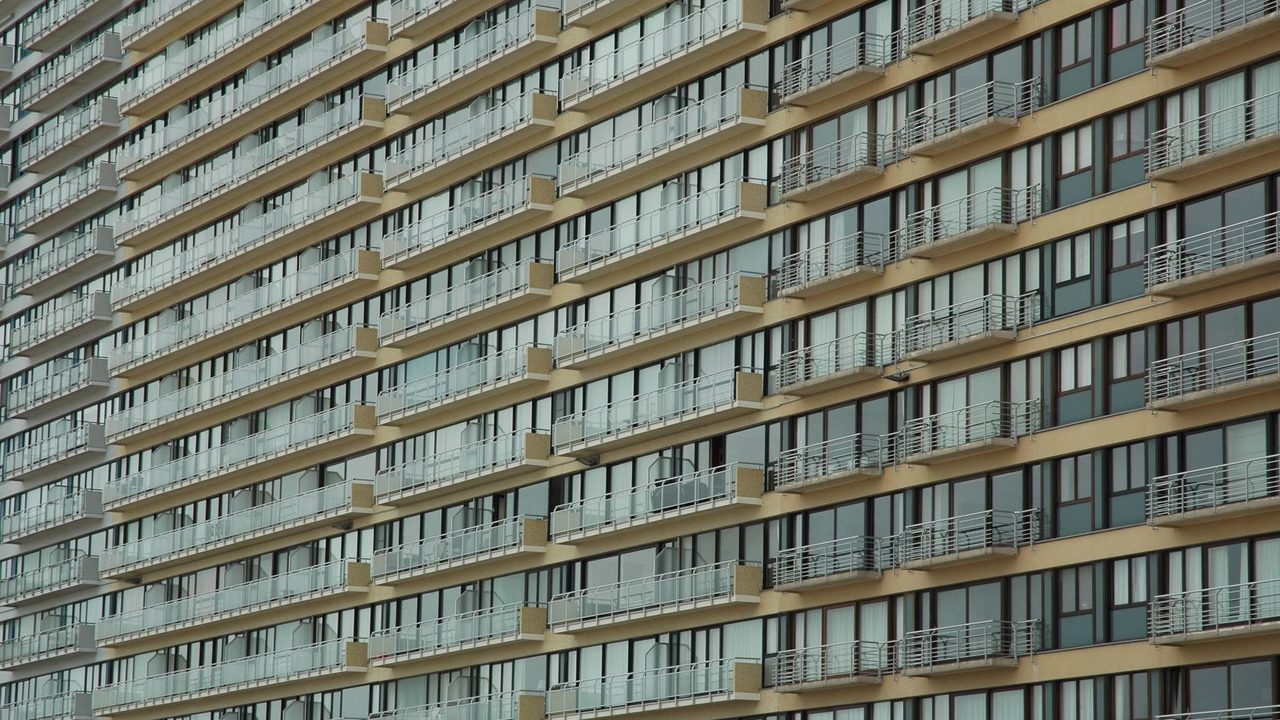
Janov was once a sought-after housing estate with large flats and waiting lists. It was built in the 1970s and 1980s in a quiet spot outside the town for workers in the mines and chemical plants. In the 1990s the region went through industrial decline, rising unemployment and the departure of some of the original residents. Private owners and “poverty traders” began buying up flats and renting them to people in difficult circumstances.
Low-income residents from various parts of the country gradually moved into Janov, leading to a concentration of poverty, debt and unemployment. In 2008 skinhead marches against local Roma took place here, and a significant share of the remaining long-term residents left the district. Flat prices collapsed again, “poverty traders” bought them up for next to nothing, and within a few months recouped their money through inflated rents.
In 2019 the Agency for Social Inclusion described the structure of owners and managers as “extremely opaque” and the poverty trade as a key mechanism for reproducing exclusion, given the shortage of social housing, discrimination on the housing market and the de facto impunity of the traders. According to the agency, the situation persists today. Some of the panel blocks have been renovated, while others are empty and awaiting demolition. The scenario is usually the same: the manager abandons a building, declares it over-indebted, the owners’ association collapses, the building is cut off from heating and hot water, and it deteriorates faster.
Deník.cz asked Litvínov’s leadership for comment. Town secretary Eva Hojdarová replied that Janov is a broad topic requiring the involvement of several departments, so a qualified answer could not be prepared in time.
A resident who came back to the district
Petr Globočník, a Green Party city councillor, was born in Janov and lived here until 2005. In 2019 he returned and bought the crumbling Villa Libuše, one of the few buildings of old Janov that survived the construction of the housing estate. He turned it into a community centre, involved local residents in the renovation, and fitted out a flat upstairs where he lives with his family.
By his assessment, the district lacks services and leisure facilities, empty buildings get in the way, and mentally ill people and repeat offenders are sometimes a problem. But life in Janov, he says, is calmer than it seems, and the Ore Mountains are two minutes from his door. He involves students from the Czech Technical University (ČVUT) in regeneration projects. In Globočník’s view, the situation is rather stagnating. He considers a more active role for the town in housing, social housing, Housing First programmes, social entrepreneurship, training workplaces and community policing to be key.
A school among empty buildings
Behind a strip of empty panel blocks stands the local school, whose fate mirrors that of the district. It used to be an ordinary school, but more and more children from socially disadvantaged backgrounds began attending, some non-Roma pupils moved to other schools, and the reputation of a “Roma school” reinforced segregation. “Today it is, with minor exceptions, a purely segregated school,” said Marián Danco, who teaches physics, German and computer science. Until this year he was deputy chair of the Government Council for Roma Minority Affairs.
The school has modern equipment, relaxation areas, ping-pong tables and a stage. But, according to the teacher, it is hard to motivate children when they see their parents’ failures. “I tell them that education is a way out of here. And they often answer that they’re fine as they are: they have branded trainers and mobile phones,” he said. Another problem is frequent moves: rents here often exceed CZK 20,000, and people often have to leave. In addition, says Danco, it is harder to find housing elsewhere if you introduce yourself on the phone as, say, Horvátová.
Danco used to push pupils towards fields ending in a school-leaving exam, but motivation was lacking. Now he first asks what they want to do for a living and then advises a direction based on their interests. He sometimes adjusts grades: “Why punish a child for what a parent failed to provide? Or when I know that this girl looks after her siblings at home and cooks?” He describes the view from the window of the ruined buildings like this: “This is where my students live. It’s cold, there are cockroaches, they don’t get enough sleep. So what am I demanding of them?”
What to do about segregated schools
According to last year’s PAQ Research study, there are more than 130 segregated schools in Czechia, and in 78 of them Roma make up more than half of the pupils. Over the past decade the picture has barely changed.
Danco suggests requiring candidates for headteacher posts at schools in excluded areas to present a strategy for gradually reducing segregation, to be developed together with the founder within six months of appointment, with the results assessed at the end of the six-year term. Without the founder’s active involvement, a headteacher will not achieve systemic change.
In Janov itself, he says, desegregation is hardly possible, but the school could become attractive in some way: for example, if it had a child psychiatrist, that would draw families from the majority too. He also believes that more student psychotherapists should be brought in for practice placements and that teachers’ salaries should be raised so that motivated educators come to such schools. “School buildings here are being renovated and a lot of money is being invested. But what about the teachers?” he asks.
Read also: Prague flats over 10 years: prices up 2.5 times — but only on paper
Source: denik.cz