Šumava tree rings reveal which Czech forests suffer the most
USD 21,65
Popular
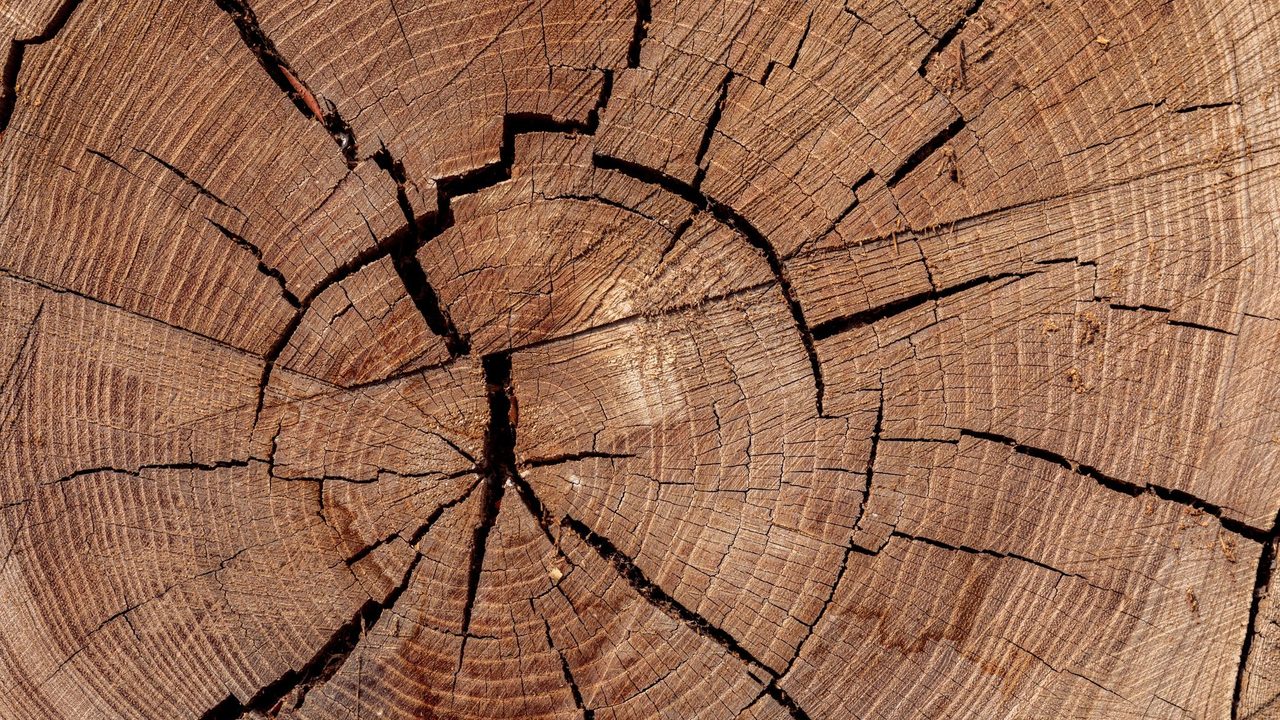
Czech scientists have analysed 7,637 tree-ring series from the best-preserved parts of the Czech and German Šumava and reached an unexpected conclusion. According to the study, natural disturbances of the forest, such as those caused by wind and bark beetles, more often affected stands at lower elevations than the mountain spruce forests on the ridges.
Almost four centuries in the wood
The surveyed sites lay at elevations of 672 to 1,453 metres above sea level. They included mountain spruce forests, mixed forests, waterlogged stands and forests on rocky scree. Some of the trees lived to be 500–600 years old.
Tree rings work as a natural archive: their width shows the conditions in which a tree grew in a given year. If neighbouring trees die and more light reaches the crown, a tree may grow faster. From a sudden widening of the rings, scientists can tell when space opened up in the forest because of wind, the European spruce bark beetle or natural ageing.
“Every tree keeps part of the forest’s history in its rings. Only by combining thousands of such records from different places do we get a complete picture of when and where major events took place. Thanks to the size of the sample, we were able to trace forest disturbances back to the early 17th century,” says Ivana Vašičková from the forest ecology department of the Landscape Research Institute, the study’s lead author.
Wind and bark beetles reinforce each other
The results show that over the past four centuries natural disturbances in the Šumava forests have grown slowly but steadily more frequent. An important role was played by the combination of strong winds and the subsequent bark beetle outbreak: the wind damaged or felled some of the trees, and the pest gained conditions in which to spread.
The events of the 1820s, the 1840s and the late 1860s, especially 1868–1870, were most visible in the rings. Together with the subsequent growth in the bark beetle population, this period is considered one of the largest in the history of all of Central Europe and, in scale, may have come close to the events at the turn of the 20th and 21st centuries. Even the strongest storms affected Šumava unevenly: in some places the forest was badly damaged, while in others it remained almost untouched.
Elevation is the deciding factor
Scientists named elevation as the main factor influencing how often disturbances occur. They were least frequent in mountain spruce forests and most frequent in mixed forests at low elevations. This partly changes the earlier assumption that the most vulnerable are the spruce forests on windy mountain ridges.
Trees at high altitude grow more slowly and lower, and can adapt better to wind load. In the milder conditions of the lowlands they grow taller, and the wind reaches their crowns sooner. It is also warmer there, which speeds up the bark beetle’s development: in a year it can produce more generations. Disturbances were also recorded more often on south and southwest slopes, where there is more sun and the microclimate is warmer.
“A forest’s vulnerability cannot be judged only by whether it is dominated by spruce, beech or fir. What decides it is a combination of many conditions: elevation, slope aspect, species composition, growth rate and the sequence of wind and bark beetle events,” explains Vašičková.
A varied forest is more resilient
The scientists found the greatest diversity of processes in natural mixed forests. If the patches are at different stages of development, a single extreme event is unlikely to affect them equally and at the same time. “A natural disturbance is not only a loss, but also an important part of forest dynamics. It helps the forest renew itself,” Vašičková adds.
The study will help to better understand the future of Central European forests. As temperatures rise and species composition changes, disturbances will be more likely above all in mixed forests at low elevations. The authors stress the importance of areas free from human intervention, where natural processes can proceed unhindered: this supports forest resilience, the preservation of biodiversity, water retention and carbon storage.
The work was carried out by specialists from the Landscape Research Institute together with scientists from the Czech University of Life Sciences Prague, Mendel University in Brno and the Bavarian Forest National Park. The research was supported by the Technology Agency and the Czech Science Foundation.
Around Prague guide on the topic: Brno: what to see and where to go
Around Prague, based on reporting by ekolist.cz