Tube strikes: eight more RMT driver walkouts planned through to February
USD 22,28
Popular
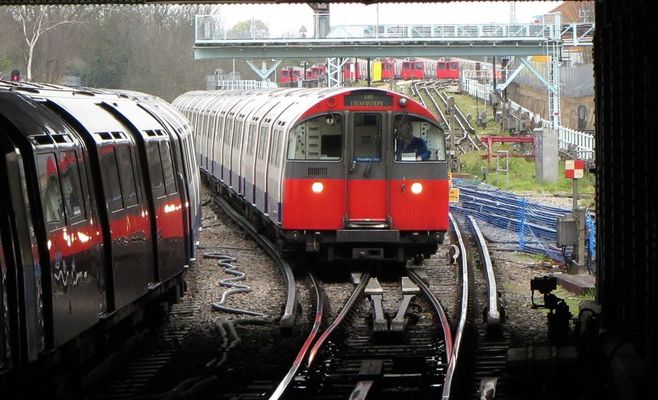
London Underground drivers who are members of the RMT union plan eight 24-hour strikes, the first starting at noon on Thursday 26 November and the last on Thursday 25 February, the BBC reported. The dispute with Transport for London (TfL) is over proposed changes to working patterns, and the walkouts are expected to disrupt every line on strike days.
Below are the dates, the expected service pattern and the arguments on each side.
When are the strikes?
Each strike is due to begin at noon on the following days:
- Thursday 26 November
- Thursday 17 December
- Saturday 19 December
- Monday 4 January
- Wednesday 6 January
- Wednesday 17 February
- Tuesday 23 February
- Thursday 25 February
The RMT previously held four days of strike action across April and June this year.
How will services run around the first strike?
According to the BBC, normal service is expected until about 10:00 GMT on Thursday 26 November, after which trains will begin to thin out. From midday some services are expected to run, but with disruption on all lines. No service is expected on the Circle or Piccadilly lines for the whole day, or on the Waterloo & City line after midday.
On Friday, services are expected to start later than normal, with disruption on all lines until around midday and continued problems through the afternoon and evening. Services should return to normal by about 18:00.
What is the dispute about?
TfL has proposed a voluntary four-day working week with condensed hours. Under the plans, most drivers' working week would fall from 36 hours to 35 hours, while contractual hours would stay the same because paid meal breaks would be introduced. In effect, drivers would work longer days but fewer days, and fewer hours overall each week.
The RMT rejected the offer. Its general secretary, Eddie Dempsey, said the union is not against a genuine four-day week but will not accept it being used to cut jobs, intensify work and erode terms and conditions. He argued the scheme is not truly voluntary, because drivers would give up existing protections and those who refuse could be moved from their depots. The union also says the longer working day risks driver fatigue and safety, and wants a 32-hour week over four days, which would mean three fewer hours each week for the same salary.
What do TfL and Aslef say?
TfL says drivers can stay on a five-day week if they wish, and that any suggestion otherwise misleads the public. It says the proposals would give drivers more time off and create a more modern, efficient Tube. Nick Dent, London Underground's director of customer operations, said TfL believes the majority of the RMT's concerns have been resolved and urged the union to put the proposal to its members.
Aslef, which represents a slightly higher share of Tube drivers, has accepted the voluntary compressed week. It says participating drivers would get an extra 35 days off a year in return for fairly minor changes to working conditions. An Aslef spokesperson said the union was "surprised that the RMT has decided to take this action". The RMT said it has a different perspective. According to the BBC, more than half of Tube drivers, including Aslef members, turned up for work during the June strike having accepted the proposals.
The mayor of London said the strikes have a "serious impact on Londoners, businesses and commuters" and called for talks between TfL and the RMT to resume. The RMT has previously said TfL refused to engage meaningfully on concerns such as fatigue and longer shifts.
What does this mean for travellers?
Only RMT drivers would walk out, which the BBC says is roughly half of all drivers on the network, so some trains are expected to run. TfL is asking customers to check before they travel and allow extra time.
June's strike gives an idea of the pattern. TfL ran no service on the Circle and Waterloo & City lines, and the Piccadilly, Metropolitan and Central lines saw major disruption, though 90% of Jubilee line services operated. Most lines had no service before 06:30 BST or after 21:00.
On the Thursday of that strike, TfL said Tube journeys fell by 40%. Other modes picked up the slack:
- Bus usage rose by 4%.
- London Overground journeys rose by 4%.
- Elizabeth line journeys rose by 18%.
- DLR journeys rose by 7%.
- Cycling rose by 22%.
- Roads were 10% busier.
The strike dates include Saturday 19 December, so weekend and pre-Christmas journeys fall within the disruption. London Underground drivers also struck in September last year over pay and conditions, when many Londoners turned to e-bikes, according to the BBC.
What happens next?
The first walkout is due to begin at noon on Thursday 26 November. Whether further talks take place before then has not been confirmed in the BBC report. Dent has urged the RMT to put TfL's proposal to its members, while the union maintains its demand for a 32-hour, four-day week.
Earlier on Around Prague: London Underground strike: Acas talks held ahead of Thursday's driver walkout
Read next
Tube strikes this week: what eight walkouts over a four-day week mean for London
London Tube strike: Acas talks end without deal, so Thursday walkout stays on
London Underground strike: Acas talks held ahead of Thursday's driver walkout
Around Prague, based on reporting by BBC
Cover photo: Tom Page from London, UK / Wikimedia Commons, CC BY-SA 2.0, cropped