What Burnham's EU food deal means for the weekly shop and supermarket prices
USD 22,36
Popular
Prime Minister Andy Burnham says the food and agriculture agreement he struck with the EU will help bring down the cost of the weekly shop. The benefits, however, will not arrive until 2028, and the retail industry's own trade body does not expect prices on shelves to fall as a result.
The deal is a sanitary and phytosanitary (SPS) agreement. According to the Evening Standard and the Mirror, it will end most post-Brexit checks and restrictions on food and agricultural products from 1 March 2028.
What the food deal changes for supermarkets
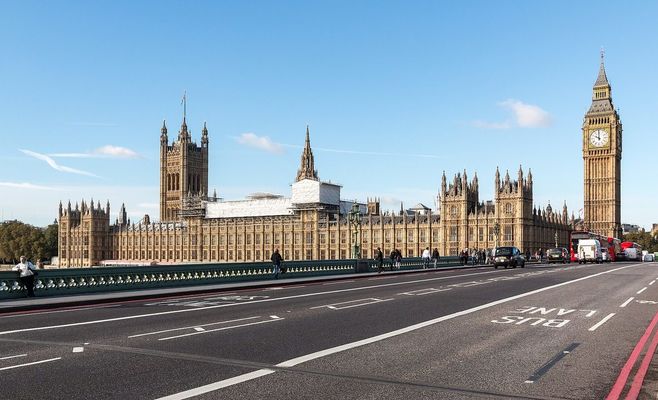
Mr Burnham agreed the SPS deal at last week's Brussels summit, alongside arrangements on emissions trading and a youth experience scheme. He was due to set out the package in a statement to MPs in the House of Commons later in the day.
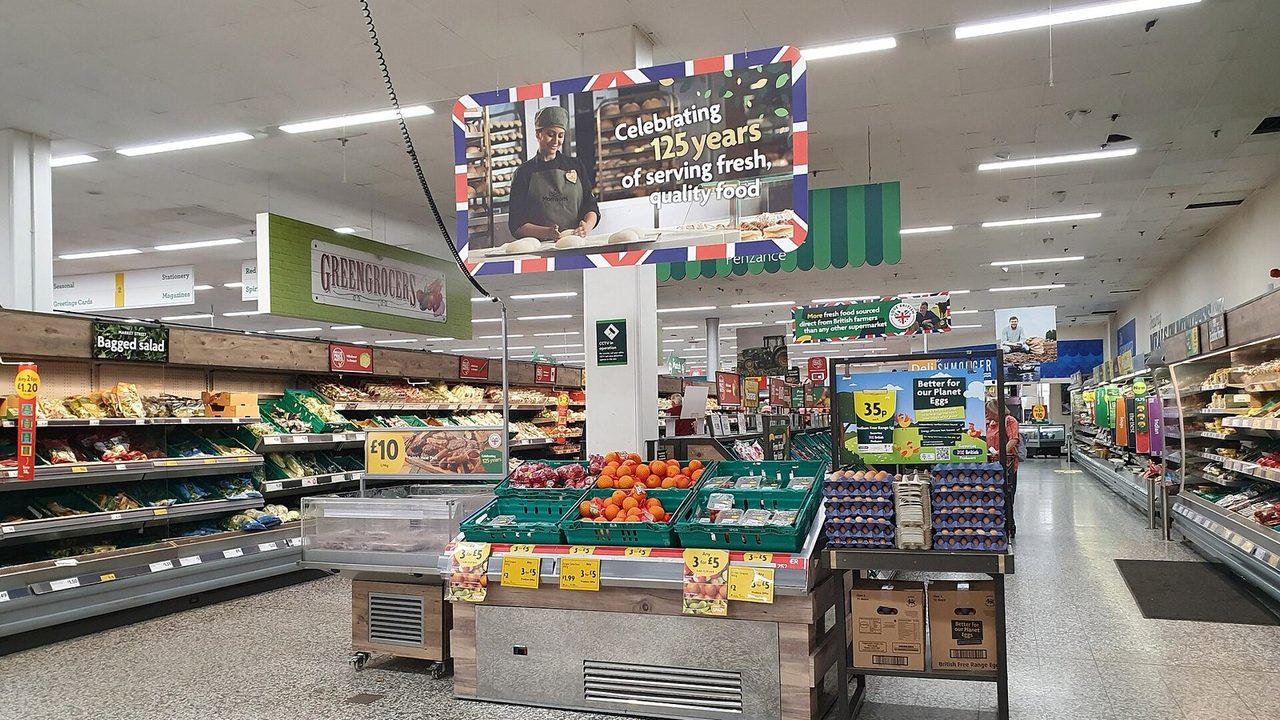
Speaking at a Morrisons distribution centre in Sittingbourne, Kent, he said the company had shown him a stack of paperwork needed to send goods to its store in Gibraltar. He argued that removing such red tape would lower costs, and that those costs are ultimately passed on to shoppers.
The Standard reported that the chief executives of Morrisons, Tesco and Asda have praised the agreement. Mr Burnham told the Mirror that Lidl and the Co-op have also said similar things.
Why it matters for your weekly shop
For shoppers, the key points are timing and certainty. The Prime Minister told the Mirror that the help "will take time to come through". He said the legislation must pass through Parliament first, and that from 2028 British businesses and consumers would begin to feel the benefits.
Asked whether he was confident supermarkets would pass savings on to customers, he answered "Yeah, of course". He argued that the market is competitive, so once one retailer cuts prices others will follow.
Not everyone shares that view. The British Retail Consortium called the deal a "big win" for UK retailers, but said it did not expect prices on supermarket shelves to fall in response. The Standard also reported that critics have questioned whether any change in costs will reach consumers. No figure has been given for how much a typical shop might change.
The row with former prime ministers
The announcement has prompted a political argument. Rishi Sunak warned that Brexit could become an all-consuming distraction for the government. Theresa May urged Mr Burnham to accept Brexit and move on, and the Standard said Boris Johnson and David Cameron have given similar warnings.
Mr Burnham rejected their advice. He said the former Conservative prime ministers were "stuck in the past" because they could not face up to what he called a bad Brexit deal. He told the Mirror they had damaged the national interest, and that the Conservatives, who he said once favoured cutting red tape and consumer costs, were now caught up in an internal Brexit debate.
The Prime Minister insisted the agreement is not a step towards rejoining the EU. He described it as a more practical and closer working relationship that would bring benefits to British businesses and consumers.
What happens next
The legislation to put the SPS agreement into effect has to pass through Parliament before the changes take hold. The end of most checks is scheduled for 1 March 2028. Mr Burnham also intends to discuss options for future ties with the EU over the next 12 months.
Read next
What the UK-EU Reset Deal Could Mean for Food Prices and Young Travelers
Andy Burnham Sets Out Conditions for Signing a New Deal With the EU
UK-EU Reset Deal: What Burnham's Brussels Agreement Changes for Young People and Trade
Around Prague, based on reporting by Evening Standard, Mirror
Cover photo: Mutney / Wikimedia Commons, CC BY 4.0, cropped