Duffy Asks for $50 Billion to Fix Air Traffic Control After Nationwide Outage
USD 22,10
Popular
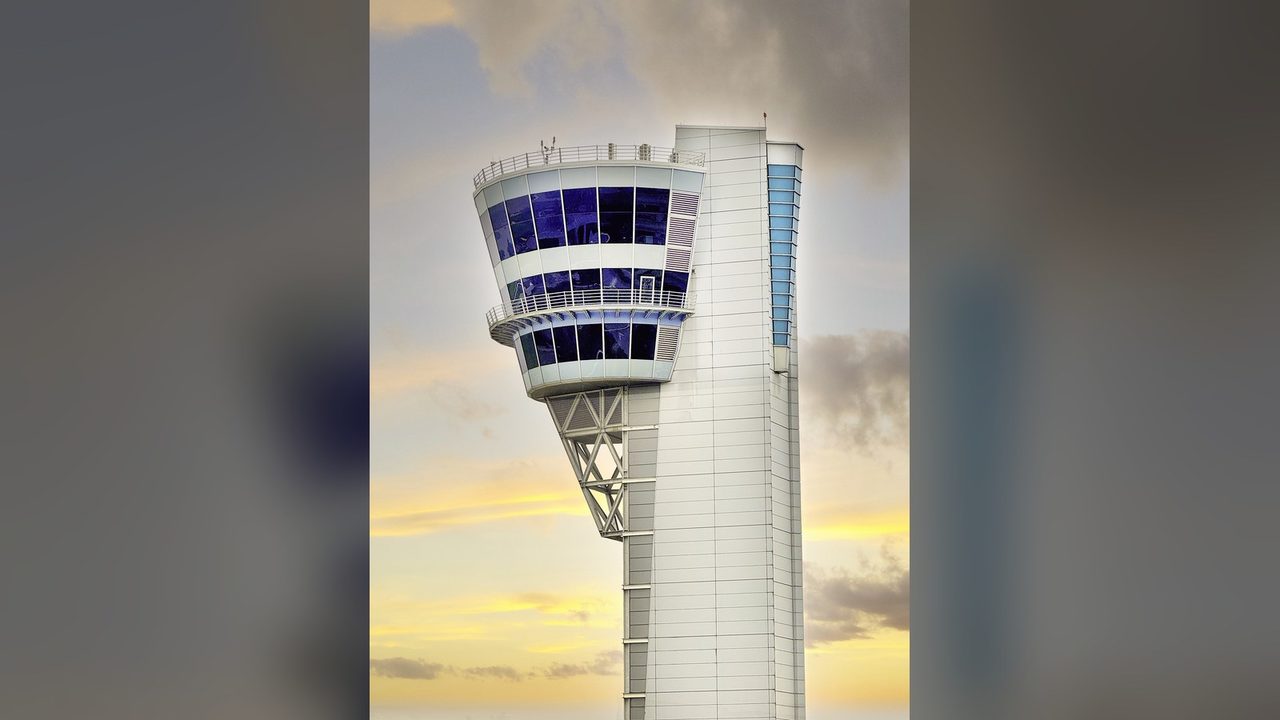
Transportation Secretary Sean Duffy is using Friday's nationwide ground stop to press Congress for more money. USA Today reported that Duffy renewed President Donald Trump's request for $30 billion to upgrade air traffic control and raised it, saying he wants $50 billion.
The FAA lifted the order on Nov. 13, but the fallout continues: airlines are still working to rebuild schedules, and analysts told Al Jazeera it could take days.
The numbers behind the disruption
- More than 4,700 flights canceled and 10,000 delayed on Friday. FlightRadar24 figures cited by Al Jazeera also show another 700 flights already canceled for Saturday.
- 827 flights diverted. Cirium counted at least that many by 7:05 p.m. ET, of which 670 returned to their departure airports and 157 landed elsewhere.
- About 11,000 flights and more than 1.5 million passengers. Cirium said that many flights were still scheduled to depart after 4 p.m. ET on Friday.
- More than 3,500 aircraft in the air when the order came. USA Today reported that fewer than 400 were flying by 8 p.m.
- $30 billion versus $50 billion. The first figure is the president's request for the air traffic control system; the second is what Duffy now says he wants.
What officials say went wrong
Duffy told reporters at the White House that the system's old analog technology was overloaded with data and that switches and routers began producing inconsistent information. According to USA Today, he said the agency began seeing instability in radar and communications at 3:36 p.m. ET and shut flights down because of it.
He said the few air traffic control centers running digital systems did not have the problem, which he argued shows why the work needs more resources. Al Jazeera reported that officials acknowledged new technology being added to the network overloaded older parts of it and caused intermittent communications and radar gaps. Duffy also said the outage was not a total loss of radar or communications.
A separate account has surfaced. CBS News, according to Mashable, reported that multiple sources described an update to the private communications network linking the control system as the trigger, causing a reboot and crash. CBS said a Florida-based company, L3Harris, operates that network. The sources do not reconcile the two explanations.
Homeland Security Secretary Markwayne Mullin said there was no indication of a hostile attack and that the public was never in danger. Mashable reported that the company behind an AI tool the FAA recently expanded said its work had no connection to the outage, and that there is no evidence of one.
Warnings that came before
Tony Stanton, a former senior executive at Australia's Civil Aviation Safety Authority, told Al Jazeera that a Government Accountability Office report published in September had flagged problems. The report highlighted aging copper cables dating to the 1960s and warned that delays in modernization could cause more disruptions. It also found that changes were often scheduled at the same time, overwhelming the system.
Duffy pointed to earlier breakdowns in New York and Newark and predicted more outages unless Congress and the public push for an upgrade.
What it means for travelers
For passengers, the effects are practical and immediate. Duffy said flights would not resume right away and that restoring the schedule will take time, with no date for a return to normal. Resuming departures depends on the availability of pilots and flight attendants.
Airlines are responding in different ways. American Airlines said it would prioritize flights to non-hub cities and international flights and expected residual delays and cancellations into Saturday. Delta said customers can change flights at no extra cost. United said many Friday evening flights were canceled while others were still expected to operate. Airports including JFK and Dulles urged travelers to confirm their flight status with their airline before heading out.
Passenger Nicholas Erdodi, who traveled from New Zealand, told Al Jazeera the lack of information was the hardest part, along with finding a hotel and covering the costs.
What happens next
Thanksgiving is on Nov. 26, and the days before it are typically some of the busiest of the year. Duffy said he expects the system to be back up and operating by the heart of that travel period. Whether Congress will act on the larger funding request has not been announced.
Earlier on Around Prague: FAA Ground Stop Is Over: What Caused the Nationwide Outage and What It Means for Your Flight
Read next
What the US air traffic shutdown means for UK travellers flying to America
Ryanair Weighs Pay Freezes and Smaller Crews as War Drives Up Jet Fuel Costs
U.S. Loses Measles Elimination Status as Cases Hit 35-Year High
Around Prague, based on reporting by Al Jazeera, USA Today, Mashable
Cover photo: Harrison Keely / Wikimedia Commons, CC BY 4.0, cropped