U.S. Loses Measles Elimination Status as Cases Hit 35-Year High
USD 22,10
Popular
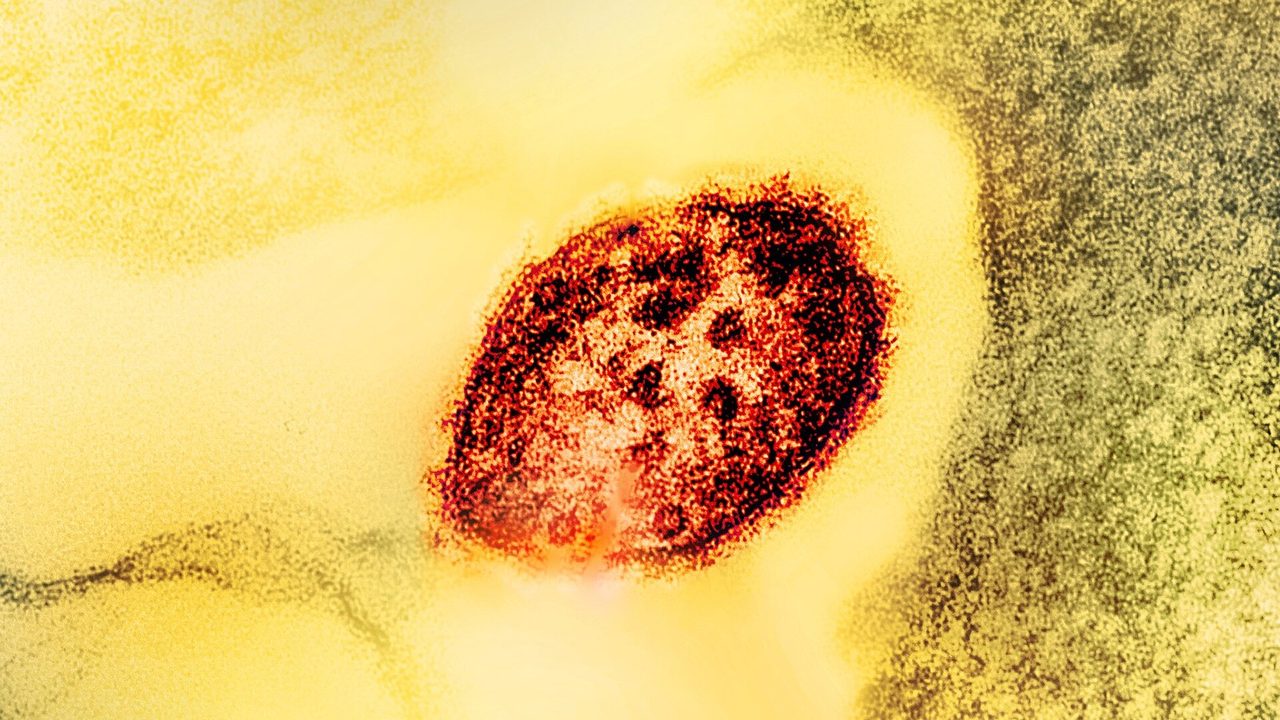
The United States has officially lost its measles elimination status, Axios reported Saturday, citing multiple news reports on a determination by the Pan American Health Organization. The group concluded that the virus has spread continuously for longer than 12 months, and this year's case count is the highest the country has recorded in 35 years.
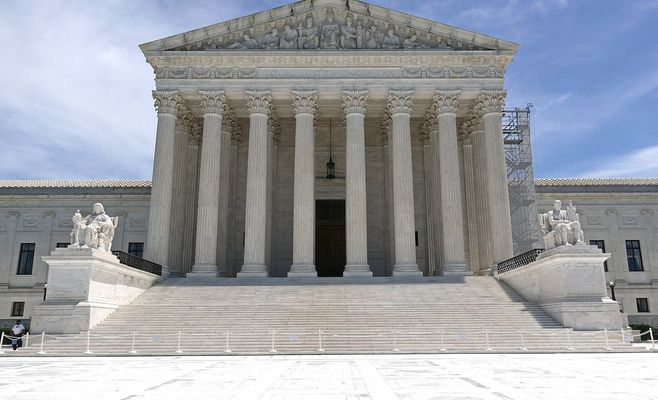
An expert panel convened by the organization reached the widely expected decision after a three-day meeting in Washington, D.C., according to Axios. Public health experts say the loss reflects a series of outbreaks that began early last year.
The key numbers behind the decision
- 5,412 confirmed cases this year: That is the latest tally from the Centers for Disease Control and Prevention, as reported by Axios.
- 2,289 cases in all of 2025: This year's total is already far above the previous year's.
- 9,643 cases in 1991: That was the last year with a higher count than this one.
- More than 1,500 cases in Pennsylvania: An outbreak there has also been linked to six measles-associated deaths.
- 1 in 5: The CDC says about one in five unvaccinated people in the U.S. who catch measles is hospitalized.
- 95%: Public health officials say vaccination rates must stay above this level to maintain herd immunity.
How a country loses elimination status
Elimination status depends on whether the same strain of measles stays in circulation for 12 months or longer without a break. Experts rely on tracking by local health departments and genetic sequencing, and they can also weigh vaccination rates and surveillance efforts, Axios reported.
Canada and the United Kingdom have both lost their own elimination status over the past year. Katelyn Jetelina, a Yale epidemiologist, told Axios the determinations are largely symbolic, but they mean the virus has become endemic and is spreading freely in pockets of unvaccinated people.
What is driving the spread
According to Axios, public health experts point to several factors: growing public skepticism about the safety and effectiveness of vaccines, distrust encouraged by federal officials such as Health Secretary Robert F. Kennedy Jr., and funding cuts for response efforts. The overwhelming majority of cases are in unvaccinated people.
Large outbreaks have struck West Texas, the Utah-Arizona border and South Carolina since early 2025. Overall vaccination rates remain relatively high, Axios said, but the virus finds room to spread where coverage is lower.
Richard Besser, president and CEO of the Robert Wood Johnson Foundation and a former acting director of the CDC, linked the resurgence to the current administration. He said it has damaged the health care system while spreading false claims about vaccines. The Infectious Diseases Society, in comments made before the decision, said it was unthinkable for people in the U.S. to be dying from measles in 2026. The group also pointed to the potential long-term toll on infants infected this year, some of whom could develop serious neurologic disease years after the initial infection.
What this means for people in the U.S.
For most people, the designation does not change a rule or a requirement. It does signal that measles is now considered established in the country rather than a series of imported cases that quickly burn out.
The risk falls most heavily on people who are not vaccinated. Axios reported that the overwhelming majority of cases are in unvaccinated people, and about 1 in 5 of those who get measles is hospitalized, according to the CDC.
Even mild cases can carry consequences. Axios noted that the virus can suppress the body's immune responses, which can leave people more susceptible to other infections and can produce long-lasting effects.
The official figures may also understate the problem. The Pennsylvania reports are widely considered an undercount, according to Axios, because testing is not widespread and mild illnesses often go unreported.
Read next
Wisconsin Infant Dies of Measles, Third U.S. Death in One Week
New York Reports First Measles Death in 30 Years: The Numbers Behind the Outbreak
Cameron urges NHS access to cheaper Alzheimer's drugs and 18-week diagnosis cap
Around Prague, based on reporting by Axios
Cover photo: NIAID / Wikimedia Commons, CC BY 2.0, cropped