US Strikes Iran's Qeshm Island as War Costs Top $47.1 Billion
USD 21,76
Popular
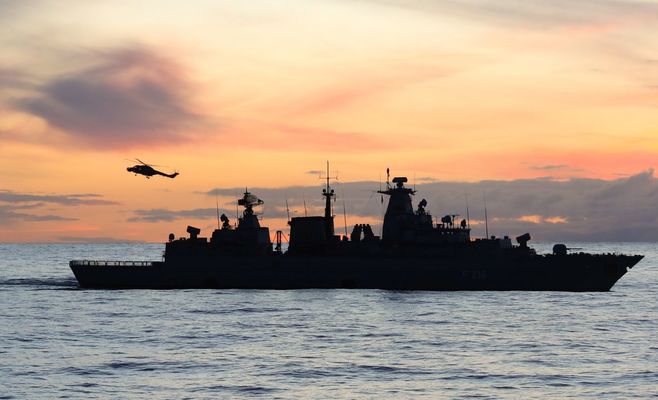
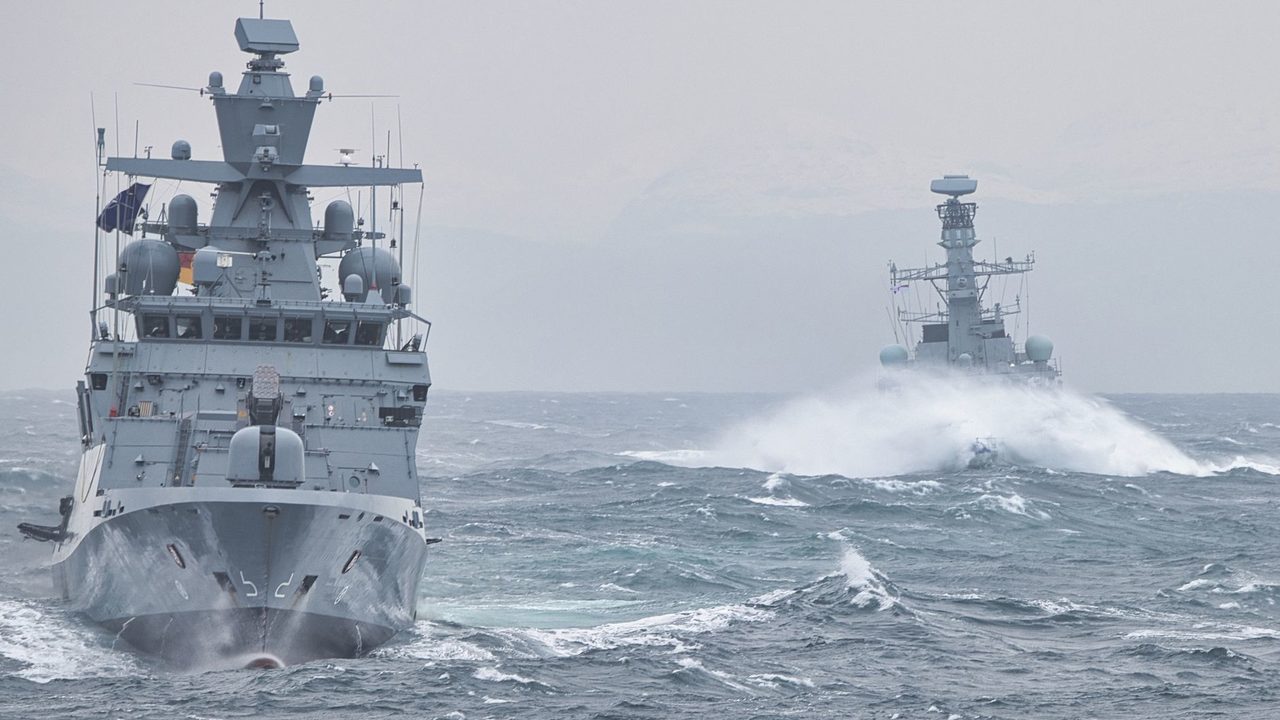
The U.S. military carried out limited strikes on Iran's Qeshm Island on Nov. 2, hours before the midterm elections, according to U.S. officials who spoke to CBS News and Radio Free Europe/Radio Liberty. The strikes came as President Donald Trump publicly played down the chances of a new large-scale war, even as the cost of the current one keeps climbing.
Three U.S. officials told CBS News the strikes were defensive. A senior official said they followed Iranian Revolutionary Guard fire at an American aircraft. The Wall Street Journal first reported the operation.
The key numbers behind the strikes and the war
- Nov. 2: the date of the Qeshm strikes, a day before the Nov. 3 midterms. Iranian state media outlet IRNA reported explosions on the island.
- Feb. 28: the date joint U.S.-Israeli strikes set off the war, which CBS News says is now in its ninth month.
- $47.1 billion: the minimum U.S. military spending on the war as of mid-October, according to a new U.S. Central Command estimate obtained by CBS News.
- $29 billion: the approximate cost of replacing spent munitions, according to the same estimate, which was given to lawmakers.
- $6.1 billion: the amount needed to replace lost equipment.
- $11.9 billion: the approximate sum of incremental costs, including support for U.S. service members. CBS News noted that the estimate leaves out damage to U.S. bases in the Middle East, many of which Iranian drones and missiles have targeted.
What happened at Qeshm
Qeshm sits at the mouth of the Strait of Hormuz, a major route for energy shipments. According to the Wall Street Journal, the island hosts a large underground missile facility, a naval base and a major desalination plant. CBS News described it as central to Iran's efforts to monitor and control commercial traffic in the waterway.
The Pentagon referred questions to Central Command. RFE/RL reported that the Qeshm strike was part of a series of limited, previously undisclosed U.S. operations in recent weeks. The Wall Street Journal, citing U.S. officials, reported that some of them were aimed at degrading Iran's ability to threaten shipping. One official said the administration kept them quiet to avoid signaling an intent to resume major combat.
RFE/RL listed earlier actions, including strikes on missile-launch sites, an attack on a dhow several days ago and a strike on a commercial vessel that tried to break the U.S. blockade of Iranian trade.
Mixed signals from Washington and Tehran
Trump has swung between talk of a deal and warnings of renewed attacks. In a Truth Social post on Monday, he said a deal "could happen." Later that night on Fox News, he said the U.S. still had to "take care of" several Iranian sites, including Pickaxe Mountain, which houses a suspected nuclear site. He called that "not a big deal," according to CBS News.
Asked by reporters whether he was considering striking Iran after the midterms, Trump said no, RFE/RL reported. Administration officials told the Wall Street Journal he was still weighing options. Those reportedly include tighter sanctions and an expanded blockade. The newspaper also reported that U.S. officials told Gulf countries to prepare for a short, intense campaign shortly after the election.
Iran's Foreign Ministry spokesman Esmail Baqaei said Monday that "the ball is in the US court" on a possible deal. On Tuesday, Deputy Foreign Minister Kazem Gharibabadi said Tehran kept the right to self-defense after the strikes. Vice President JD Vance has said talks have made progress, and CBS News reported that U.S. and Qatari mediators are brokering them.
Why it matters for U.S. readers
The war reaches American households in two main ways. The first is cost to taxpayers, with the Central Command figures showing most of the spending so far went to replacing munitions and equipment. The second is prices. CBS News reported that rising costs tied to threats to shipping in the Strait of Hormuz have contributed to sharply lower support for Trump and the Republican Party. Trump said on social media that falling oil prices reflected a growing sense that there would be no renewed war with Iran.
Analysts quoted by RFE/RL saw limited near-term risk of escalation. Brett Erickson of Obsidian Risk Advisors said the strikes were dangerous but not a significant departure from recent limited engagements, and that Iran has shown considerable restraint. Jason Brodsky of United Against Nuclear Iran said the aim was to weaken Iran's ability to harass commercial ships, not necessarily to change its decisions.
What comes next
Whether the U.S. resumes major operations after the election remains undecided publicly. Iranian officials, including Supreme Leader Mojtaba Khamenei, have warned of retaliation inside and beyond the Middle East if the conflict reignites, RFE/RL reported. According to CBS News, Israeli Prime Minister Benjamin Netanyahu pressed Trump in a weekend call for further sustained strikes, citing the Associated Press. Trump confirmed the call but did not say what was discussed.
Around Prague, based on reporting by Radio Free Europe/Radio Liberty, CBS News